Gardening Practices That Improve Plant Growth
Julian Novak September 23, 2025
Gardening has always been a cherished pastime, offering countless benefits such as fresh produce, beautiful flowers, and a sense of connection with nature. However, as environmental concerns grow and gardening technologies advance, modern gardeners are constantly seeking innovative ways to enhance plant growth while minimizing their environmental impact. In 2025, gardening practices are evolving to focus on sustainability, efficiency, and improved plant health.
In this article, we will explore the most exciting and current trends in gardening, from precision watering systems to regenerative gardening. These practices not only improve the growth and vitality of plants but also contribute to creating healthier ecosystems. Whether you’re a seasoned gardener or just starting out, adopting these trends will ensure your garden thrives year-round, all while maintaining a positive environmental impact.
1. Smart Irrigation Systems: Precision Watering for Optimal Growth
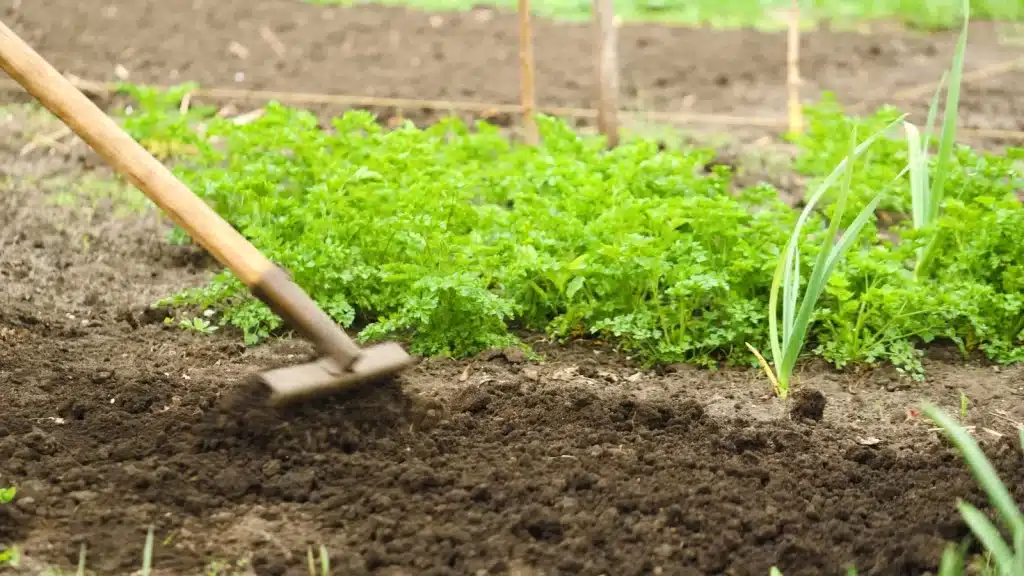
As water conservation becomes increasingly important, one of the most impactful gardening trends of 2025 is the use of smart irrigation systems. These systems rely on sensors and weather forecasts to adjust watering schedules and ensure that plants receive the precise amount of water they need at any given time. This automated process prevents the overuse of water, which is critical in areas experiencing drought or water shortages.
- Benefits of Smart Irrigation Systems:
- Water Efficiency: Saves water by tailoring watering schedules based on weather conditions, reducing excess water use.
- Healthier Plants: Ensures that plants receive consistent and adequate watering, preventing issues like root rot or dehydration.
- Reduced Maintenance: With automated systems, gardeners no longer have to manually adjust watering times.
For gardeners in regions where water is a precious resource, investing in a smart irrigation system can make a huge difference in maintaining plant health while being eco-conscious. Many systems are compatible with mobile apps, allowing gardeners to monitor and control their watering schedules remotely.
2. Composting: The Secret to Nutrient-Rich Soil
For decades, composting has been a key practice in sustainable gardening, but in 2025, it is experiencing a resurgence due to its significant environmental and soil-health benefits. Composting involves recycling organic waste like food scraps, yard trimmings, and plant material into rich, nutrient-dense compost. This organic material can then be added to soil to improve its fertility and structure.
- Benefits of Composting:
- Soil Health: Compost enriches soil by introducing microorganisms that improve its texture, making it more aerated and better at retaining moisture.
- Waste Reduction: Composting reduces the amount of organic waste sent to landfills, decreasing greenhouse gas emissions.
- Reduced Need for Chemical Fertilizers: Organic compost naturally boosts plant growth without the need for synthetic fertilizers.
To start composting, gardeners can set up a compost bin or pile in their backyard. Over time, kitchen scraps (such as fruit peels, vegetable scraps, coffee grounds) and yard waste (grass clippings, leaves) break down into dark, rich humus that can be used to nourish plants.
3. Vertical Gardening: Maximizing Small Spaces
In urban environments, where space is often limited, vertical gardening has become a popular solution for growing more plants in smaller areas. Vertical gardening involves growing plants upwards rather than outwards. This technique uses trellises, wall-mounted planters, or hydroponic systems to maximize space while providing optimal conditions for plant growth.
- Benefits of Vertical Gardening:
- Space Efficiency: Perfect for small gardens, balconies, or rooftops, allowing gardeners to grow more in less space.
- Improved Air Circulation: Elevating plants off the ground increases airflow, which can reduce disease risk and improve plant health.
- Enhanced Aesthetic Appeal: Vertical gardens can add a visually striking element to a space, whether indoors or outdoors.
Hydroponic systems, often used in vertical gardening, allow for soil-free growing, offering a clean, efficient way to produce vegetables like lettuce, herbs, and even strawberries. Many urban gardeners are now using modular systems, which are easy to set up and expand, perfect for city dwellers.
4. Regenerative Gardening: Creating a Sustainable Ecosystem
Regenerative gardening goes beyond sustainable practices—it focuses on restoring the health of the land by promoting biodiversity, improving soil health, and reducing the carbon footprint of gardening activities. This holistic approach encourages gardeners to work with nature rather than against it.
- Principles of Regenerative Gardening:
- No-Dig Gardening: By avoiding tilling, gardeners preserve soil structure and reduce the disruption of vital soil organisms.
- Cover Crops: Growing plants that protect the soil, such as clover or vetch, helps prevent erosion and adds organic matter to the soil.
- Diversity: Planting a wide range of species in the garden fosters a balanced ecosystem that supports beneficial insects and natural pest control.
Regenerative gardening techniques can lead to richer, healthier soil that requires less input and is more resilient to pests and diseases. By adopting regenerative methods, gardeners can restore and improve the land, making it more productive in the long term.
5. Plant-Based Biostimulants: Enhancing Plant Growth Naturally
The use of plant-based biostimulants is a rising trend in 2025, as more gardeners seek natural ways to boost plant health. Biostimulants are organic substances—often derived from plants, algae, or microorganisms—that enhance a plant’s growth by improving its resistance to stress, boosting nutrient absorption, and encouraging root development.
- Benefits of Plant-Based Biostimulants:
- Increased Plant Health: Enhances a plant’s resilience to environmental stressors such as drought or disease.
- Better Nutrient Uptake: Helps plants absorb nutrients more efficiently, leading to better growth.
- Environmentally Friendly: These biostimulants are natural and non-toxic, unlike synthetic fertilizers and pesticides.
In addition to traditional fertilizers, many gardeners are incorporating biostimulants into their care regimen to give plants the extra boost they need, especially during stressful growing conditions.
6. Hydroponics: The Future of Soil-Free Gardening
Hydroponics continues to grow in popularity as an alternative to traditional soil-based gardening. This method allows plants to grow in a water-based nutrient solution, providing all the essential nutrients they need without the use of soil. Hydroponics is particularly beneficial for urban gardening, where soil may be limited or contaminated.
- Benefits of Hydroponics:
- Faster Growth: Plants grown in hydroponic systems often grow faster because they have direct access to nutrients and water.
- Year-Round Growing: Hydroponics allows for year-round gardening, even in climates with cold winters.
- Efficient Use of Water and Space: Hydroponic systems use less water than traditional gardening and can be stacked vertically to maximize space.
Hydroponics can be a bit more complex to set up initially, but it’s a rewarding practice that allows for growing a wide variety of plants indoors or in small spaces.
Conclusion
The gardening practices of 2025 are ushering in an exciting era of innovation and sustainability. From smart irrigation systems that conserve water to vertical gardens that maximize space, these emerging trends are changing how we grow our plants and care for our environment. Whether you’re growing vegetables, flowers, or houseplants, embracing these new practices will help you achieve healthier, more vibrant plants while contributing to a greener world.
Gardening is no longer just about planting and watering—it’s about creating ecosystems that are self-sustaining, efficient, and beneficial to the environment. By integrating these practices into your gardening routine, you can ensure that your plants not only survive but thrive for years to come.
References
- Green, C. (2024). Sustainable gardening practices: How to create a thriving, eco-friendly garden. Available at: https://www.gardenersworld.com (Accessed: 23 September 2025)
- Johnson, R. (2025). Smart irrigation: The future of water-efficient gardening. Available at: https://www.environmentalgardeningreview.com (Accessed: 23 September 2025)
- Thompson, L. (2024). Hydroponic gardening: Growing plants without soil. Available at: https://www.urbangardeningtrends.com (Accessed: 23 September 2025)

 Wellness Routines That Support Mental Focus