The Role of Artificial Intelligence in Marketing
Leila Andersson September 18, 2025
Artificial Intelligence (AI) is no longer just a buzzword—it has become an essential tool for businesses in every industry. In marketing, AI has evolved into a powerful driver of innovation, reshaping strategies, enhancing customer engagement, and delivering personalized experiences like never before. As we move into 2025, AI is not only improving efficiency but also revolutionizing the way marketers connect with their audiences, optimize campaigns, and measure success. This article explores the significant role of AI in marketing today and the emerging trends that will shape its future.
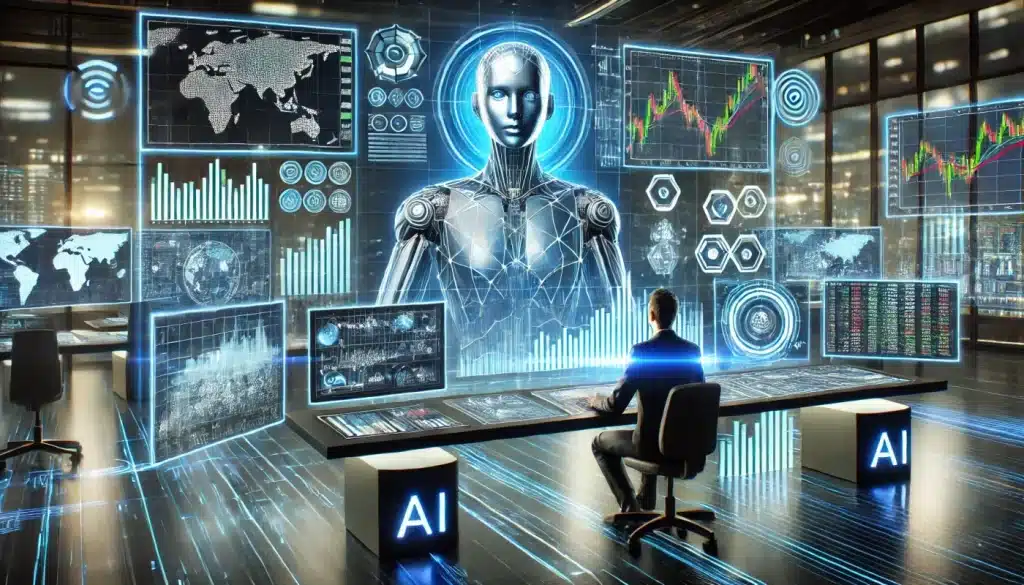
How AI Is Revolutionizing Marketing
Personalization at Scale
One of the most transformative aspects of AI in marketing is its ability to deliver personalized experiences on a massive scale. Traditional methods of personalization involved segmenting an audience into broad groups based on basic demographic information. However, AI allows marketers to go beyond these simple categorizations. AI analyzes consumer data, like purchase history and social media, to predict preferences and deliver personalized recommendations, e.g., Netflix. Similarly, Amazon’s AI algorithms suggest products based on past purchases, improving the customer experience while increasing sales. In 2025, this level of personalization will only become more sophisticated. AI will use even more granular data to create individualized experiences across all touchpoints, from email marketing to on-site interactions.
Chatbots and Customer Service Automation
AI-driven chatbots have become a staple in customer service, allowing brands to provide 24/7 support at scale. These virtual assistants can engage with customers in real-time, answering queries, resolving issues, and even facilitating purchases. Advancements in NLP allow AI chatbots, like those used by Sephora and H&M, to assist with product searches and purchases. In the future, AI will enable even more personalized interactions with customers. As chatbots become more intuitive, they’ll remember past interactions, learn from behavior, and provide contextually relevant responses.
Predictive Analytics for Campaign Optimization
Predictive analytics, powered by AI, allows marketers to anticipate future outcomes based on historical data. This powerful tool enables brands to optimize their campaigns in real time, adjusting tactics as needed to improve performance. AI models can predict which ads will resonate with specific audiences, forecast trends, and identify potential opportunities before they arise. AI tools like HubSpot and Salesforce help marketers predict leads, segment audiences, and deliver targeted, real-time content.
AI-Powered Content Creation
Content is king in marketing, and AI is now a major player in content creation. While AI cannot replace human creativity, it can assist marketers by automating certain aspects of content production. AI tools like Jasper and Copy.ai generate content quickly, maintaining quality, creativity, and optimization for engagement and SEO.
Programmatic Advertising
Programmatic advertising refers to the use of AI to buy digital ads in real time, targeting the right audience at the right time. By leveraging vast amounts of consumer data, AI determines which ads will perform best with specific segments and adjusts the bidding process in real-time. This method not only maximizes the efficiency of ad spending but also ensures that ads are delivered to the most relevant audiences, improving the likelihood of engagement and conversion. Example: Companies like The Trade Desk use AI to deliver real-time bids for ad placements across various digital platforms, ensuring that ads are shown to the most relevant users based on their browsing habits, preferences, and behaviors. As AI-driven programmatic advertising becomes more advanced, brands will be able to create more targeted and cost-effective ad campaigns, reducing waste and improving ROI.
Emerging Trends in AI and Marketing
- AI and Voice Search
The rise of voice assistants like Alexa, Siri, and Google Assistant has made voice search an essential part of digital marketing strategies. AI plays a crucial role in optimizing content for voice search by understanding conversational language and providing more accurate search results. As voice search becomes more prevalent, businesses will need to ensure their websites are optimized for voice queries, which often have different search patterns than traditional text-based searches. Example: Marketers are increasingly focusing on conversational SEO strategies, optimizing content to match the natural language used in voice searches. - AI and Augmented Reality (AR)
Augmented Reality (AR) combined with AI is an emerging trend that is creating new and exciting opportunities in marketing. AI enhances AR experiences by providing more accurate object recognition and personalized recommendations. AI and AR will enhance personalized shopping by recommending products, like makeup or furniture, based on customer preferences and behavior. - Ethical AI in Marketing
As AI continues to play a central role in marketing, there are growing concerns around privacy, transparency, and bias. Consumers are becoming more aware of how their data is being used, and brands must be transparent about their AI practices to build trust. Additionally, AI systems must be carefully monitored to ensure they do not perpetuate biases that could result in unfair or discriminatory practices. Example: Companies like IBM are leading the charge in promoting ethical AI by setting guidelines and ensuring transparency in how AI is used in marketing campaigns. In the coming years, ethical AI will become a key focus for marketers, and businesses will need to prioritize responsible AI practices to maintain consumer trust.
Challenges and Considerations
Despite the many advantages, integrating AI into marketing comes with its challenges:
- Data Privacy Concerns: The increased use of personal data to power AI-driven marketing raises significant privacy issues. Marketers must navigate complex data protection laws and ensure they are using data responsibly.
- Bias in AI: AI algorithms are only as good as the data they are trained on. Biased data can cause AI systems to perpetuate biases, resulting in inaccurate targeting and unfair marketing practices.
- Cost of Implementation: While AI can drive impressive results, the initial investment and ongoing costs can be prohibitive, especially for smaller businesses. Companies must weigh the long-term benefits against the short-term costs.
Conclusion
Artificial Intelligence is reshaping the marketing landscape in profound ways. By enabling more personalized, efficient, and data-driven strategies, AI is helping marketers better understand and connect with their audiences. By 2025, AI’s role in marketing will grow, fueled by new technologies and innovations. Marketers who embrace these changes will be well-positioned to succeed in an increasingly competitive and digital world.
References
- Hegarty, B. (2024, March 18). How AI is reshaping customer service in 2025. Forbes. Available at: https://www.forbes.com (Accessed: 18 September 2025)
- Watson, T. (2023, December 14). The future of AI in marketing: Trends to watch in 2025. Harvard Business Review. Available at: https://hbr.org (Accessed: 18 September 2025)
- Gagnon, S. (2024, January 11). How artificial intelligence is revolutionizing digital advertising. TechCrunch. Available at: https://techcrunch.com (Accessed: 18 September 2025)

 Gardening Techniques That Improve Outdoor Aesthetics