Gardening Techniques That Improve Outdoor Aesthetics
Julian Novak September 18, 2025
A beautifully designed garden can transform any outdoor space, creating a serene environment for relaxation, entertainment, or simply enjoying nature. Over the past few years, gardening has evolved with new techniques that not only enhance the beauty of outdoor areas but also promote sustainability, functionality, and wellness. Whether you are a seasoned gardening enthusiast or a beginner, implementing these modern techniques can significantly improve the aesthetics of your outdoor space.
1. Vertical Gardens: Maximizing Space with Green Walls
One of the hottest trends in modern gardening is the use of vertical gardens, also known as living walls. Gardeners create green walls by growing plants on vertical surfaces, often using specialized frameworks that support plant growth. This technique works well in urban environments with limited space and can also add an artistic element to larger gardens.
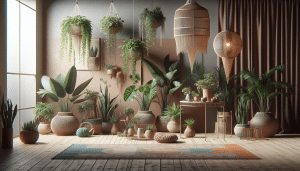
You can create vertical gardens using a wide range of plants, such as cascading vines, structured herbs, and even ornamental grasses. The choice of plants depends on the aesthetic you wish to achieve. To create a flowing, lush atmosphere, use climbing plants like ivy or wisteria for a more natural look. For a more geometric design, opt for succulents and herbs, which are also low-maintenance.
Not only do vertical gardens add visual interest and texture, but they also contribute to air purification and can provide some insulation for the home. By integrating this gardening technique into your outdoor space, you create a dynamic, living work of art that changes with the seasons.
2. Sustainable Landscaping: A Modern Approach to Eco-Friendly Gardens
Sustainability has become a priority for many homeowners looking to improve their outdoor spaces. Sustainable landscaping practices not only reduce the environmental impact of gardening but also create beautiful, low-maintenance outdoor areas. Some of the most popular sustainable gardening techniques include:
- Native Planting: Using native plants in your garden not only reduces the need for excessive watering but also supports local wildlife. Native plants are adapted to the local climate and soil conditions, meaning they require less maintenance, fertilizers, and pesticides. Additionally, they provide a habitat for birds, bees, and butterflies, which can help sustain biodiversity.
- Rain Gardens: Rain gardens are designed to collect and filter runoff from hard surfaces like driveways or patios. These gardens typically consist of plants that thrive in wet conditions and can absorb rainwater, reducing flooding while adding beauty to the garden.
- Xeriscaping: This technique focuses on creating a drought-tolerant garden by selecting plants that require minimal water. Succulents, cacti, and ornamental grasses are popular choices for xeriscaping, and they can create a stunning, low-water garden design that thrives in hot climates.
Sustainable gardening practices are not only eco-friendly but also highly aesthetic, offering beautiful landscapes that thrive with minimal intervention and contribute positively to the environment.
3. Hardscaping: Creating a Harmonious Blend of Nature and Structure
While plants are often the focal point of gardens, hardscaping elements such as pathways, patios, and retaining walls play a crucial role in enhancing outdoor aesthetics. Hardscaping is the use of non-plant materials in garden design, and when done correctly, it can complement the natural beauty of plants while providing structure and functionality.
- Natural Stone Pathways: Creating pathways from natural stone, gravel, or slate adds an earthy, rustic feel to the garden. Pathways not only guide visitors through the space but also create visual interest and allow for creative use of materials.
- Retaining Walls and Raised Beds: Retaining walls help to define areas in the garden, especially on sloped terrains. They can be built from a variety of materials, including brick, stone, or even recycled concrete, and can be designed to complement the overall garden style. Raised garden beds not only improve plant growth but also provide a clean, neat aesthetic and reduce the strain of bending over to tend to plants.
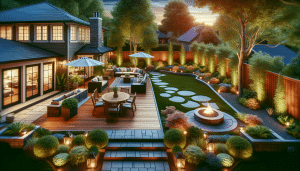
- Outdoor Living Areas: Hardscaping also includes the creation of functional outdoor living spaces. A beautifully designed patio or deck with comfortable seating, outdoor lighting, and decorative elements can turn your garden into an inviting retreat for dining, entertaining, or relaxing.
Hardscaping adds structure, texture, and dimension to your garden, making it look more polished and well-maintained while enhancing its functionality. The key to a successful hardscape design is ensuring that the elements blend seamlessly with the surrounding plants and natural features.
4. Edible Gardens: Aesthetic and Practical Gardening
Edible gardens have gained popularity as people seek to grow their own food while improving the beauty of their outdoor spaces. Combining aesthetics with practicality, edible gardens allow homeowners to cultivate fruits, vegetables, herbs, and even edible flowers in a visually appealing way. There are several techniques to integrate edible plants into a garden:
- Herb Gardens: Creating a dedicated herb garden is not only practical but also adds a fragrant and vibrant touch to the landscape. Herbs like rosemary, thyme, basil, and mint thrive in both sunny and shaded areas, and their lush foliage provides texture and color.
- Vegetable Garden Beds: Raised vegetable beds are an excellent way to grow crops such as tomatoes, lettuce, and cucumbers. These beds are often designed with clean, defined edges, which contribute to the overall aesthetic while making it easier to harvest and maintain the plants.
- Fruit Trees and Berry Bushes: Adding fruit trees and berry bushes to your garden creates visual interest and provides a seasonal bounty. These plants can be integrated into both small and large gardens, with dwarf fruit trees perfect for smaller spaces.
Edible gardens combine beauty with function, making them an excellent choice for those who want a practical, sustainable, and aesthetically pleasing outdoor space.
5. Lighting: Enhancing the Garden’s Aesthetic After Dark
Outdoor lighting is often an overlooked element in garden design, but it can significantly enhance the aesthetic appeal of your outdoor space, especially in the evening. Thoughtfully placed lights can highlight certain features, such as trees, sculptures, or water elements, and create a cozy, inviting atmosphere for outdoor entertaining.
- String Lights: String lights draped across pergolas, fences, or trees add a magical, twinkling effect to the garden. They are particularly effective for creating a warm ambiance during evening gatherings.
- Spotlights and Path Lights: Spotlights are used to illuminate focal points such as garden sculptures, fountains, or architectural features. Path lights, placed along walkways or garden edges, provide both safety and a soft glow, guiding guests through the garden while adding elegance.
Lighting not only enhances the beauty of the garden but also extends the usability of the outdoor space, making it more functional and enjoyable at night.
Conclusion
Improving the aesthetics of your outdoor space requires a balance of creativity, technique, and knowledge of the latest gardening trends. From vertical gardens that add height and texture to sustainable practices that benefit both the environment and the aesthetic appeal, these techniques allow for the creation of a visually stunning garden. Additionally, integrating hardscaping elements, edible plants, and effective lighting can elevate the garden’s beauty, making it both a sanctuary and a practical outdoor living space.
By incorporating these innovative gardening techniques, you can create a space that reflects your style, supports sustainability, and provides enjoyment for years to come. Whether you’re designing a small urban retreat or a sprawling garden, the right combination of elements will make your outdoor space a true extension of your home.
References
- “The Benefits of Vertical Gardening: A Green Revolution.” Green Living Magazine. Available at: www.greenliving.com (Accessed: 18 September 2025)
- “Native Planting: The Key to Eco-Friendly Gardens.” Sustainable Gardening Guide. Available at: www.sustainablegardens.org (Accessed: 18 September 2025)
- “Hardscaping and Landscaping: Balancing Beauty with Function.” Home Garden Design Journal. Available at: www.homegardenjournal.com (Accessed: 18 September 2025)

 Steps to Maintain Healthy Work-Life Balance