Secrets Behind Cozy Minimalist Home Design
Leila Andersson October 25, 2025
Curious how some transform small or busy rooms into serene, inviting retreats? Dive into the essentials of cozy minimalist home design. Learn why this lifestyle trend is everywhere, how it impacts well-being, and the simple strategies that make cozy minimalism accessible to all.
The Cozy Minimalist Approach Explained
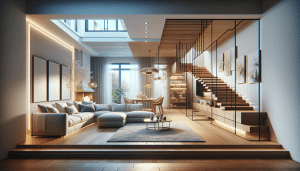
Cozy minimalist home design beautifully balances simplicity with warmth. Instead of filling every corner with décor or lavish accessories, the focus is on selecting only items that bring genuine comfort. This approach pairs typically clean lines and neutral palettes with inviting elements, like plush throws, textured cushions, and soft lighting. The intention is never starkness. Instead, it’s about curating a space where calm and personal style harmonize. Many discover that cozy minimalism isn’t about doing with less for its own sake—it’s about careful choices that promote rest and contribute to a sense of ease. Items are often multifunctional, and even storage is thoughtfully integrated, helping open up rooms visually. For anyone seeking a welcoming environment without visual overwhelm, this gentle approach offers an inspiring middle ground between traditional minimalism and maximalist trends (Source: https://www.architecturaldigest.com/story/cozy-minimalist-home-design).
Interest in cozy minimalism has grown as people spend more time at home and look for ways to reduce stress. This design philosophy encourages living with intention. Rather than filling rooms to appear finished, the guiding question becomes “Does this object serve a purpose or bring joy?” Furniture tends to feature simple silhouettes, and materials are chosen for their tactile comfort—think linen, wool, and natural wood. Plants and gentle colors can bring vibrancy and life without cluttering the senses. The overall goal is clear: to foster environments that support relaxation and mindfulness. Design experts highlight how this approach can actually help fight the feeling of chaos that arises from overcrowded interiors (Source: https://www.houzz.com/magazine/cozy-minimalism-how-to-make-it-feel-like-home-stsetivw-vs~156978776).
It’s not uncommon for people new to cozy minimalism to wonder if it will feel too sparse. However, advocates emphasize its difference from more ‘austere’ forms of minimalism. Instead of cold, empty rooms, the cozy minimalist style embraces warmth through tactile layering and keeps only the most meaningful objects visible. This can make even basic spaces feel tranquil, inviting, and highly personalized. Practical benefits include less decision fatigue, easier cleaning, and a lasting feeling of order. By centering on everyday enjoyment, cozy minimalism also encourages individuals to express personal taste in subtle, enduring ways—rather than constantly refreshing décor to meet fast-moving trends (Source: https://www.realsimple.com/home-organizing/decorating/decorating-style/cozy-minimalist-style).
Benefits of Embracing Cozy Minimalism
There are many reasons why cozy minimalist home design appeals to people of all ages. First, it can offer immediate visual relief from overstimulation. A limited, harmonious palette soothes the senses. Soft furnishings and clear surfaces create a calming atmosphere, which can help regulate mood and even encourage better sleep. Psychological research suggests that clutter can lead to increased anxiety, so crafting soothing, purposeful spaces becomes a form of self-care. Many find that after simplifying their living environment, they feel more focused, energized, and content (Source: https://www.psychologytoday.com/us/blog/two-takes-depression/202001/why-we-love-cozy-minimalism).
This design style is also highly flexible. It can suit solo dwellers in city apartments, busy families in suburban homes, and even shared spaces like dorm rooms. The adaptable nature of cozy minimalism makes it suitable for both large and compact spaces. As priorities shift over time, so can the décor—without the need for large reorganizations. Parents often note how this style makes toy and clutter management easier, while those who work from home appreciate the clarity it brings to multifunctional rooms. For renters, non-permanent tactics—such as using soft textiles and modular shelving—enable a cozy minimalist effect without renovations.
Adopting cozy minimalism may even support environmental sustainability. Emphasizing quality over quantity, individuals are encouraged to purchase items that will last and avoid single-use décor. Thrifting or selecting ethically made goods aligns neatly with the ethos of mindful consumption. This reduces waste and can save money over time. Moreover, cozy minimalism often incorporates natural materials, reused furniture, and upcycled décor, marrying sustainability with aesthetics. Over the long term, a cozy minimalist approach not only refreshes the look of a home—it ripples out, encouraging mindful purchases and conscious living in other aspects of life (Source: https://www.sustainablejungle.com/sustainable-living/cozy-minimalism).
Core Elements That Define This Style
Key elements of cozy minimalist home design include simplicity, comfort, and a sense of balance. Neutral color schemes—soft whites, beiges, gentle greys—work as backdrops for cherished decorative items and warm textures. Instead of overwhelming the eye, a single statement piece may become the focus, such as a gently curved sofa or a favorite piece of artwork. Practical storage solutions—like floating shelves or concealed cabinets—help keep spaces tidy without sacrificing style. Homeowners who adopt this technique often report that it helps shift the way they view everyday belongings, valuing function alongside beauty.
Lighting plays a huge role in enhancing cozy minimalism. Natural daylight fills the space, while lamps with soft white bulbs or dimmers build atmosphere in the evening. Reflective elements—like carefully placed mirrors—can help even compact homes feel open and inviting. Materials such as wool, rattan, and linen offer tactile pleasure and durability. Each decor choice is made with intention to create harmony rather than distraction. Minimal window treatments and unobtrusive hardware further underscore the style’s commitment to gentle sophistication. It’s a sensory experience that feels refreshing and never sterile.
Personalization remains central to the cozy minimalist philosophy. Family photographs, handmade ceramics, and heirloom accessories can shine when surrounded by visual breathing room. Even artfully placed books and plants become statements in their own right. Although the color palette is restrained, subtle variations in pattern—like herringbone rugs or pinstripe cushions—add nuanced interest. Seasoned designers often recommend rotating decorative objects rather than displaying everything at once, creating a dynamic but uncluttered look. In this way, rooms feel lived-in, yet still maintain that elusive combination of order and comfort. That’s what keeps the style so enduring.
How to Start Achieving a Cozy Minimalist Look
Starting the transformation doesn’t require a complete overhaul. Steps begin with decluttering and evaluating the necessity and emotional value of each item. Many follow the “one in, one out” rule to maintain balance—only adding new pieces as old ones are replaced or donated. Begin with simple swaps: replace busy tablecloths with neutral runners, or bulky lamps with streamlined lighting. Focus on investing in versatile furniture, such as nesting tables, ottomans with storage, or sofas with removable covers. Even small adjustments, like coordinated coffee mugs or matching planters, help reinforce the sense of calm.
Expert advice often stresses patience. Cozy minimalism isn’t a finish line, but an ongoing journey. Instead of rushing out to buy all new items, take time to experiment with arrangements. Temporarily store extras, and see how spaces feel with fewer things on display. Notice how light enters and shapes the room. If an area still feels empty, introduce warmth through knitted throws, textured cushions, or greenery. Remember: the goal is comfort and calm, not perfection. This makes the process both rewarding and deeply personal (Source: https://www.thespruce.com/cozy-minimalism-ideas-5196998).
For those on a budget, many cozy minimalist changes can be made with what’s already at hand. Rearranging furniture, changing the orientation of a room, or refreshing textile accents can yield big results. Swapping noisy wall art for one meaningful print, or grouping cherished photos together, creates visual order. Plants can add instant coziness and fresh air. Even repurposing baskets or crates as storage supports the aesthetic. Over time, as preferences and seasons shift, the space evolves. The beauty of cozy minimalism lies in its adaptability—each adjustment is just another opportunity to create comfort and meaning at home.
Common Mistakes to Avoid with Minimalist Decor
It’s easy to over-edit spaces and strip away too much of the personality. One pitfall is aiming for magazine perfection, which can result in rooms that feel empty or impersonal. Cozy minimalism is not about starkness but about striking a thoughtful balance. Overly bland color schemes may lose their inviting charm. Incorporating subtle textures, organic shapes, and tactile accessories helps avoid this. Remember, the most successful spaces evoke comfort with just a few meaningful touches rather than total absence of decoration.
Another frequent mistake is neglecting the practical aspects of daily living. Spaces should serve you, not simply look good for visitors. Prioritizing looks over function can lead to hidden clutter in unseen areas, which eventually undermines the sense of calm. Investing in clever storage—like ottomans or bench seats that open, or wall-mounted racks—keeps clutter contained. Consistent organizational habits, such as regular tidying and thoughtful item rotation, help maintain the minimalist foundation while nurturing a lived-in feel.
Some also worry about keeping up with trends. While inspiration is valuable, chasing every new look counters the very spirit of cozy minimalism. It’s better to find anchoring pieces that suit personal tastes and needs, adjusting accessories with the seasons or as moods shift. Prioritize adaptability: invest in timeless pieces and less in single-season novelties. Spaces should evolve naturally, not according to outside pressures. Trust comfort and preference above fleeting trends—a principle that has sustained cozy minimalist homes for years.
Cozy Minimalism and Well-being: The Bigger Picture
Research connects our home environments with emotional health. When rooms are cluttered or chaotic, it can lead directly to increased stress, disrupt concentration, and lower productivity. Cozy minimalist spaces support mental clarity by providing visual rest. Soft textures and warm lighting foster a nurturing ambiance, making it easier to unwind. For families or those with active households, adopting elements of this style—like soft edges, open areas, and practical storage—promotes both safety and serenity (Source: https://www.apa.org/monitor/2019/01/ce-corner-clutter).
Cultivating a cozy minimalist home can also reinforce positive habits. For instance, organized kitchens support healthy meal prep, while tidy living rooms invite longer conversations and more restful downtime. The absence of distractions helps individuals focus on mindfulness practices, such as meditation or journaling. Children benefit, too; less clutter can mean safer play spaces and more manageable routines. By designing spaces that encourage presence and engagement, the cozy minimalist lifestyle becomes a practical tool for holistic well-being.
Success in cozy minimalism is not measured by the removal of things but by the presence of comfort, order, and meaning. The ripple effect of intentional living can extend into daily habits, relationships, and even the broader community. People often discover that simplifying the home environment frees up energy for more fulfilling activities, hobbies, and meaningful connections. Over time, the home not only reflects personal values but supports the well-being and peace everyone seeks, making cozy minimalist design more than a trend—it’s a mindful way to live.
References
1. Architectural Digest. (n.d.). Cozy Minimalist Home Design. Retrieved from https://www.architecturaldigest.com/story/cozy-minimalist-home-design
2. Houzz Editorial Team. (n.d.). Cozy Minimalism: How to Make it Feel Like Home. Retrieved from https://www.houzz.com/magazine/cozy-minimalism-how-to-make-it-feel-like-home-stsetivw-vs~156978776
3. Real Simple Editors. (n.d.). How to Achieve the Cozy Minimalist Look. Retrieved from https://www.realsimple.com/home-organizing/decorating/decorating-style/cozy-minimalist-style
4. Psychology Today. (n.d.). Why We Love Cozy Minimalism. Retrieved from https://www.psychologytoday.com/us/blog/two-takes-depression/202001/why-we-love-cozy-minimalism
5. Sustainable Jungle. (n.d.). Cozy Minimalism for Sustainable Living. Retrieved from https://www.sustainablejungle.com/sustainable-living/cozy-minimalism
6. The Spruce Editors. (n.d.). Cozy Minimalism Ideas to Try at Home. Retrieved from https://www.thespruce.com/cozy-minimalism-ideas-5196998

 Secrets You Didn’t Know About Gut Health