Wellness Routines That Encourage Mindful Living
Camila Duarte September 26, 2025
In today’s always-connected world, mindfulness has shifted from a wellness trend to a lifestyle necessity. People are increasingly searching for ways to slow down, reconnect with themselves, and find balance amid the noise of work, social media, and daily responsibilities. Among the many approaches, wellness routines that encourage mindful living have gained traction for their ability to combine practicality with mental and physical health benefits.
From micro-meditation practices to the rise of digital detox days, these routines are designed not just to promote relaxation but also to build resilience in a culture that often prioritizes speed over stillness. This article explores the latest trends, evidence-backed benefits, and actionable strategies to integrate mindful living into your daily life.
Why Mindful Living Matters Now
Mindful living is more than just meditation—it’s about creating awareness in everyday actions. Whether it’s eating slowly, breathing intentionally, or setting boundaries around technology use, mindfulness helps reduce stress and improves overall well-being.
Recent research shows a significant increase in burnout and anxiety levels, particularly among younger generations balancing hybrid work, economic uncertainty, and constant digital stimulation. A 2023 survey from the American Psychological Association reported that nearly 77% of adults experience stress-related symptoms regularly, highlighting the urgent need for mindful practices (APA, 2023).
Wellness routines grounded in mindfulness are becoming a buffer against these stressors. Unlike quick-fix solutions, they provide sustainable habits that nurture mental clarity and emotional stability.
Emerging Trends in Mindful Wellness Routines
Several trends are shaping how people adopt wellness routines that encourage mindful living. These approaches make mindfulness more accessible, practical, and integrated into modern life.
1. Micro-Meditations Throughout the Day
Long meditation sessions can be intimidating for beginners. Micro-meditations—short, intentional breaks lasting one to five minutes—are gaining popularity. Apps like Headspace and Calm have even added micro-practice sessions that can be done between meetings or while commuting.
- Example practice: Close your eyes, take three deep breaths, and observe how your body feels before your next task.
- Why it works: Research shows that even brief mindfulness sessions can lower stress hormones and improve focus (Basso et al., 2019).
2. Digital Detox Routines
Mindfulness today often includes setting boundaries with technology. Digital detox routines—whether a “tech-free morning” or an entire weekend offline—are a growing trend. Influencers and thought leaders now promote “phone-free zones” in bedrooms or dining areas as part of mindful living.
- Example practice: Start the day with 30 minutes of reading or journaling before checking your phone.
- Why it works: Studies link reduced screen time with improved sleep quality and mental well-being (Twenge et al., 2021).
3. Mindful Movement Practices
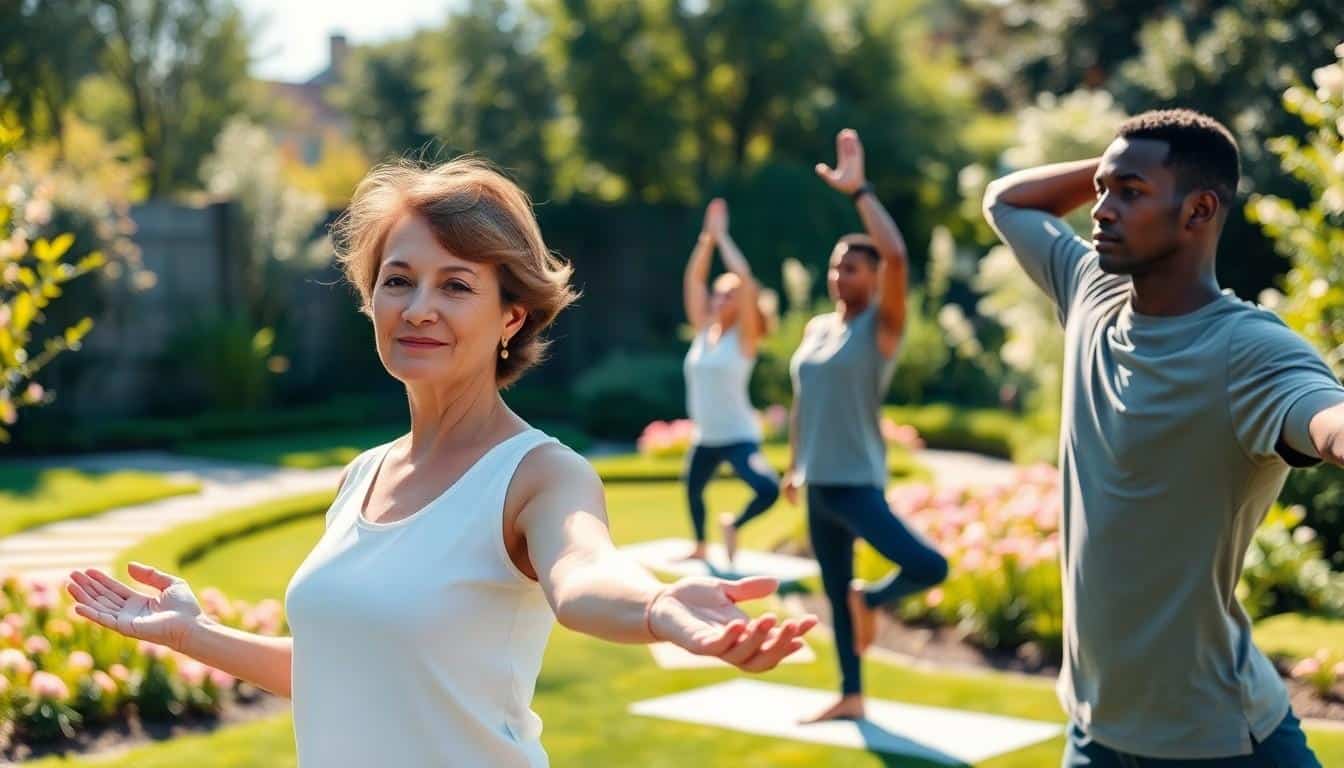
Yoga and tai chi have long been linked with mindfulness, but newer practices like mindful walking or stretching between tasks are gaining attention. These low-effort activities integrate mindfulness into daily movement without requiring formal training.
- Example practice: Take a 10-minute walk at lunchtime, focusing on the rhythm of your steps and your surroundings.
- Why it works: Physical activity combined with present-moment awareness reduces anxiety and supports cardiovascular health.
4. Breathwork as a Standalone Routine
Breathwork is evolving beyond its role in yoga. Structured breathing exercises, such as box breathing (inhale for four counts, hold for four, exhale for four, hold for four), are now part of mainstream wellness programs and workplace wellness apps.
- Example practice: Practice box breathing three times a day to reset your nervous system.
- Why it works: Controlled breathing reduces cortisol and activates the parasympathetic nervous system, enhancing relaxation.
5. Journaling with Intention
Journaling has surged in popularity on platforms like TikTok and Instagram, where “mindful journaling prompts” are widely shared. Rather than simply recording daily events, intentional journaling focuses on gratitude, reflection, and emotional processing.
- Example practice: Write three things you are grateful for at night to close the day on a mindful note.
- Why it works: Gratitude journaling is linked to improved sleep and emotional resilience (Emmons & McCullough, 2003).
Building a Daily Mindful Wellness Routine
Adopting wellness routines that encourage mindful living doesn’t require major lifestyle overhauls. Instead, small, consistent practices can gradually reshape your mindset. Here’s a practical guide to structuring a routine.
Morning Routine for Presence
- Begin with 5 minutes of mindful breathing before getting out of bed.
- Delay technology use for at least 20–30 minutes.
- Drink a glass of water slowly, noticing the temperature and taste.
Midday Reset
- Take a mindful walk or stretch break between work tasks.
- Practice one micro-meditation to refocus your mind.
- Eat lunch away from screens, paying attention to flavors and textures.
Evening Wind-Down
- Journal about the day’s highlights and challenges.
- Practice gratitude by listing three positive experiences.
- Set devices aside an hour before sleep, replacing scrolling with light reading.
How Mindful Routines Support Mental and Physical Health
Wellness routines built around mindfulness provide a wide range of benefits backed by scientific research.
- Stress Reduction: Mindfulness lowers cortisol levels, reducing the body’s stress response.
- Improved Focus: Regular practices enhance cognitive performance and attention span.
- Better Sleep: Journaling, meditation, and reduced screen time improve sleep quality.
- Emotional Resilience: Gratitude and reflection support stronger coping mechanisms.
- Physical Health: Mindful movement and breathwork contribute to cardiovascular and respiratory health.
By combining mental, emotional, and physical benefits, these routines offer a comprehensive wellness strategy suited to modern challenges.
Challenges in Practicing Mindful Routines
While the benefits are clear, many people struggle with consistency. Common obstacles include:
- Time Pressure: Busy schedules make it hard to dedicate long periods to mindfulness.
- Digital Dependency: Breaking tech habits can feel uncomfortable at first.
- Perceived Complexity: Some think mindfulness requires special training or expensive tools.
The key is to start small. Even one intentional practice per day—such as mindful breathing before bed—can create momentum for building a lasting routine.
Practical Tips for Staying Consistent
To make wellness routines that encourage mindful living sustainable, try these strategies:
- Start Small: Choose one practice, like mindful journaling, and build from there.
- Use Reminders: Set alarms or phone notifications as mindfulness cues.
- Pair with Existing Habits: Attach a mindful moment to a daily activity, such as brushing your teeth.
- Track Progress: Use a journal or app to reflect on your consistency and improvements.
- Be Flexible: Missing a day is not failure; treat it as part of the process.
The Future of Mindful Wellness
As workplace stress, digital fatigue, and lifestyle-related illnesses rise, the role of mindful living routines is only expected to grow. Companies are investing in mindfulness training, schools are incorporating it into curricula, and wellness apps continue to innovate with AI-driven personalization.
What was once considered a niche wellness activity has become a mainstream necessity. With technology and social culture aligning around the need for presence and balance, mindful wellness routines will likely remain a cornerstone of health trends in the coming decade.
Conclusion
In a world that rewards productivity and speed, cultivating wellness routines that encourage mindful living is an act of self-preservation. From micro-meditations and digital detoxes to intentional journaling and breathwork, mindful practices help people navigate modern stressors while improving mental, emotional, and physical health.
The key lies in consistency and simplicity—small, mindful habits layered into everyday life make the greatest impact over time. As mindfulness continues to shape wellness trends, integrating these routines into your daily schedule isn’t just about slowing down; it’s about living with clarity, presence, and resilience.
References
- dated References with URLs
- American Psychological Association. (2023). Stress in America 2023. American Psychological Association. Available at: https://www.apa.org (Accessed: 26 September 2025)
- Basso, J. C., McHale, A., Ende, V., Oberlin, D. J., & Suzuki, W. A. (2019). Brief, daily meditation enhances attention, memory, mood, and emotional regulation. Behavioural Brain Research, 356, 208–220. Available at: https://www.sciencedirect.com (Accessed: 26 September 2025)
- Twenge, J. M., Haidt, J., & Campbell, W. K. (2021). Associations between screen time and lower psychological well-being among children and adolescents: Evidence from a population-based study. Preventive Medicine Reports, 22, 101344. Available at: https://www.sciencedirect.com (Accessed: 26 September 2025)

 Train Travel Secrets That Shape Unforgettable Journeys