Secrets to Thriving Indoor Plants You Might Not Expect
Julian Novak October 15, 2025
Unlock the lesser-known reasons some indoor plants flourish while others struggle. Discover expert-backed strategies for light, watering, soil health, and plant choice, all optimized to boost your home’s greenery. Get tips you can use to keep peace lilies, snake plants, and more looking vibrant year-round.
Understanding Indoor Plant Needs for Long-Term Success
Many plant lovers wonder why the same species can flourish in one home but not in another. One often overlooked factor is the way indoor environments—ranging from humidity to light—affect each plant’s growth cycle. Thriving indoor plants often need more specific care than outdoor counterparts, mainly because indoor conditions can be far less predictable. Selecting adaptable peace lilies, pothos, or snake plants is only the first step; learning to tailor your care approach pays off. Even popular pothos plants vary in their response to placement, showing how copying a neighbor’s setup may fail without considering your unique indoor climate.
Light is one of the most critical elements to unlocking a healthy indoor garden, though many homeowners underestimate how variable window exposure can be. For instance, a south-facing window floods a space with direct sun, while a north-facing one may barely provide what some foliage plants require. Using artificial lights like grow lamps can help mimic the sun’s spectrum, allowing ferns and dracaena to thrive away from natural windows. It’s important to remember—plants store light energy and use it for essential growth processes, meaning that even low-light-adapted options still need consistent exposure to avoid legginess or yellowing.
A successful indoor plant setup also hinges on getting moisture and humidity levels just right. While succulents and cacti demand sparse watering, plants such as ferns, calatheas, and palms crave moisture—sometimes even needing a nearby pebble tray or humidifier to combat dry indoor air. The presented challenge is balancing frequency: overwatering is a leading cause of root rot, so testing soil before watering is a prudent step. Integrating a regular check—simply pushing your fingertip into the pot’s soil—can empower indoor gardeners to dodge hidden dangers and enjoy vibrant, healthy houseplants year-round. https://extension.umn.edu/houseplants/indoor-plants-healthy
Choosing the Right Indoor Plants for Your Space
The key to a lush living environment often starts with plant choice. Snake plants and pothos top the list not just for style, but for their ability to adapt to inconsistent lighting and humidity. Some plants, like ZZ plants and spider plants, thrive with little attention and tolerate neglect, making them ideal for busy households. For spaces with ample filtered light, consider peace lilies or monstera, celebrated for both air-purifying qualities and bold visual impact. Picking the species that matches your home’s environment can make all the difference—leading to fewer struggles and more visual delight.
Before making new plant purchases, it’s helpful to really observe your indoor conditions. Watch the way sunlight tracks through each room. A southern window may suit hungry sun-lovers, but spots farther from natural light can still foster healthy growth if plants like aglaonema or philodendron are chosen. Remember to account for temperature fluctuations, which might affect sensitive varieties. More tolerant options, such as jade plant or parlor palm, generally fare better in homes with less consistent environments. Matching plant care needs with actual living conditions is often overlooked but crucial for ongoing growth.
Another factor many overlook is safety, especially for homes with pets or young children. Some houseplant favorites, such as pothos and peace lily, can cause mild irritation if ingested. The American Society for the Prevention of Cruelty to Animals (ASPCA) provides searchable lists of safe options and those to avoid. Prioritizing pet-safe choices, like Boston fern and spider plant, allows you to enjoy greenery while keeping everyone safe. This attention to detail sets the stage for long-term indoor plant success. https://www.aspca.org/pet-care/animal-poison-control/toxic-and-non-toxic-plants
Light, Water, and Humidity: Balancing Core Elements
Adapting to your room’s natural light may be the most impactful change you make. Some plants, like snake plants and pathos, tolerate indirect light and even fluorescent bulbs. Others, such as croton or succulents, need full brightness for healthy color. Using light meters or smartphone apps can help gauge if that spot on your shelf genuinely fits your new fern or pothos. Experimenting with plant placement provides data that helps your plants settle into spaces where they naturally thrive.
Watering is just as crucial. It’s common for beginners to overwater, thinking it helps, but this often promotes disease or root rot. Each plant has a specific “thirst profile”—while ferns want dampness, succulents need their soil to dry out completely between waterings. To get it right, many gardeners set reminders or mark monthly watering calendars. Even more helpful is learning the indicators: when peace lily leaves droop or a pothos leaf curls, it’s often signaling a need for more or less water. Paying attention to these cues improves plant health in surprising ways.
Humidity is an element some households overlook. Central heating and air conditioning can leave air much drier indoors than in a plant’s natural habitat. By grouping moisture-loving plants together, you can create microclimates, or you might set up a small humidifier nearby to help orchids, calathea, or maranta thrive. Alternatively, misting leaves provides a short-term boost, though not all plants benefit from moisture on foliage—succulents and cacti prefer it dry. Understanding and adjusting to these subtle cues can truly make indoor gardening more rewarding. https://hgic.clemson.edu/factsheet/care-of-indoor-plants-in-the-home/
Soil, Drainage, and Repotting Tips for Indoor Plants
Healthy plants often begin with the right soil. Many newcomers simply use whatever potting mix is on hand, but specialized mixes for succulents, orchids, or tropical plants deliver better results. These specialized soils support optimal root development and moisture retention, preventing waterlogging that can hurt plant health. Adding perlite or bark encourages airflow, letting roots “breathe”—a secret many vibrant indoor gardens share. Checking soil quality every year can reveal nutrient depletion and help prevent slow growth or yellowing leaves.
Drainage is a second silent hero. Containers without holes risk suffocating roots, which can quickly lead to decay. Over time, even pots with drainage can suffer clogs from decomposed soil or root buildup. To avoid issues, layer a bit of gravel at the pot’s base and check for excess water after watering. If you notice water pooling or a foul smell, root health may already be affected. Flipping pots upside down between waterings or rotating them on coasters can further support even moisture distribution.
Repotting is the final piece for keeping indoor plants thriving long-term. Plants grow—and their space needs change. When roots curl up or poke from the bottom of the pot, it’s a clue more space is needed. Timing varies, but most houseplants benefit from fresh soil and a pot upgrade every one to two years. Use these opportunities to gently tease roots apart and check for any issues. Following these soil and repotting secrets will support years of leafy, healthy growth inside. https://extension.psu.edu/caring-for-indoor-plants
Common Challenges and Proactive Solutions
Even experienced gardeners encounter yellowing leaves, droopy stems, or pest problems. Spider mites and fungus gnats can appear seemingly out of nowhere, especially when conditions favor fast reproduction. Regular inspection—flipping leaves to look for webbing or spots—is critical. If pests are found, safely removing and isolating the plant is step one. Natural insecticidal soaps and sticky traps minimize risk while keeping your space safe for pets and kids. Dealing with these annoyances early keeps your entire indoor garden healthier.
Sometimes, a plant simply refuses to thrive. It’s okay to troubleshoot patiently. Many plants shed leaves as a normal response to environmental changes, but ongoing decline can indicate underwatering, low humidity, insufficient light, or root issues. Adjusting just one aspect at a time—such as moving a peace lily into brighter shade or misting ferns on dry afternoons—can reveal which need matters most. Keeping a houseplant journal helps track changes and setbacks, leading to smarter decisions in the long run.
Prevention is always more effective than cure. Sterilizing pots with warm soapy water, checking plants before buying, and quarantining new arrivals avoids spreading insects or disease. Sometimes, internet advice varies—so using resources from authoritative gardening organizations or extension services ensures current, research-driven care. The houseplants that truly thrive belong to those who stay curious, try new things, and learn from setbacks as part of the indoor gardening journey. https://www.rhs.org.uk/houseplants/problems
Tips for Creating a Vibrant Indoor Plant Display
Arranging indoor plants isn’t only about care; aesthetics matter. Grouping plants by size or texture, mixing tall snake plants with trailing pothos or clustering succulents for visual contrast, adds instant wow factor to living spaces. Even simple shelves or plant stands elevate greenery, helping air circulate and encouraging lush growth. Playing with color—mixing deep greens with variegated leaves or spots of pink and purple—turns a bland corner into a mini garden wonderland.
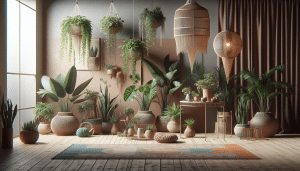
Think vertically too. Hanging planters, macrame holders, or wall-mounted pots transform even tiny apartments. These solutions make great use of unused space and often position plants for ideal light. Where floor or counter area is at a premium, try window ledges or tiered plant racks. Creative lighting—like LED spotlights or fairy lights—highlights dramatic foliage in the evening, turning plants into living art. Seeking ways to maximize display options breathes new life into every home, regardless of size.
Finally, split large plant groups into focal points around the home. Place a calming fern by a reading chair or a bold monstera at the entryway. Spreading greenery acts as both décor and air purifier, increasing wellbeing and lowering stress. Mixing practical advice with creativity ensures indoor gardening stays both satisfying and visually appealing. https://gardeningsolutions.ifas.ufl.edu/care/houseplants/index.html
References
1. University of Minnesota Extension. (n.d.). Indoor Plants: Keeping Houseplants Healthy. Retrieved from https://extension.umn.edu/houseplants/indoor-plants-healthy
2. ASPCA. (n.d.). Toxic and Non-Toxic Plants. Retrieved from https://www.aspca.org/pet-care/animal-poison-control/toxic-and-non-toxic-plants
3. Clemson University, Home & Garden Information Center. (n.d.). Care of Indoor Plants in the Home. Retrieved from https://hgic.clemson.edu/factsheet/care-of-indoor-plants-in-the-home/
4. Penn State Extension. (n.d.). Caring for Indoor Plants. Retrieved from https://extension.psu.edu/caring-for-indoor-plants
5. Royal Horticultural Society. (n.d.). Problems with Houseplants. Retrieved from https://www.rhs.org.uk/houseplants/problems
6. University of Florida, Gardening Solutions. (n.d.). Houseplants. Retrieved from https://gardeningsolutions.ifas.ufl.edu/care/houseplants/index.html

 You Won’t Believe Where Artificial Intelligence Is Taking Us Next