Easy Indoor Plants You Won’t Want to Miss
Julian Novak October 20, 2025
Looking for the perfect way to refresh your space and purify the air? Discover easy indoor plants that thrive with minimal effort. This guide explores top houseplants, low-maintenance tips, and ways to brighten your home with natural beauty, all while maximizing comfort and style.
Understanding the Benefits of Indoor Plants
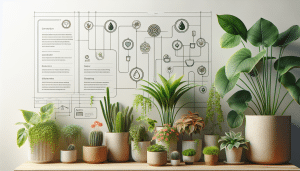
Indoor plants do more than decorate a room; they bring a range of benefits that can truly transform your living space. Many studies highlight that houseplants not only add a splash of color but also improve air quality by filtering out toxins such as formaldehyde and benzene. Peace lilies, snake plants, and pothos are known for their remarkable ability to absorb harmful compounds, all while releasing oxygen. Having greenery at home also helps reduce stress and can boost mood, making any environment feel calm and inviting.
Research suggests that surrounding yourself with foliage helps in improving concentration and productivity. This is especially valuable for those who work from home or want to create a peaceful study area for children. Spider plants, for example, thrive on windowsills and need very little attention, yet their presence can make a workspace feel more alive. Many homeowners notice a positive impact on their overall well-being after adding even a few small pots to their favorite rooms.
The act of caring for plants, such as watering or pruning leaves, can itself be a therapeutic ritual. Small moments spent touching leaves or rearranging plant pots provide a gentle mental break and contribute to a daily sense of accomplishment. For those new to plant care, starting with resilient options like philodendrons or ZZ plants can foster confidence and interest in building a personal plant collection. The versatile benefits make indoor gardening accessible and rewarding for everyone.
Choosing Low-Maintenance Indoor Plants
Finding houseplants that flourish with little upkeep is easier than most expect. Snake plants, for instance, tolerate infrequent watering and adapt well to various light conditions—ideal for busy owners or low-light rooms. Succulents like jade plants and aloe vera store water in their leaves, making them a favorite for those seeking worry-free care. These easy indoor plants also require minimal fertilizing, with only occasional feeding needed to enhance their growth.
For those who occasionally forget to water, ZZ plants and cast iron plants are nearly indestructible. Both can handle neglect, dry air, and even some missed watering sessions without fuss. Pothos, sometimes called devil’s ivy, is celebrated for its trailing vines and can recover rapidly from underwatering. With the right potting mix and occasional trimming, these resilient species ensure steady growth and lasting appeal even in beginner homes.
Some indoor gardeners look for plants that not only survive, but truly thrive with little attention. Chinese evergreens and peace lilies perform exceptionally well in lower light, making them perfect choices for rooms with few windows. They need watering only when soil feels dry, and readily signal when they require more care with dropping leaves—making them forgiving teachers for new plant parents. Over time, low-maintenance options help you gain confidence before trying more complex species.
Simple Routines for Keeping Plants Healthy
Even the easiest plants benefit from a few basic routines. Keeping a simple schedule for watering is often the key to sustained plant health. Most easy indoor plants prefer their soil to dry out between waterings; overwatering is the most common threat, so let pots drain fully after watering. Feeling the soil before each watering helps prevent root rot. Providing consistent conditions, such as keeping pots away from cold drafts or heating vents, promotes stronger growth in the long run.
Regularly cleaning plant leaves is another gentle ritual. Dust can build up and block light, so wiping leaves with a damp cloth every couple of weeks keeps them vibrant and maximizes photosynthesis. Light pruning—removing yellowed or damaged leaves—helps redirect energy to new growth, creating bushier and healthier plants. Some indoor plants appreciate being rotated every two weeks to ensure even light exposure and balanced stems.
For thriving growth, repot plants as they outgrow their containers. Signs include roots emerging from drainage holes or a plant that dries out unusually fast. Repotting provides new soil and more room for roots to grow, extending your plant’s life and beauty. Pay attention to your plants’ cues—curling leaves, slow growth, or loss of color often signal a need for change in water or light. Soon, you’ll understand what your plants are telling you and adjust your routines accordingly.
Creative Ways to Display Indoor Plants
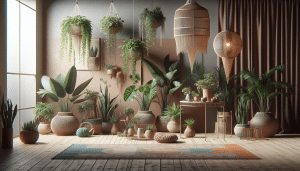
How you arrange indoor plants can transform a space just as much as the plants themselves. Grouping pots of varying heights on shelves or windowsills creates a striking, lush effect. Hanging planters or macrame holders work wonderfully for trailing varieties like pothos and string of pearls, utilizing vertical space in smaller rooms. Arranging several plants as a centerpiece on a coffee or dining table brings nature into your daily routine, making even mundane meals feel special.
Some people install floating shelves at different levels to create a living wall full of greenery. Small pots of succulents, cacti, or air plants take up minimal space while adding bursts of interest. Mixing leaf shapes and colors—pairing broad-leafed calatheas with spiky sansevieria or delicate ferns—produces wonderful texture. The right container can also make a big difference; colorful ceramics, woven baskets, and sleek minimal pots all accentuate your home’s style.
Play with lighting to highlight your favorite plants. Use LED strip lights or spotlights on darker shelves to give your greenery the boost it needs to thrive. The reflective surfaces of mirrors or glass tables help distribute light, creating the illusion of more abundant foliage. Whatever your taste, there’s a display style and plant variety to match every home and personality. Personal touches like painted pots or hand-labeled tags add charm and make plant care truly your own.
Troubleshooting Common Indoor Plant Problems
Even the most reliable houseplants may encounter issues, but many have simple solutions. Yellowing leaves, for instance, typically signal overwatering or poor drainage—simply let the soil dry out more before your next watering and check that your pots have holes. Brown leaf tips often result from low humidity or excessive fertilizer; relocating plants away from heat vents or using a humidity tray can help restore lush greenery.
Light is another key factor in healthy plant growth. Pale leaves or leggy stems usually suggest too little sunlight, while scorched marks point to overexposure. Try moving your plant closer to (or farther from) a window, or supplementing with a grow light for a gentle energy boost. If pests like spider mites or scale insects are found, gently wiping leaves with a soapy water solution can keep populations under control without chemical sprays.
Fungal issues, like white powdery patches or root rot, can arise from overly damp conditions. Ensuring containers have drainage holes and avoiding standing water are essential steps. Whenever you spot a problem, act gradually—changing one variable at a time helps pinpoint what your plant needs. With patience and careful observation, even beginners can keep houseplants happy and green year-round. Remember, every mistake is a learning step to becoming a more confident indoor gardener.
Expanding Your Indoor Garden with Propagation
Propagation is an exciting way to multiply your favorite plants and share the joy of gardening. Many beginner-friendly species, like pothos and spider plants, propagate easily from cuttings. All you need is a healthy stem, a clean cut, and a glass of fresh water or damp soil. Place the cutting in indirect light and watch as new roots begin to form in a few weeks.
Some plants, such as snake plants or succulents, can be divided or started from leaf segments. This process is straightforward and fun, making it ideal for introducing children or friends to the world of indoor gardening. Propagation is also a great way to fill empty pots or expand your collection without spending much money. Sharing home-grown plants can become a meaningful hobby and offer unique, personalized gifts for special occasions.
Successful propagation encourages patience and observation. Watch carefully for root development and signs of new growth, then move the young plants into their own pots when established. Over time, most indoor gardeners enjoy a thriving, sprawling display of plants that started from just one or two simple cuttings. The satisfaction of nurturing new life inspires continued discovery and deepens the enjoyment of indoor plant care for everyone involved.
References
1. NASA. (n.d.). Interior Landscape Plants for Indoor Air Pollution Abatement. Retrieved from https://ntrs.nasa.gov/citations/19930073077
2. Royal Horticultural Society. (n.d.). Houseplants. Retrieved from https://www.rhs.org.uk/plants/types/houseplants
3. University of Illinois Extension. (n.d.). Selecting Houseplants. Retrieved from https://extension.illinois.edu/houseplants/houseplant-selection.cfm
4. American Society for Horticultural Science. (2019). Benefits of Houseplants. Retrieved from https://journals.ashs.org/hortsci/view/journals/hortsci/54/1/article-p1.xml
5. North Carolina State University Extension. (n.d.). Indoor Plants – Common Problems. Retrieved from https://content.ces.ncsu.edu/indoor-plants-common-problems
6. University of Georgia Extension. (n.d.). Indoor Plant Propagation Techniques. Retrieved from https://extension.uga.edu/publications/detail.html?number=B1318

 Wellness Trends You’ll Want to Try at Home