Interior Design Solutions That Enhance Comfort
Julian Novak September 24, 2025
In today’s world, home has become more than just a place to live—it’s a sanctuary. People are increasingly focused on creating spaces that promote relaxation, reduce stress, and enhance well-being. One of the most exciting trends to emerge in interior design is biophilic design. This design philosophy integrates nature into the built environment, making homes more comfortable and calming.
Biophilic design can transform any space by incorporating elements that connect us to the natural world. From natural light and indoor plants to earthy textures and water features, biophilic design solutions promote a deeper connection to nature and improve physical and mental health. This article explores the most effective biophilic design solutions that can enhance comfort and create a home that feels both inviting and restorative.
What is Biophilic Design?
Biophilic design stems from the concept that humans have an intrinsic bond with nature. This connection has been shown to reduce stress, improve concentration, and increase feelings of relaxation. By incorporating natural elements, such as plants, light, and water, biophilic design helps create environments that nurture both the body and mind.
The main objective of biophilic design is to replicate the beneficial aspects of the natural world within our living spaces, making them more inviting and comfortable. While the benefits of biophilic design are well-documented, implementing these principles in your home can be a simple and enjoyable process. Let’s explore the top biophilic design solutions that can transform your space.
Top Biophilic Design Solutions for Comfort
1. Indoor Plants: Bring Nature Inside
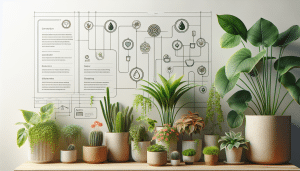
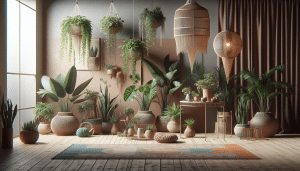
One of the simplest and most effective ways to integrate nature into your home is through indoor plants. Plants don’t just add greenery to a space—they also purify the air, boost mood, and enhance the overall comfort of a room. Here are a few popular plant choices:
- Snake plants: Excellent for improving air quality and easy to care for.
- Pothos: A low-maintenance option perfect for hanging planters or shelves.
- Ferns: These lush plants thrive in indoor environments and add a calming presence.
Indoor plants have been shown to help reduce stress and fatigue, improve air quality, and even increase productivity. To make the most of your plants, ensure they get enough sunlight and consider adding plant pots in a variety of textures to create visual interest.
2. Maximizing Natural Light: A Healthier, More Inviting Space
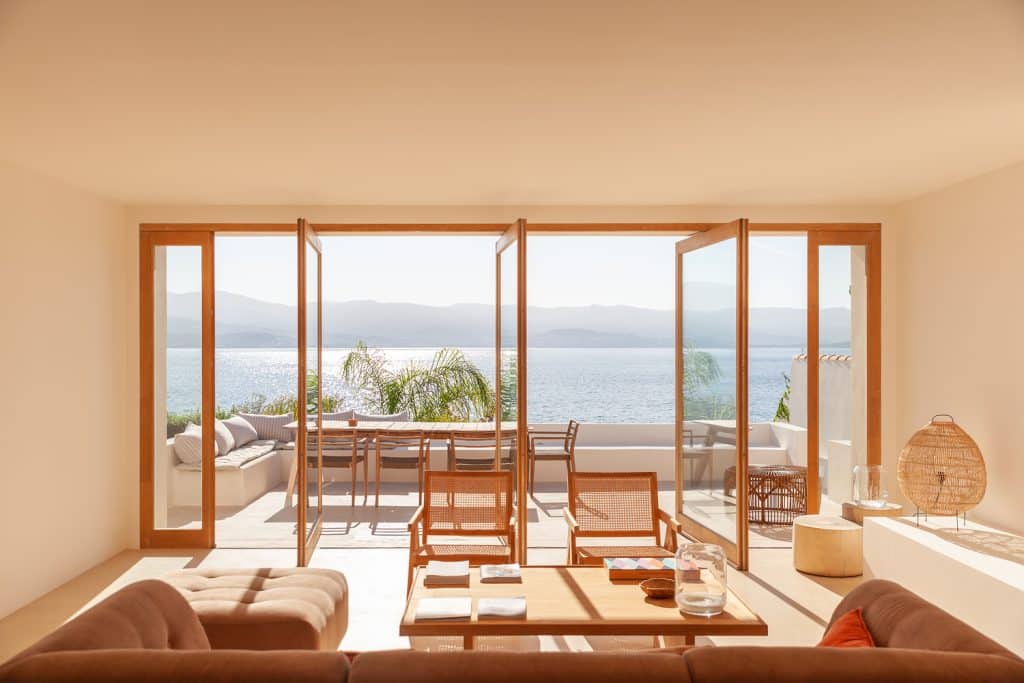
Natural light is one of the cornerstones of biophilic design. Exposure to sunlight is known to improve mood, regulate circadian rhythms, and make spaces feel larger and more comfortable. It’s a simple yet powerful way to enhance the ambiance of any room.
To maximize natural light, consider the following solutions:
- Install large windows or glass doors: This allows ample light to flow in and can make your space feel more open and airy.
- Use mirrors: Mirrors strategically placed across from windows can reflect light into darker areas of the room.
- Opt for lighter window coverings: Sheer curtains or light-colored blinds allow light to filter in while maintaining privacy.
By bringing in more natural light, you can create a warm and welcoming atmosphere that enhances the overall comfort of your home. Studies have shown that natural light can improve mental health and energy levels, helping create a positive environment.
3. Natural Materials: Textures that Promote Comfort
Natural materials, such as wood, stone, and bamboo, are integral to biophilic design because they bring warmth, texture, and a sense of calm to a space. These materials evoke a connection to the outdoors and make interiors feel grounded and organic. Here are a few ways to incorporate natural materials into your home:
- Wooden furniture: Wooden tables, chairs, and shelves add warmth and texture, making a room feel inviting and homely.
- Stone countertops: Natural stone such as marble, granite, or quartz can elevate the design of kitchens and bathrooms while adding an organic touch.
- Bamboo flooring: Bamboo is a sustainable and eco-friendly flooring option that brings nature indoors without compromising durability.
Natural materials can help create a tactile experience that enhances comfort. They contribute to a calming atmosphere, making your home feel like a sanctuary. Additionally, materials like wood have been linked to improved mood and relaxation, further enhancing the comfort of your space.
4. Water Elements: The Calming Effect of Water Features
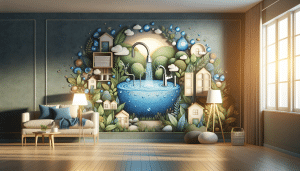
Water has a universally soothing effect, and incorporating water features into your home can significantly improve its comfort. The sound of water has been shown to reduce stress, promote relaxation, and even aid in sleep. Consider adding the following water elements to your space:
- Indoor fountains: Small tabletop fountains or floor fountains create a tranquil ambiance and bring a sense of calm to any room.
- Aquariums: A fish tank can serve as both a natural element and a decorative focal point, providing relaxation through the rhythmic motion of the water and the soothing sounds.
The gentle sound of water cascading can help drown out external noise, creating a more peaceful environment. It’s a simple way to bring a sense of nature into your home, boosting comfort and reducing stress.
5. Color Palettes Inspired by Nature
The colors we use in our homes can have a profound impact on how comfortable we feel in a space. Biophilic design encourages the use of colors found in nature to create a calming and restful environment. Some nature-inspired colors to consider are:
- Sage green: A soothing color that evokes the tranquility of forests and fields.
- Earthy browns and tans: Reminiscent of wood and soil, these colors add warmth and create a grounded feel.
- Sky blue: A light, airy color that brings the calming effects of the sky indoors.
When designing your space, use these colors on walls, furniture, or accessories to bring nature’s hues into your home. Nature-inspired color palettes not only improve comfort but also promote relaxation and mental clarity.
Practical Tips for Creating a Biophilic Home
Implementing biophilic design doesn’t require a complete overhaul of your home. Here are some simple ways to incorporate nature into your living spaces:
- Start small: If you’re new to biophilic design, begin by adding one or two plants or incorporating a natural material accent piece.
- Layer textures: Mix different natural elements such as wood, stone, and plants to create a tactile, inviting atmosphere.
- Use open shelving: Display plants, books, and natural decor items to keep the space feeling open and connected to nature.
You don’t need to make drastic changes to benefit from biophilic design—small adjustments can have a big impact on the comfort and ambiance of your home.
The Benefits of Biophilic Design
Biophilic design isn’t just about aesthetics; it’s about improving your well-being. Incorporating nature into your home can provide numerous health benefits:
- Reduced stress: Being surrounded by natural elements can help lower cortisol levels and create a calming environment.
- Improved air quality: Indoor plants can help purify the air and reduce pollutants.
- Enhanced mental clarity: Exposure to natural light and the use of natural materials can improve focus and productivity.
By embracing biophilic design, you’re not just creating a beautiful home—you’re enhancing your overall well-being.
Conclusion: Comfort in Every Corner of Your Home
Biophilic design is more than just a trend—it’s a transformative approach to creating comfortable, healthy, and calming living spaces. By incorporating elements like indoor plants, natural light, earthy textures, and water features, you can transform your home into a sanctuary that nurtures both the body and mind. These design solutions help foster a connection to nature, reduce stress, and improve overall well-being.
If you’re looking to enhance comfort in your home, biophilic design is an easy and effective way to make your living spaces more inviting and restful. Start small, explore natural elements, and create a home that truly supports your well-being.
References
- Kellert, S. R., Heerwagen, J. H., & Mador, M. (2008). Biophilic design: The theory, science, and practice of bringing buildings to life. Available at: https://www.wiley.com (Accessed: 24 September 2025)
- Kaplan, R., & Kaplan, S. (1989). The experience of nature: A psychological perspective. Available at: https://www.cambridge.org (Accessed: 24 September 2025)
- Benfield, J. A., Tigris, S., & Gaffin, S. R. (2014). The impact of biophilic design on well-being: A review of the evidence. Available at: https://ehp.niehs.nih.gov (Accessed: 24 September 2025)

 Financial Strategies That Support Long-Term Stability