Easy Ways You Can Transform Small Outdoor Spaces
Julian Novak October 27, 2025
Unlock practical ideas to elevate your small outdoor spaces into lush retreats. This guide covers container gardening, vertical planting, space-saving furniture, and more to boost function and beauty right at home. Learn how small changes outdoors can refresh your entire living experience.
Understanding Small Space Gardening Benefits
Many people think a lack of space means a lack of potential for gardening and relaxation, but even the smallest balcony or patio can become a personal oasis. Small space gardening brings unique rewards, such as reduced maintenance and the opportunity to experiment with creative layouts. Even if your outdoor area is just a windowsill or a patch of concrete, thoughtful design and container selection can help you cultivate greenery and color. Urban dwellers especially find that transforming these compact areas supports overall well-being. Research suggests that proximity to plants—even in limited outdoor spaces—reduces stress and increases happiness by bringing a piece of nature close to home (https://www.ncbi.nlm.nih.gov/pmc/articles/PMC4419447/).
The benefits extend beyond aesthetics. Small space gardening can lead to fresher air, local produce, and increased biodiversity. Homeowners and renters alike appreciate the accessibility of growing herbs, vegetables, or pollinator-friendly flowers close at hand. Compact spaces require less water and fertilizer than large gardens—making them sustainable on many fronts. Container gardens often allow for more control over soil conditions, sunlight, and watering schedules, which is ideal for beginners or those with limited time.
The act of designing and tending a garden, even on a small scale, can be therapeutic. The National Institutes of Health identifies gardening as a physical activity that supports mental clarity and physical health (https://www.nih.gov/news-events/nih-research-matters/gardening-health-benefits). As you add greenery to your own corner, the growing sense of pride and accomplishment emerges, proving that size is no barrier to enjoying the many advantages of outdoor living.
Container Gardening Ideas for Every Home
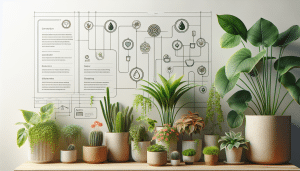
Container gardening opens up possibilities for those with patios, balconies, or even front doorsteps. Selecting pots and planters lets you personalize your space. Consider materials like clay, resin, or recycled plastic depending on durability and look. From small succulent arrangements to vibrant annuals in window boxes, container gardens allow mixing and matching based on sunlight and climate. Using lightweight, portable containers makes it easy to move plants as conditions change through the seasons. Some gardeners upcycle unusual items like wooden crates or old boots for quirky, functional planters.
Herbs such as basil, parsley, mint, and thyme thrive in pots and provide the added bonus of fresh ingredients for cooking. Edible flowers like nasturtiums or violas lend color and are known to attract pollinators. Small-rooted vegetables, including lettuce and radishes, are also compatible with confined spaces. Choosing the right potting mix is important for moisture retention and healthy roots. Adding slow-release organic fertilizer ensures plants receive nutrients consistently across growing cycles.
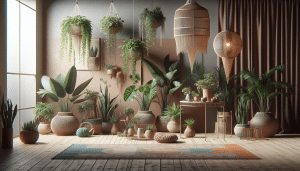
Container gardening isn’t only about what grows above ground. Layering pots for depth or placing them at various heights on shelves can maximize square footage. Consider a drip irrigation system or self-watering containers to simplify care, especially in warmer climates. With some planning, almost any plant can be adapted to a container environment, giving creative control over your home’s smallest nooks.
Creative Vertical Gardening Solutions
When floor space is limited, growing up becomes a smart choice. Vertical gardening uses walls, trellises, or hanging structures to increase the usable gardening area and add visual dimension. Pocket planters, stacked shelves, and suspended baskets allow for layers of greenery on a single wall. Such solutions are ideal for trailing plants like pothos, string of pearls, or decorative ivies that create a lush effect with minimal ground space.
Vertical vegetable gardening can be achieved with climbing beans, peas, or cherry tomatoes grown on mesh or wire frameworks. These methods not only maximize production per square foot but also promote airflow and sunlight exposure, reducing pest and disease risks. DIY enthusiasts can craft living wall art or incorporate upcycled pallets as plant holders, infusing patios with personality and utility. Modular systems are available for easy setup on balconies or fences, ensuring everyone has access to greenery (https://extension.psu.edu/vertical-gardening).
Self-watering wall planters and hydroponic towers are gaining popularity among those who want low-maintenance, high-impact results. These options simplify plant care while keeping the footprint small. Vertical gardens can help cool brick or concrete surfaces, create privacy screens, and act as natural noise barriers—all desirable features in urban outdoor spaces.
Utilizing Space-Saving Outdoor Furniture
Choosing multi-functional or stackable furniture transforms tight patios into inviting retreats. Folding café tables, nesting chairs, and built-in benches conserve space without sacrificing comfort. Lightweight materials like aluminum, resin, or weather-treated wood are practical for easy storage and movement. Adding cushions and throws in weather-resistant fabrics creates a cozy ambiance and allows easy color updates for seasonal changes.
When planning the layout, consider creating zones with different functions. For example, a slim bistro set suits morning coffee chats, while modular sofas can host gatherings. Storage benches double as seating and keep gardening supplies or cushions tidy. Hanging hammocks or folding swing chairs maximize relaxation without consuming floor space. Many garden designers recommend modular or movable elements so the area adapts for solo retreat or entertaining friends depending on the occasion (https://www.rhs.org.uk/garden-inspiration/small-gardens).
Outdoor rugs, lanterns, and string lighting further define the space, prolonging evening use and enhancing the atmosphere. Compact bar carts or grill stations add functionality for those who love dining outside. The key is flexible design—investing in portable and durable pieces that cater to your habits and changing weather conditions. Small details reflect personality and transform even the tiniest al fresco corner into a cherished living space.
Incorporating Lighting and Water Features
Thoughtfully placed lighting gives any garden area a magical feel after dark. Solar-powered stake lights and string lights require no wiring and are easy to install, making them perfect for renters or those on a budget. Uplighting can highlight plant forms, while lanterns offer a gentle, welcoming glow. Lighting also encourages safe nighttime use and helps spotlight favorite features or pathways.
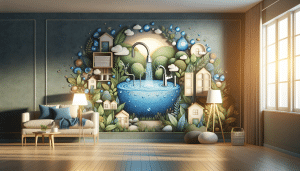
Adding a small fountain, birdbath, or recirculating water bowl creates soothing sounds and supports local wildlife. Compact water features fit even on small decks or balconies, and their gentle bubbling helps create a sense of tranquility. Water features also attract pollinators and garden-friendly insects, fostering a mini-ecosystem. Maintenance is usually straightforward and can be accomplished with battery-operated or plug-in options for flexibility.
Combining lighting with water features allows for safe, serene enjoyment well into the evening. Strategic placement emphasizes landscaping and directs attention to focal points. The ambiance of softly illuminated water transforms outdoor spaces into inviting sanctuaries, soothing city noise and stress. These enhancements boost curb appeal and personal satisfaction from your garden, whatever its size.
Tips for Sustainable and Low-Maintenance Design
Sustainable garden design considers not just aesthetics but also the environment. Start by selecting native plant species suited to your region. These require less water and attract beneficial insects. Drought-tolerant varieties thrive with minimal care and fit well within container and vertical setups. By prioritizing resilience, gardeners extend enjoyment and reduce resource use year-round.
Rain barrels, drip irrigation, and mulch help conserve water and reduce weeding. Composting kitchen scraps for use in planters supports nutrient-rich soil and lessens household waste. Many local cooperative extension offices provide region-specific advice for soil, watering, and seasonal care (https://hgic.clemson.edu/factsheet/smart-gardening-for-small-spaces/).
Routine garden maintenance is easier when the design is low-maintenance. Choose slow-growing or evergreen plants that provide structure through changing seasons. Grouping plants by sunlight and water needs streamlines care routines. Smart planning not only saves time but also ensures that even busy or first-time gardeners experience the rewards of outdoor living with less effort.
References
1. Van den Berg, A. E., & Custers, M. H. (2011). Gardening promotes neuroendocrine and affective restoration from stress. Retrieved from https://www.ncbi.nlm.nih.gov/pmc/articles/PMC4419447/
2. National Institutes of Health. (2020). Gardening and Health Benefits. Retrieved from https://www.nih.gov/news-events/nih-research-matters/gardening-health-benefits
3. Penn State Extension. (2021). Vertical Gardening Techniques. Retrieved from https://extension.psu.edu/vertical-gardening
4. Royal Horticultural Society. (2022). Advice and Ideas for Small Gardens. Retrieved from https://www.rhs.org.uk/garden-inspiration/small-gardens
5. Clemson Cooperative Extension. (2022). Smart Gardening for Small Spaces. Retrieved from https://hgic.clemson.edu/factsheet/smart-gardening-for-small-spaces/
6. American Society of Landscape Architects. (2021). Benefits of Sustainable Landscaping. Retrieved from https://www.asla.org/sustainablelandscaping

 Smart Tactics That Can Help You Manage Your Credit Card Debt