Gardening Tips That Encourage Eco-Friendly Practices
Julian Novak September 26, 2025
As climate awareness continues to grow, more people are rethinking how their daily choices impact the planet. One area seeing a major shift is home gardening. Increasingly, gardeners are embracing eco-friendly gardening tips that prioritize sustainability, biodiversity, and long-term soil health. In 2025, one of the biggest emerging trends is regenerative gardening—an approach designed not just to reduce harm but to actively restore ecosystems.
Eco-friendly gardening is no longer a niche hobby. From suburban backyards to small city balconies, sustainable gardening practices are reshaping how individuals connect with nature and contribute to climate resilience. The idea is simple: your garden can do more than look beautiful. It can become a carbon sink, a pollinator refuge, and a model for sustainable living.
Why Eco-Friendly Gardening Matters More Than Ever
The urgency of eco-conscious gardening comes against the backdrop of pressing environmental challenges. Food waste continues to pile up in landfills, generating methane gas—a potent greenhouse contributor. Freshwater shortages are an increasing global concern. Biodiversity loss threatens the delicate balance of ecosystems.
According to the U.S. Environmental Protection Agency (2023), food waste accounts for over 20% of landfill materials, much of which could instead be composted to enrich soils. Similarly, research by the World Wildlife Fund (2023) shows that pollinator populations, essential to food production, are in steep decline due to habitat destruction and pesticide use. Eco-friendly gardening tips provide practical solutions to these issues, allowing individuals to take meaningful action from home.
The Emergence of Regenerative Gardening
While organic gardening has been around for decades, regenerative gardening is quickly gaining recognition as the next step in sustainable practices. It goes beyond simply avoiding chemicals—it aims to restore balance to the land and strengthen ecological systems.
Core principles of regenerative gardening include:
- Soil restoration: Building soil health through compost, mulch, cover crops, and reducing tillage.
- Water conservation: Capturing rainwater, using drip irrigation, and planting drought-resistant species.
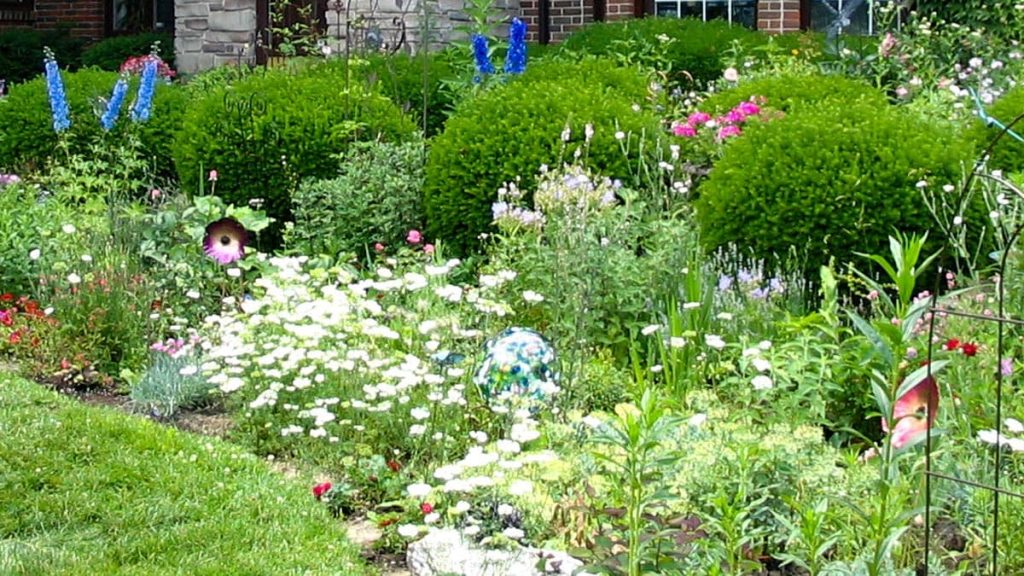
- Biodiversity promotion: Planting natives, integrating pollinator-friendly flowers, and encouraging beneficial insects.
- Carbon capture: Designing gardens that store carbon through deep-rooted plants and organic matter.
This approach mirrors natural ecosystems, making gardens more resilient to pests, extreme weather, and nutrient depletion. Gardeners are drawn to regenerative methods not only for their environmental benefits but also for the healthier produce, vibrant flowers, and balanced ecosystems they support.
Practical Eco-Friendly Gardening Tips for Every Home
1. Compost to Reduce Waste and Build Soil
Composting is the foundation of eco-friendly gardening. Kitchen scraps, lawn clippings, and leaves can all be transformed into a nutrient-rich soil amendment. Compost improves soil structure, boosts water retention, and reduces the need for chemical fertilizers.
Even urban dwellers can get involved. Small worm bins, bokashi systems, or compact tumblers make composting accessible for apartments and condos. Instead of throwing away coffee grounds, vegetable peels, and eggshells, consider them raw materials for healthier soil.
2. Plant Native Species
Native plants are well adapted to local conditions, requiring less water and fewer inputs. They also provide essential food and shelter for pollinators, birds, and other wildlife. The National Wildlife Federation (2023) highlights that native species support far more pollinator activity compared to non-native plants.
For example:
- In the U.S. Midwest, coneflowers and milkweed attract monarch butterflies.
- In tropical climates, native flowering trees and shrubs sustain diverse bird populations.
- In arid regions, native succulents and grasses survive with minimal irrigation.
Choosing natives ensures that your garden contributes to local ecosystems rather than straining them.
3. Conserve Water with Smarter Systems
With global water shortages becoming more frequent, efficient water use is central to eco-friendly gardening. Options include:
- Rainwater harvesting: Collect rain in barrels or cisterns for irrigation.
- Drip irrigation: Deliver water directly to roots, reducing evaporation.
- Mulching: A layer of organic mulch conserves soil moisture while suppressing weeds.
- Soil moisture sensors: Tech-enabled tools prevent overwatering.
Grouping plants with similar water needs together (a practice called hydrozoning) further improves efficiency. This not only conserves water but also saves money on utility bills.
4. Swap Chemicals for Natural Solutions
Chemical pesticides and fertilizers can harm soil microbes, contaminate water, and disrupt ecosystems. Instead, eco-friendly gardening relies on natural solutions:
- Neem oil or insecticidal soap for insect control.
- Companion planting—like basil with tomatoes—to deter pests naturally.
- Introducing beneficial insects such as ladybugs or lacewings to control aphids.
- Homemade compost tea for soil fertility.
Over time, gardens managed with fewer chemicals develop natural checks and balances, leading to healthier long-term growth.
5. Focus on Soil Health
Healthy soil is the bedrock of regenerative gardening. Beyond compost, consider these practices:
- Cover crops like clover or rye protect soil during the off-season and fix nitrogen.
- No-till gardening minimizes soil disturbance, preserving microbial life.
- Biochar can improve soil’s ability to retain carbon and nutrients.
Soil is not just dirt—it’s a living ecosystem. By feeding it with organic matter and reducing disturbances, you can improve fertility while contributing to global climate mitigation.
The Role of Technology in Eco-Friendly Gardening
Technology is helping gardeners adopt sustainable practices more easily. Smart irrigation systems monitor soil moisture and weather forecasts to water only when necessary. Solar-powered garden lights reduce energy use. Apps that track plant growth, identify pests, and suggest eco-friendly treatments are becoming popular among tech-savvy gardeners.
Allied Market Research (2024) projects that the smart irrigation market will surpass $3 billion by 2030, highlighting the growing intersection of technology and eco-friendly gardening. This shift shows how digital tools can support climate-friendly lifestyles without requiring advanced expertise.
Urban Applications: Green Spaces in Cities
Eco-friendly gardening is not limited to rural or suburban areas. Urban environments are increasingly incorporating sustainable practices through:
- Rooftop gardens: Reducing heat islands and providing local food.
- Balcony planters: Using vertical gardens and container systems to grow herbs, vegetables, and flowers.
- Community gardens: Transforming vacant lots into productive, eco-conscious green spaces.
These approaches bring nature into cities, improve air quality, and create opportunities for community engagement. Urban regenerative gardening also makes sustainability accessible to people without traditional yards.
Community Gardening and Shared Impact
Community gardens are more than shared plots—they’re hubs for education and collaboration. Many incorporate composting programs, rainwater collection, and pollinator pathways. These collective efforts multiply the impact of eco-friendly gardening by pooling resources and knowledge.
Additionally, they address food insecurity by providing affordable, fresh produce to neighborhoods. This shared model demonstrates that eco-friendly gardening can have both environmental and social benefits.
Getting Started: A Beginner’s Action Plan
If you’re new to eco-friendly gardening, the process may feel overwhelming. Start small and build habits gradually. A simple plan could include:
- Begin composting food scraps or yard waste.
- Add one or two native plants suited to your region.
- Replace a chemical pesticide with a natural alternative.
- Install a rain barrel or experiment with drip irrigation.
- Track your garden’s progress and celebrate milestones.
Every small change contributes to a larger impact. Over time, you’ll see healthier soil, reduced waste, and increased wildlife in your garden.
Conclusion: Small Gardens, Big Change
Eco-friendly gardening tips provide more than just aesthetic value—they create healthier ecosystems and more resilient communities. By focusing on regenerative practices like composting, soil health, water conservation, and biodiversity, individuals can make a real difference in addressing climate challenges.
Regenerative gardening demonstrates that sustainability isn’t limited to large-scale policies or corporate initiatives. It begins with individuals making conscious choices in their backyards, balconies, or community plots. These local actions ripple outward, contributing to global environmental health.
As 2025 continues, the trend toward eco-friendly and regenerative gardening reflects a broader cultural shift: recognizing that the way we grow plants can either degrade or restore the planet. By choosing eco-friendly gardening tips and integrating them into daily routines, every gardener has the power to nurture not just their plants, but the Earth itself.
References
- Environmental Protection Agency (EPA). (2023). Facts and Figures about Materials, Waste and Recycling. https://www.epa.gov/facts-and-figures-about-materials-waste-and-recycling
- National Wildlife Federation. (2023). The Importance of Native Plants. https://www.nwf.org/nativeplants
- Allied Market Research. (2024). Smart Irrigation Market Size, Share & Trends. https://www.alliedmarketresearch.com/smart-irrigation-market

 Wellness Practices That Boost Mental Clarity