Gardening Ideas That Support Healthy Outdoor Spaces
Julian Novak September 22, 2025
Creating healthy outdoor spaces is more than just a design trend—it’s becoming an essential part of sustainable living. In 2025, gardeners, homeowners, and even urban planners are rethinking how their gardens contribute to personal well-being, biodiversity, and climate resilience. From eco-friendly landscaping to pollinator habitats, the focus has shifted toward practices that not only make gardens visually appealing but also healthier for people and the planet.
This article explores current trends and practical gardening ideas that support healthy outdoor spaces, giving you actionable tips to transform your garden into a thriving, restorative environment.
Why Healthy Outdoor Spaces Matter
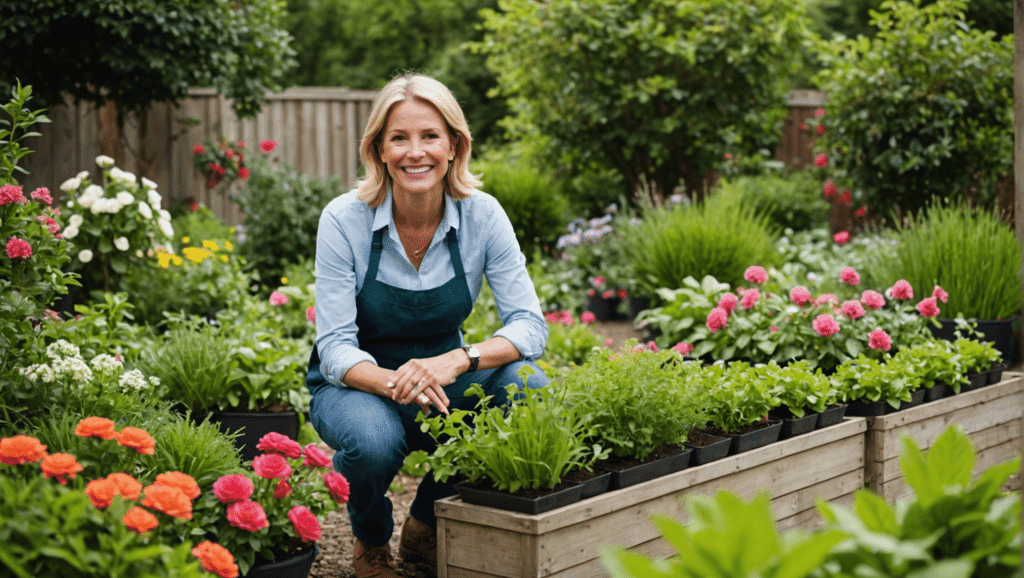
Spending time in green spaces has been shown to improve mental health, reduce stress, and encourage physical activity. At the same time, healthy gardens support biodiversity, improve air quality, and help mitigate urban heat islands. According to the World Health Organization, access to urban greenery can lower rates of cardiovascular disease, reduce pollutants, and improve community well-being.
Healthy outdoor spaces are not just for large backyards—they can be created on balconies, patios, rooftops, and community plots. The principle is the same: design your outdoor space to benefit both people and the environment.
Key Gardening Trends in 2025
1. Climate-Resilient Gardening
With shifting weather patterns, gardeners are prioritizing plants that can withstand drought, heat, and unpredictable rainfall. Climate-resilient gardening ensures long-term success without wasting resources. Native plants and drought-tolerant species are especially important because they require less water, adapt to local ecosystems, and support pollinators.
Practical ideas:
- Choose native flowering perennials instead of high-maintenance ornamentals.
- Install rain gardens to capture and absorb stormwater naturally.
- Use mulch and ground covers to reduce evaporation and regulate soil temperature.
- Collect and recycle rainwater with barrels to reduce reliance on municipal supplies.
This approach is increasingly promoted by city governments worldwide as a way to address water shortages and build resilience against climate change.
2. Pollinator-Friendly Gardens
Bees, butterflies, moths, and other pollinators are critical for global food security. Yet, habitat loss and pesticide use have caused dramatic declines in their populations. Creating pollinator-friendly gardens is one of the most impactful ways individuals can support ecosystems.
How to support pollinators:
- Plant nectar-rich flowers like lavender, echinacea, sunflowers, and native wildflowers.
- Avoid synthetic pesticides—use organic pest controls instead.
- Incorporate seasonal blooms to provide food year-round.
- Add bee hotels, log piles, or small water features for shelter and hydration.
A 2024 study published in Nature Ecology & Evolution emphasized that pollinator-focused planting not only benefits insects but also increases crop resilience and biodiversity in both rural and urban areas.
3. Edible Landscaping
Gardens are no longer just ornamental. More households are incorporating edible plants into outdoor designs, blending function with beauty. This trend—known as edible landscaping—encourages people to grow their own food while also enjoying aesthetically pleasing spaces.
Ideas for edible landscaping:
- Plant herbs like basil, mint, and rosemary alongside flowers for visual and culinary appeal.
- Use fruit trees or berry shrubs as shade providers or natural hedges.
- Grow leafy greens in raised beds that double as design features.
- Incorporate vertical gardens for climbing vegetables such as cucumbers or beans.
Edible landscaping reduces reliance on industrial food systems, promotes healthier eating, and fosters a deeper connection to the food we consume.
4. Natural Pest Management
Pesticide-free gardening is becoming mainstream as awareness grows about the risks of chemicals to human health and ecosystems. Integrated Pest Management (IPM) and companion planting are practical approaches that enhance resilience naturally.
Examples of companion planting:
- Marigolds repel nematodes when planted near tomatoes.
- Basil enhances tomato growth while deterring pests like whiteflies.
- Nasturtiums attract aphids, drawing them away from valuable crops.
- Onions and garlic deter carrot flies when grown nearby.
This strategy reduces chemical dependency while creating a healthier garden environment for humans, pollinators, and soil organisms.
5. Outdoor Wellness Gardens
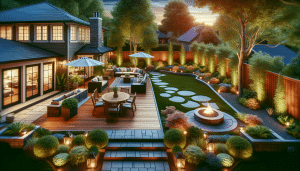
Wellness-focused gardens are gaining popularity as people seek balance in their daily lives. These gardens are designed for relaxation, mindfulness, and physical activity. Water features, meditation corners, and sensory plantings all contribute to outdoor wellness.
Wellness-focused ideas:
- Include aromatic plants like lavender, chamomile, and jasmine for stress relief.
- Create shaded seating areas with pergolas or climbing vines.
- Add pathways for walking, stretching, or yoga practice.
- Install small fountains or birdbaths to bring calming sounds and wildlife.
Research from the American Psychological Association highlights that spending time in outdoor wellness gardens can lower cortisol levels, enhance mood, and improve focus.
6. Sustainable Soil Health Practices
Soil is the foundation of every healthy garden. Without proper soil care, even the most well-planned outdoor space will struggle. Gardeners in 2025 are focusing on soil regeneration techniques that mimic natural ecosystems.
Healthy soil practices:
- Use compost to replenish nutrients and reduce food waste.
- Apply organic mulch to lock in moisture and feed soil microbes.
- Rotate crops annually to prevent nutrient depletion.
- Grow cover crops such as clover or rye to improve soil structure.
Healthy soil not only supports thriving plants but also acts as a carbon sink, contributing to climate mitigation.
Practical Tips for Creating a Healthy Outdoor Space
Here’s a step-by-step guide to get started:
- Assess your space. Identify sun exposure, soil type, and available area.
- Start with soil health. Add compost, mulch, and organic matter.
- Choose the right plants. Prioritize native species, drought-tolerant plants, and pollinator-friendly flowers.
- Plan for diversity. Mix edibles, ornamentals, shrubs, and ground covers for balance.
- Conserve water. Use drip irrigation, soaker hoses, and rainwater collection systems.
- Think about design. Add seating areas, shaded corners, or paths for usability.
- Maintain sustainably. Avoid chemicals, prune responsibly, and compost organic waste.
The Future of Healthy Gardens
Technology is increasingly shaping how we create and maintain healthy outdoor spaces. Smart irrigation systems, AI-powered plant care apps, and eco-friendly garden sensors are helping gardeners monitor soil moisture, detect plant diseases, and optimize water use.
Urban environments are also embracing green roofs, vertical gardens, and pocket parks to maximize greenery in limited spaces. These approaches not only improve biodiversity but also lower city temperatures and reduce stormwater runoff.
Looking ahead, the fusion of technology, sustainability, and wellness will continue to define gardening practices. The goal is clear: create outdoor spaces that nourish both people and the planet.
Conclusion
In 2025, gardening has evolved from a simple pastime into a movement centered on sustainability, biodiversity, and personal well-being. By adopting gardening ideas that support healthy outdoor spaces, you’re not just improving your backyard—you’re contributing to healthier communities and a more resilient planet.
With thoughtful design, eco-conscious practices, and a focus on long-term impact, every garden—whether large or small—can become a sanctuary that supports both human health and ecological balance.
References
- World Health Organization. (2023). Urban green space interventions and health. Available at: https://www.who.int (Accessed: 22 September 2025)
- Nature Ecology & Evolution. (2024). Pollinator planting and biodiversity. Available at: https://www.nature.com (Accessed: 22 September 2025)
- American Psychological Association. (2024). Nature and mental health: Well-being benefits of outdoor spaces. Available at: https://www.apa.org (Accessed: 22 September 2025)

 Travel Planning Tips That Encourage Local Engagement