Gardening Tips That Encourage Pollinator Growth
Julian Novak October 8, 2025
Gardening tips that encourage pollinator growth help create sustainable ecosystems while supporting essential pollinators like bees, butterflies, and hummingbirds. By cultivating pollinator-friendly gardens, homeowners contribute to biodiversity and healthy food production.
According to Better Homes & Gardens, pollinator-friendly gardens improve plant yields, support local wildlife, and promote ecological balance (Better Homes & Gardens, 2022). This article explores practical strategies to enhance pollinator activity in your garden.
1. Plant Native and Pollinator-Friendly Species
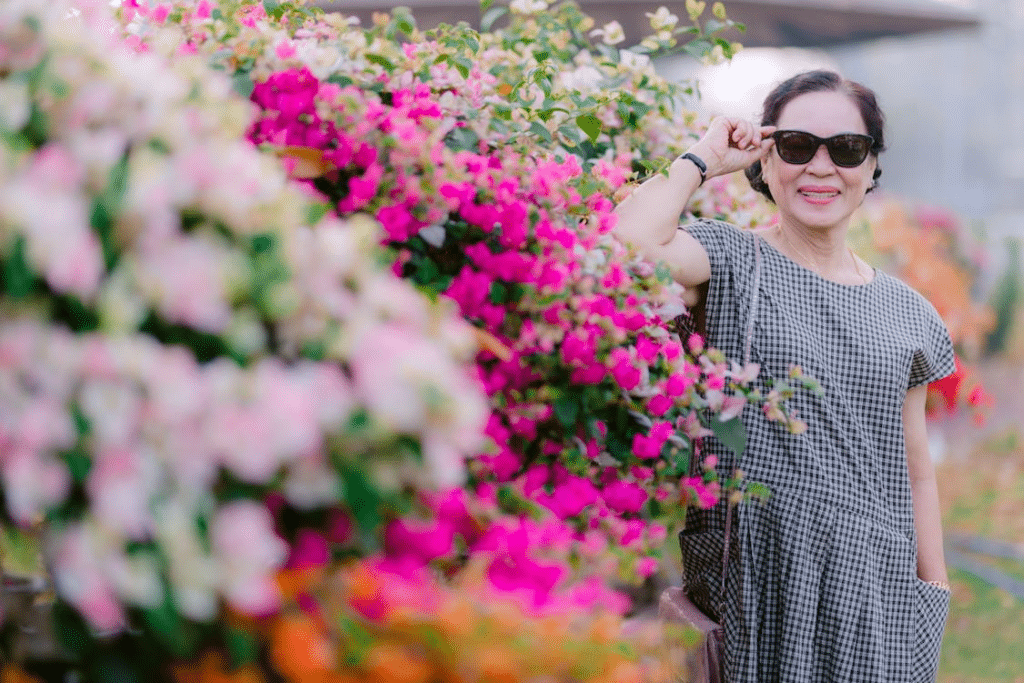
Native plants provide food and shelter for local pollinators.
Tips:
- Choose flowers that bloom in succession for continuous nectar
- Include a variety of shapes, colors, and heights
- Research local species that support bees, butterflies, and hummingbirds
The Spruce emphasizes that native plantings attract a diverse range of pollinators and enhance garden resilience (The Spruce, 2022).
2. Create Habitat Areas
Provide safe nesting and resting areas for pollinators.
Ideas:
- Install bee hotels or nesting boxes
- Leave patches of bare soil for ground-nesting bees
- Provide shrubs and tall grasses for shelter
Better Homes & Gardens notes that creating habitats encourages pollinator presence and supports reproduction (Better Homes & Gardens, 2022).
3. Avoid Pesticides and Chemicals
Chemicals harm pollinators and disrupt ecosystems.
Strategies:
- Use organic fertilizers and natural pest control
- Apply solutions only when necessary and in targeted areas
- Encourage beneficial insects to control pests naturally
The Spruce emphasizes that minimizing chemical use preserves pollinator populations and promotes garden health (The Spruce, 2022).
4. Provide Food and Water Sources
Consistent food and water attract and sustain pollinators.
Tips:
- Plant a variety of nectar and pollen-rich flowers
- Include flowering herbs like lavender, thyme, and basil
- Provide shallow water dishes or birdbaths for hydration
Better Homes & Gardens highlights that accessible food and water encourage frequent pollinator visits (Better Homes & Gardens, 2022).
5. Incorporate Diversity in the Garden
Diverse gardens promote ecosystem stability and pollinator support.
Ideas:
- Include trees, shrubs, flowers, and groundcover
- Mix perennial and annual plants for year-round coverage
- Avoid monocultures to support a wide range of pollinators
The Spruce notes that plant diversity creates habitats for various species and strengthens ecological resilience (The Spruce, 2022).
6. Maintain Seasonal Awareness
Plan garden care according to pollinator activity cycles.
Strategies:
- Leave flowering plants in bloom through spring, summer, and fall
- Allow leaves and plant debris to remain in winter for shelter
- Prune and manage plants without disrupting habitats
Better Homes & Gardens emphasizes that seasonal planning sustains pollinator populations year-round (Better Homes & Gardens, 2022).
Conclusion
Gardening tips that encourage pollinator growth include planting native species, creating habitats, avoiding chemicals, providing food and water, incorporating diversity, and maintaining seasonal awareness. These practices support pollinator populations and promote a thriving, sustainable garden ecosystem.
By implementing these strategies, gardeners contribute to environmental health, biodiversity, and productive outdoor spaces.
References
Better Homes & Gardens. (2022). How to create a pollinator-friendly garden. Retrieved from https://www.bhg.com
The Spruce. (2022). Gardening tips to attract bees, butterflies, and hummingbirds. Retrieved from https://www.thespruce.com
Better Homes & Gardens. (2022). Sustainable gardening practices for pollinators. Retrieved from https://www.bhg.com
The Spruce. (2022). Plant selection and garden diversity to support pollinators. Retrieved from https://www.thespruce.com

 Wellness Practices That Support Emotional Wellbeing