Gardening Tips That Enhance Seasonal Growth
Julian Novak September 24, 2025
Seasonal gardening is evolving with new techniques and research shaping how people approach planting and growth cycles. Gardeners today are no longer just reacting to the weather—they’re actively planning strategies that align with climate shifts, soil health insights, and modern sustainable methods. Understanding gardening tips that enhance seasonal growth can help you make the most of your garden whether you’re working with a backyard plot or a few raised beds.
This article explores current trends, practical tips, and expert-backed insights that improve seasonal gardening, ensuring stronger yields and healthier plants throughout the year.
Why Seasonal Growth Matters More Than Ever
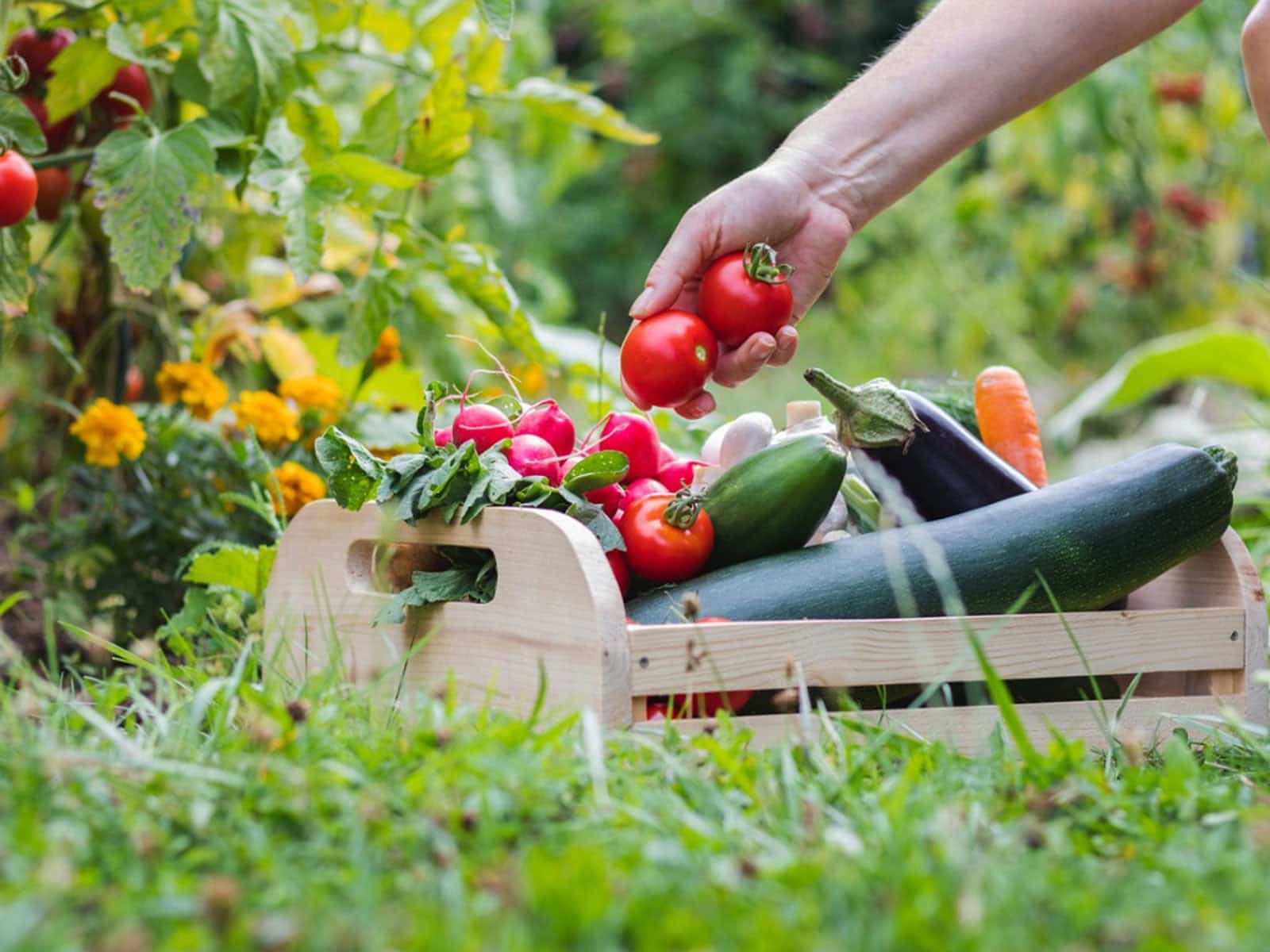
The concept of seasonal gardening isn’t new, but it has taken on new importance in recent years. With changing climate patterns, unpredictable weather shifts, and rising interest in local food production, gardeners are increasingly seeking strategies to align their planting with the seasons in smarter ways.
According to a 2023 report by the National Gardening Association, over 55% of U.S. households now engage in some form of gardening, with more people focusing on seasonal food production and pollinator-friendly planting (National Gardening Association, 2023). This trend reflects both environmental awareness and a growing desire for healthier, more sustainable lifestyles.
Enhancing seasonal growth isn’t only about higher yields—it’s about supporting biodiversity, reducing waste, and creating resilient gardens that thrive despite unpredictable weather.
Gardening Tips That Enhance Seasonal Growth
1. Plan Around Microclimates
Every garden has its own microclimate, shaped by sun exposure, shade, wind, and moisture. By observing how these factors change throughout the year, you can adjust plant placement for stronger seasonal growth.
- South-facing areas often get more sun and are ideal for heat-loving crops like tomatoes.
- Shady corners can host cool-season greens such as lettuce and spinach.
- Wind-protected spots help tender herbs or taller plants avoid damage.
Mapping your garden in each season ensures you’re placing plants where they can naturally thrive.
2. Use Seasonal Succession Planting
Succession planting—staggering crops so one harvest leads into another—is one of the most effective gardening tips that enhance seasonal growth. Instead of planting everything at once, you can plan for continuous harvests.
For example:
- Spring: Radishes, peas, spinach
- Summer: Tomatoes, peppers, beans
- Fall: Kale, carrots, broccoli
- Winter (in mild climates or cold frames): Garlic, onions, hardy greens
This method not only maximizes space but also ensures that your soil is consistently active, reducing erosion and nutrient loss.
3. Improve Soil Health with Seasonal Amendments
Healthy soil is the foundation of seasonal growth. Gardeners today are shifting toward regenerative practices that emphasize soil biology rather than synthetic fertilizers.
Key seasonal practices include:
- Spring: Add compost to replenish nutrients after winter dormancy.
- Summer: Apply mulch to retain moisture and regulate temperature.
- Fall: Incorporate cover crops like clover or rye to add nitrogen and prevent erosion.
- Winter: Let soil rest while keeping it covered with mulch or straw to avoid compaction.
Research from the USDA emphasizes that rotating amendments seasonally helps maintain soil structure and microbial activity (USDA, 2023).
4. Adapt to Climate Shifts with Flexible Planting Calendars
One emerging trend is using “dynamic planting calendars” instead of rigid ones. Traditional calendars often assume stable seasonal patterns, but climate change is making those less reliable.
Tools like the USDA Plant Hardiness Zone Map (updated in 2023) now include more detailed regional data, helping gardeners choose plants better suited to shifting conditions. Many gardening apps also provide localized predictions for frost dates, rainfall, and growing degree days.
Adapting your planting schedule based on real-time conditions—rather than fixed dates—gives your garden a better chance to thrive.
5. Practice Seasonal Water Management
Water availability and timing play a huge role in seasonal gardening. Overwatering in spring or underwatering in summer can stunt growth. A few emerging water-smart practices include:
- Drip irrigation systems that deliver water directly to roots.
- Rainwater harvesting barrels to supplement during dry spells.
- Mulching with organic material to conserve soil moisture.
The Environmental Protection Agency notes that efficient irrigation can reduce outdoor water use by 30–50%, making this both eco-friendly and cost-effective (EPA, 2023).
6. Incorporate Pollinator-Friendly Plants by Season
Pollinators are critical for seasonal growth, yet many gardens still lack year-round support for bees, butterflies, and other beneficial insects. By planting seasonally diverse blooms, you keep pollinators active and ensure better fruiting.
- Spring: Lavender, foxglove, dandelions
- Summer: Coneflowers, basil, sunflowers
- Fall: Goldenrod, sedum, asters
- Winter (mild climates): Winter jasmine, heather
A balanced garden ecosystem supports long-term productivity.
7. Experiment with Vertical and Container Gardening
Urban and small-space gardeners are adopting vertical setups and container systems that can be rotated with the seasons. Movable containers allow you to shift plants indoors during cooler months, while trellises and vertical towers maximize limited sunlight during summer.
This flexible approach ensures that seasonal gardening is possible even in compact or challenging spaces.
8. Track and Learn from Each Season
The most effective seasonal gardeners keep detailed notes. Documenting planting dates, weather events, pest challenges, and yields helps you refine your strategy year after year.
Digital garden journals and apps make it easier than ever to track seasonal changes and adjust methods accordingly.
The Future of Seasonal Gardening
Seasonal gardening is shifting from traditional routines to data-driven and eco-conscious practices. From soil regeneration to climate-adaptive planting, gardeners are leveraging both science and technology to keep their gardens thriving year-round.
The bottom line: using gardening tips that enhance seasonal growth means working with nature rather than against it. By observing your garden closely, planning smartly, and adjusting to current trends, you can create a thriving, resilient space that delivers beauty, food, and biodiversity across all seasons.
Looking ahead, seasonal gardening will likely continue blending traditional wisdom with modern innovation. Whether through smart irrigation systems, climate-responsive apps, or regenerative soil practices, the focus will be on balance—producing healthier plants while protecting the environment. For home gardeners, this means every season offers an opportunity not just to grow more, but to grow better and more sustainably.
Would you like me to also add an FAQ section (about seasonal gardening, e.g., “What plants grow best in each season?”) to give it extra SEO weight and reader value?
References
- National Gardening Association. (2023). National Gardening Survey. Available at: https://gardenresearch.com (Accessed: 24 September 2025)
- U.S. Department of Agriculture (USDA). (2023). Soil Health Principles. Available at: https://www.usda.gov (Accessed: 24 September 2025)
- Environmental Protection Agency (EPA). (2023). Outdoor Water Use in the United States. Available at: https://www.epa.gov (Accessed: 24 September 2025)

 Nutrition Tips That Support Energy and Vitality