Home Organization Ideas That Reduce Daily Stress
Julian Novak September 22, 2025
Staying organized at home is no longer just about aesthetics—it’s about mental well-being. In 2025, home organization ideas that reduce daily stress are becoming essential as people juggle remote work, rising living costs, and smaller living spaces. Clutter has been shown to increase cortisol levels, which directly impacts stress, anxiety, and focus (Saxbe & Repetti, 2010). The good news? Emerging trends in home organization combine smart design, technology, and psychology to create calming, functional spaces that support healthier daily routines.
This article explores current approaches to home organization that do more than tidy up—they actively help reduce stress and make everyday life smoother.
Why Home Organization Reduces Stress
A cluttered environment competes for your attention, overloading the brain and making it harder to concentrate. Neuroscience research suggests that visual chaos can trigger feelings of overwhelm, leaving people less productive and more fatigued (McMains & Kastner, 2011). On the flip side, organized spaces foster calm and support better decision-making.
When you can quickly find your keys, keep track of bills, or manage a meal plan without chaos, stress levels naturally decrease. This is why organization has moved from a lifestyle trend to a wellness necessity.
Hot Trend: Smart Home Organization Tools
One of the biggest shifts in 2025 is the integration of smart technology into home organization. These tools don’t just manage clutter—they automate it.
- AI-powered storage reminders: Smart cabinets and fridge organizers now track items and send alerts before expiration dates. This reduces waste and eliminates last-minute stress about meal planning.
- Voice-activated task systems: Integrating organization into existing assistants like Alexa or Google Home allows users to create “tidy-up routines” where lights dim or reminders prompt you to reset a room.
- App-based digital inventories: Families are increasingly using apps that sync shopping lists with what’s already in storage, cutting down on duplicate purchases and clutter.
A 2024 Statista report found that over 30% of U.S. households use some form of smart storage or AI-driven organization tool, a number projected to grow steadily by 2028.
Minimalism With a Personal Touch
Minimalism is not new, but in 2025 it’s evolving into what designers call “personalized minimalism.” Instead of stark, impersonal interiors, people are curating spaces with fewer items—but each chosen for emotional value or daily utility.
This approach reduces decision fatigue while still allowing personality to shine through. For example:
- Keeping a streamlined wardrobe but displaying a few sentimental items.
- Replacing “junk drawers” with small curated boxes for essentials.
- Choosing modular furniture with hidden storage to maintain clear surfaces.
By reducing excess while keeping meaningful objects, homes feel calm but not sterile—striking a balance between order and identity.
Room-by-Room Stress-Reducing Organization Ideas
1. Kitchen: The Calm Meal Zone
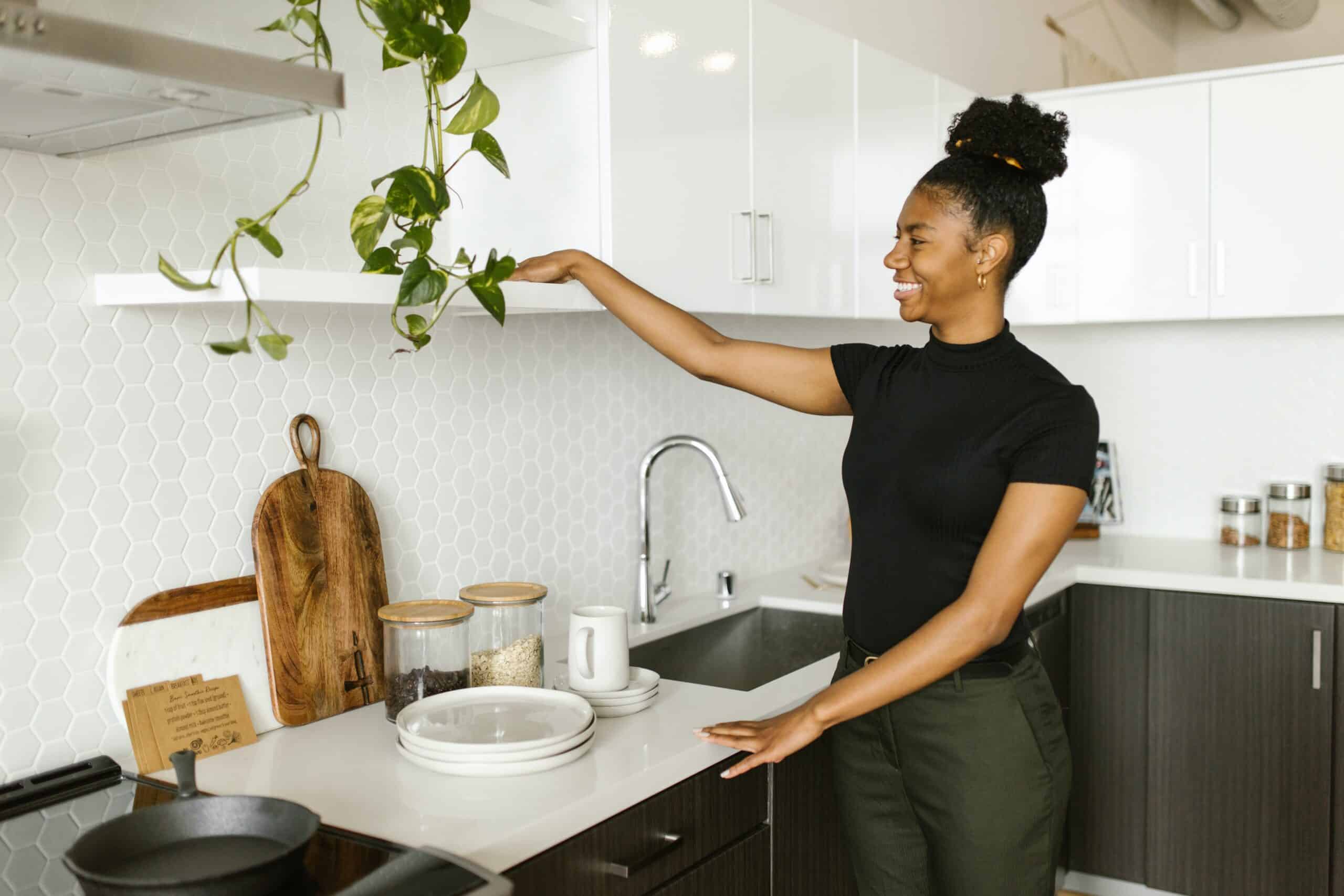
The kitchen is often the most stressful area because it’s used constantly.
- Install vertical pull-out shelves to keep counters clear.
- Use clear pantry bins to avoid “what’s inside?” frustration.
- Apply the one-touch rule: items should go from use directly back to their place.
2. Bedroom: Sleep Sanctuary
A messy bedroom can interfere with sleep.
- Under-bed rolling drawers help maximize space.
- Choose matching hangers for visual harmony in closets.
- Limit nightstands to essentials only—lamp, book, water.
3. Home Office: Digital + Physical Declutter
Remote workers feel stress when papers pile up or desktops overflow.
- Adopt a weekly digital file clean-up routine.
- Use cable organizers to keep wires hidden.
- Apply the “touch once” principle: deal with paperwork immediately instead of stacking.
4. Living Room: Shared Comfort Zone
- Hidden ottoman storage keeps remotes, games, or throws out of sight.
- Open shelving should display fewer, curated items instead of overstuffing.
- Create designated “drop zones” near the entrance to prevent clutter creep.
The Psychology of Color and Layout
An emerging trend links organization with color psychology. For example, soft neutrals reduce visual noise, while natural wood tones create warmth and comfort. Designers are also emphasizing “flow organization”—arranging items where they’re most often used, reducing micro-frustrations.
For instance: placing hooks at child height encourages kids to hang up backpacks themselves, cutting down parental stress. Similarly, storing workout gear near the entryway increases the chance of daily use.
Sustainability Meets Organization
Eco-friendly practices are increasingly shaping home organization in 2025. People are not just decluttering but doing so with sustainability in mind:
- Donation-first decluttering: Apps connect users directly with charities that need specific items.
- Upcycled storage solutions: Using reclaimed wood or repurposed containers avoids unnecessary purchases.
- Circular design furniture: Companies now offer furniture with modular parts that can be reconfigured instead of replaced.
This trend reduces both environmental and mental stress, creating homes that feel responsible and balanced.
Quick Wins: Daily Habits That Reduce Stress
Big organizational projects are helpful, but daily habits matter most. Try these stress-reducing routines:
- 5-minute reset: Spend five minutes each evening restoring surfaces and returning items to their designated spots.
- One-in, one-out rule: For every new item, remove an old one to maintain balance.
- Sunday planning: Organize weekly meals, outfits, and key tasks to avoid weekday overwhelm and wasted time.
- Mindful decluttering: Set a timer for 10 minutes and focus on one drawer or corner instead of the entire house.
- Digital cleanup routine: Once a week, clear unnecessary files, emails, and downloads to keep both physical and digital spaces stress-free.
These small, consistent practices compound into major reductions in daily stress and create lasting organization systems that feel sustainable and realistic.
The Future of Stress-Free Homes
Looking ahead, experts predict home organization will continue merging technology, psychology, and sustainability. From AI-assisted storage to eco-friendly design, the focus is shifting away from simply “looking neat” toward creating spaces that genuinely support mental health.
In 2025, home organization ideas that reduce daily stress are no longer optional—they’re becoming a foundation of healthy living.
References
- McMains, S., & Kastner, S. (2011). Interactions of top-down and bottom-up mechanisms in human visual cortex. Available at: https://www.jneurosci.org (Accessed: 22 September 2025)
- Saxbe, D. E., & Repetti, R. L. (2010). No place like home: Home tours correlate with daily patterns of mood and cortisol. Available at: https://journals.sagepub.com (Accessed: 22 September 2025)
- Statista. (2024). Smart home devices market in the U.S. Available at: https://www.statista.com (Accessed: 22 September 2025)

 Fitness Challenges That Keep You Motivated