Interior Decor Ideas That Combine Comfort and Function
Julian Novak September 19, 2025
The world of interior design is continuously evolving, with 2025 bringing exciting innovations that strike the perfect balance between comfort and functionality. As homeowners and design enthusiasts seek ways to elevate their living spaces, trends are shifting towards spaces that don’t just look beautiful but are also incredibly practical. From multifunctional furniture to sustainable materials, here are the top interior decor ideas for 2025 that combine both comfort and function.
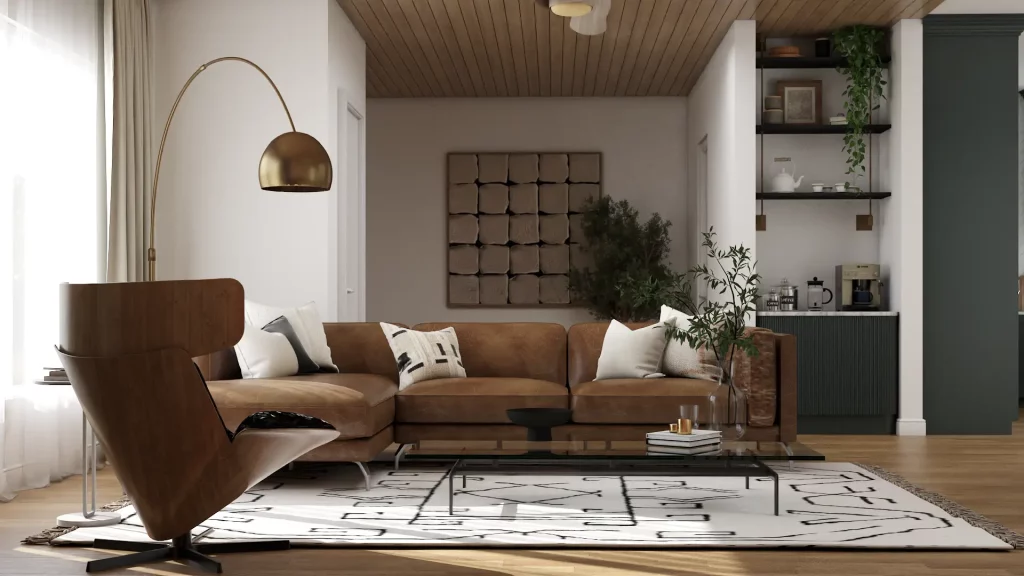
1. Multifunctional Spaces: Design for Flexibility
One of the standout trends in 2025 is the shift towards multifunctional spaces. As people spend more time at home, there’s a growing demand for interiors that can adapt to various needs throughout the day. The focus is on creating flexible spaces that can quickly transform depending on the activity, making every square foot count.
Key Features:
- Convertible Furniture: From sofa beds that seamlessly transition into workspaces to modular units that can be reconfigured, multifunctional furniture is a game-changer. For example, a coffee table that transforms into a dining area or a bookshelf that doubles as a room divider.
- Foldable Walls and Sliding Partitions: These are perfect for small apartments or shared spaces. By using movable partitions, you can create private areas or open spaces when necessary.
Benefits:
This approach not only maximizes space but also ensures that homes remain practical for both work and leisure. It offers an ideal solution for those living in apartments or houses with limited space, making small areas feel spacious without compromising on comfort.
2. Sustainability with Style: Eco-Friendly Materials
In 2025, sustainability continues to be at the forefront of interior design. Homeowners are becoming more conscious of the materials used in their interiors, with an increased focus on eco-friendly options that don’t sacrifice style or comfort. Designers are incorporating sustainable materials into furniture, flooring, and decor to enhance the aesthetic of the home while contributing to a healthier planet.
Popular Materials:
- Bamboo and Reclaimed Wood: These materials are being used for furniture, wall panels, and flooring. Bamboo is particularly celebrated for its durability and fast-growing nature, making it a sustainable choice for eco-conscious buyers.
- Recycled Fabrics and Upholstery: The demand for recycled fabrics like PET (Polyethylene Terephthalate) is growing, especially for sofas, cushions, and curtains. These materials not only promote environmental sustainability but also offer high-quality, durable options.
- Natural Stone and Concrete: Materials like reclaimed concrete and natural stone are being embraced for their timeless appeal and low environmental impact.
Benefits:
By integrating sustainable materials, homeowners are able to reduce their environmental footprint while creating spaces that are just as comfortable and beautiful as those using conventional, non-sustainable options. Sustainability doesn’t mean sacrificing luxury, and these materials add an earthy, organic vibe that fits into modern design.
3. Smart Homes: Technology Meets Comfort
The concept of the smart home is no longer just a futuristic vision; it’s a practical and essential part of modern interior design in 2025. Technological integration is designed to enhance comfort and convenience while maintaining an aesthetically pleasing environment. With smart devices becoming smaller and more discreet, technology now blends seamlessly into home decor without detracting from its beauty.
Smart Features to Include:
- Voice-Controlled Lighting and Climate Control: Adjustable lighting systems that can be controlled with a voice command, as well as smart thermostats that adapt to your routines, ensure your home is comfortable and energy-efficient.
- Hidden Appliances and Gadgets: From smart refrigerators to under-counter dishwashers, appliances are becoming more integrated and unobtrusive, contributing to a sleek and minimalist aesthetic.
- Smart Furniture: Chairs, sofas, and desks equipped with built-in charging stations, speakers, and even heating functions are growing in popularity, ensuring that your comfort and connectivity needs are met at all times.
Benefits:
Incorporating smart technology into the home not only offers convenience but also boosts energy efficiency, which helps homeowners save on utility bills. The ability to control your home’s environment through a smartphone or voice command makes living spaces more comfortable, safe, and personalized.
4. Neutral and Earthy Tones: Comfort and Calm
In 2025, interior design is embracing a palette of neutral and earthy tones that promote relaxation and a sense of calm. These colors create soothing environments that are both comforting and inviting, perfect for creating a space that feels like a sanctuary away from the hustle and bustle of the outside world.
Color Trends:
- Warm Neutrals: Shades of beige, taupe, and warm grays are dominating living rooms and bedrooms. These colors have the ability to create a cozy atmosphere and make spaces feel larger and more open.
- Earthy Greens and Terracotta: Inspired by nature, earthy greens, browns, and terracotta are being used in wall paints, rugs, and upholstery to bring the outdoors inside. These tones connect with natural elements and create a grounded, peaceful space.
Benefits:
Earthy tones are timeless and versatile, providing a sense of security and warmth. These hues make it easy to pair with other materials, like wood, stone, and textiles, adding depth to a room without overwhelming the senses. A neutral base also allows for easy updates and customization as trends evolve.
5. Biophilic Design: Bringing the Outdoors In
Biophilic design, which emphasizes the connection between humans and nature, is a key trend in 2025. By incorporating natural elements into home interiors, this design philosophy aims to reduce stress, increase productivity, and improve overall well-being. Whether through plant life, natural light, or organic textures, biophilic design fosters a comfortable and harmonious living environment.
Ways to Incorporate Biophilic Design:
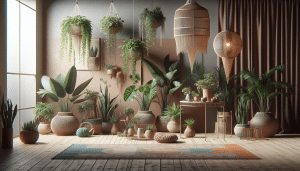
- Indoor Plants and Green Walls: Adding indoor plants is one of the simplest ways to introduce biophilic elements. Green walls, or vertical gardens, are becoming a common feature in living rooms, kitchens, and even bathrooms.
- Natural Light and Ventilation: Maximizing natural light through large windows or strategically placed skylights helps to create a bright and airy space. Well-ventilated rooms improve air quality and contribute to a healthier indoor environment.
Benefits:
Biophilic design not only promotes comfort but also enhances mental and physical well-being. It brings the calming effects of nature indoors, creating a more balanced and inviting home that encourages relaxation and creativity.
6. Comfortable, Durable Fabrics: Softness That Lasts
When it comes to creating a comfortable home in 2025, the right textiles make all the difference. Durable fabrics that are soft to the touch but also easy to maintain are becoming a focal point in interior design. Fabrics like performance velvet, recycled cotton, and washable linens are gaining popularity, offering comfort without the stress of constant upkeep.
Textile Trends:
- Performance Fabrics: These fabrics are designed to resist stains, spills, and wear, making them perfect for high-traffic areas like family rooms and dining spaces.
- Natural Fibers: Wool, cotton, and linen remain staples in home interiors due to their softness, breathability, and longevity. These materials are ideal for upholstery, curtains, and throws, providing both comfort and functionality.
Benefits:
Comfortable, durable fabrics ensure that homes are not only cozy but also practical. They offer easy maintenance and longevity, making them an investment in both comfort and sustainability.
Conclusion
The interior decor trends of 2025 reflect a shift towards creating homes that are as functional as they are comfortable. Whether through multifunctional furniture, sustainable materials, or biophilic design, homeowners are prioritizing comfort, practicality, and connection with the natural world. By embracing these trends, anyone can transform their living spaces into serene, functional environments that meet their modern needs.
References:
- The Sustainable Home: Sustainable Design Choices for 2025 – Architectural Digest. Available at: https://www.architecturaldigest.com (Accessed: 19 September 2025)
- Smart Homes: Integrating Technology Seamlessly into Your Living Space – TechCrunch. Available at: https://techcrunch.com (Accessed: 19 September 2025)
- Multifunctional Design: A Look Into Flexible Spaces for 2025 – Elle Decor. Available at: https://www.elledecor.com (Accessed: 19 September 2025)

 Fitness Challenges That Keep You Motivated