Interior Decor Ideas That Improve Productivity
September 29, 2025
Working from home has shifted from being a temporary solution to becoming a permanent setup for millions of professionals. With this shift, the way we design our home environments has also evolved. Interior decor is no longer about looks alone—it plays a direct role in how well we focus, manage stress, and sustain productivity. In fact, interior decor ideas that improve productivity are now one of the most discussed topics among remote workers, designers, and wellness experts.
This article explores emerging trends in home interior design that foster productivity, backed by research and real-world examples. Whether you’re creating a dedicated home office or making small adjustments to shared spaces, these strategies can help you work smarter, stay energized, and maintain balance.
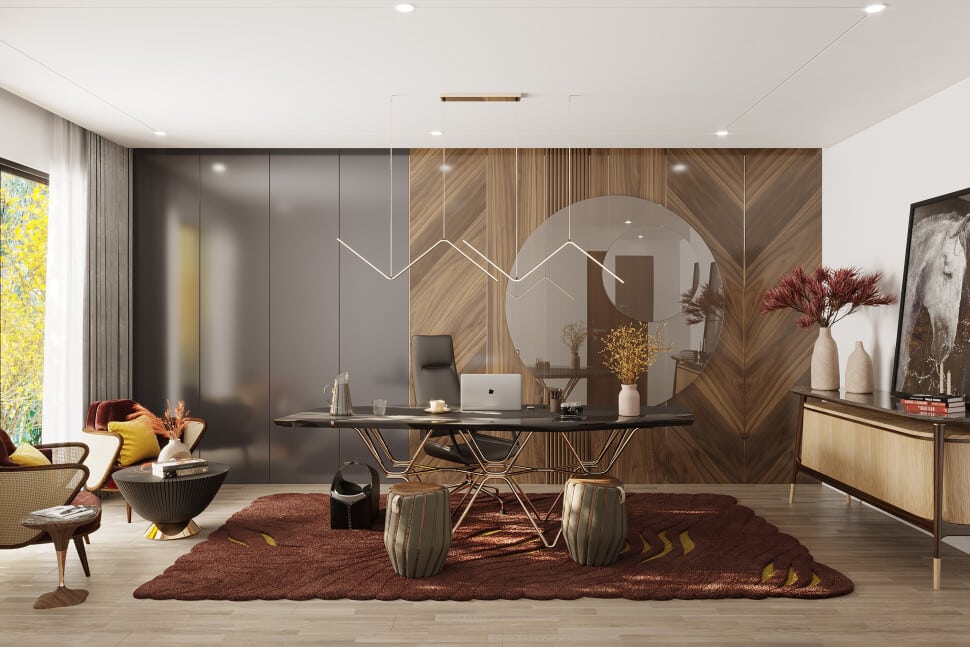
Why Interior Decor Matters for Productivity
Research shows that the spaces we occupy affect our cognitive performance, mood, and overall well-being. A study published in the Journal of Environmental Psychology found that well-designed interiors can reduce stress, increase focus, and improve mental clarity (Lee & Guerin, 2010).
Productivity is no longer tied to rigid corporate cubicles. Instead, home offices are shifting toward human-centered design—where comfort, light, and ambiance matter as much as technology. That’s why companies like Microsoft and Google have invested heavily in workplace design, and why homeowners are now applying the same principles at home.
Emerging Interior Decor Trends That Boost Productivity
1. Biophilic Design: Bringing Nature Indoors
Biophilic design, which integrates natural elements into interior spaces, is gaining traction. Indoor plants, natural wood furniture, and water-inspired decor have been shown to reduce stress and improve focus.
Practical tips:
- Add a few low-maintenance plants like snake plants or pothos near your workspace.
- Use natural wood desks or shelving to balance modern tech with organic textures.
- Incorporate nature-inspired artwork if live plants aren’t practical.
A Harvard study found that biophilic elements can increase productivity by up to 15% (Harvard T.H. Chan School of Public Health, 2022).
2. Lighting That Supports Focus and Energy
Lighting is one of the most underrated productivity tools in interior design. Poor lighting strains the eyes and lowers concentration, while good lighting can regulate circadian rhythms and boost alertness.
Current trend: Smart LED systems that adjust brightness and color temperature throughout the day. Warmer tones in the evening help with relaxation, while cooler tones in the morning encourage focus.
Practical tips:
- Position desks near windows to maximize natural light.
- Invest in a desk lamp with adjustable brightness and color settings.
- Use light-diffusing curtains to reduce glare while keeping spaces bright.
3. Minimalist Workspaces for Mental Clarity
Minimalism has moved beyond aesthetics—it’s now tied directly to productivity. A cluttered desk can lead to a cluttered mind. Many remote professionals are adopting minimalist decor to cut distractions and encourage efficiency.
Practical tips:
- Keep only essential tools (laptop, notebook, pen) within reach.
- Use hidden storage to reduce visible clutter.
- Opt for neutral color palettes to create a calm atmosphere.
4. Ergonomic and Multi-Functional Furniture
Furniture design has shifted toward ergonomics and adaptability, ensuring that work-from-home setups don’t harm long-term health.
Trendy solutions include:
- Sit-stand desks to break long sitting sessions.
- Ergonomic chairs with adjustable lumbar support.
- Foldable desks or modular furniture for small apartments.
The Global Workplace Analytics report highlights that workers with ergonomic setups experience fewer health issues and higher sustained productivity (Global Workplace Analytics, 2023).
5. Color Psychology in Productivity Spaces
Colors influence mood and behavior. Interior designers are increasingly leveraging color psychology to design productivity-boosting spaces.
- Blue tones: Improve focus and calmness.
- Green: Promotes balance and reduces eye strain.
- Yellow: Encourages creativity and optimism.
- Neutral shades: Provide a grounding background for long work hours.
Trend spotlight: Accent walls in productivity-enhancing colors are replacing plain white walls in home offices.
6. Acoustic Design for Focus
With more people working remotely, soundproofing has become an essential decor consideration. Noise distraction can reduce productivity by up to 66%, according to Steelcase research.
Trendy solutions:
- Acoustic wall panels that double as stylish decor.
- Rugs, curtains, and upholstered chairs to absorb sound.
- White noise machines or soundscaping apps that mimic natural sounds.
7. Personalized Productivity Zones
One size doesn’t fit all. A growing trend is personalization—creating zones that reflect the individual’s workflow and personality. For example, a graphic designer may benefit from a visually stimulating space, while an analyst may prefer muted tones and fewer visual distractions.
Ideas for creating zones:
- Separate creative spaces from administrative ones.
- Use area rugs or furniture arrangement to define zones in multipurpose rooms.
- Add personal items like framed photos or motivational quotes for inspiration.
8. Tech Integration That Blends with Decor
As smart devices become standard, interior design now merges technology seamlessly into decor. This prevents workspaces from looking overly mechanical while maintaining efficiency.
Emerging ideas:
- Wireless charging desks that reduce cable clutter.
- Hidden cable management built into desks and cabinets.
- Voice-controlled lighting and climate systems integrated into sleek designs.
Practical Guide: How to Redesign Your Space for Productivity
Here’s a simple step-by-step plan to implement interior decor ideas that improve productivity in your home:
- Assess your current space – Identify distractions, poor lighting, or uncomfortable furniture.
- Pick a primary focus – Decide whether lighting, ergonomics, or clutter reduction will make the biggest difference.
- Incorporate biophilic elements – Add plants, natural textures, or sunlight-friendly layouts.
- Upgrade your furniture – Choose ergonomic and flexible pieces that fit your workflow.
- Use color intentionally – Paint an accent wall or add decor that aligns with your productivity needs.
- Manage acoustics – Reduce noise distractions with rugs, panels, or curtains.
- Personalize your space – Make it yours, balancing function with comfort.
Conclusion
The way we design our homes has a direct impact on how we think, work, and feel. As remote work and hybrid setups continue to shape modern life, interior decor ideas that improve productivity are no longer optional—they’re essential. By adopting trends like biophilic design, smart lighting, ergonomic furniture, and intentional color schemes, you can transform your living space into an environment that supports focus, reduces stress, and enhances creativity.
Small changes—like adding a plant or upgrading your lighting—can compound into long-term productivity gains. The future of work isn’t just digital; it’s also about the spaces we create to support it.
References
- The Role of Acoustic Design & Noise in Productivity. (n.d.). Steelcase. Available at: https://www.steelcase.com (Accessed: 29 September 2025)
- Are Biophilic-Designed Site Office Buildings Linked to Health, Well-being and Performance? (2014). PMC (NCBI). Available at: https://pmc.ncbi.nlm.nih.gov (Accessed: 29 September 2025)
- Research: A Little Nature in the Office Boosts Morale and Productivity. (2023, July). Harvard Business Review. Available at: https://hbr.org (Accessed: 29 September 2025)

 Fitness Routines That Support Healthy Lifestyles