Interior Decor Ideas That Maximize Comfort
Julian Novak September 26, 2025
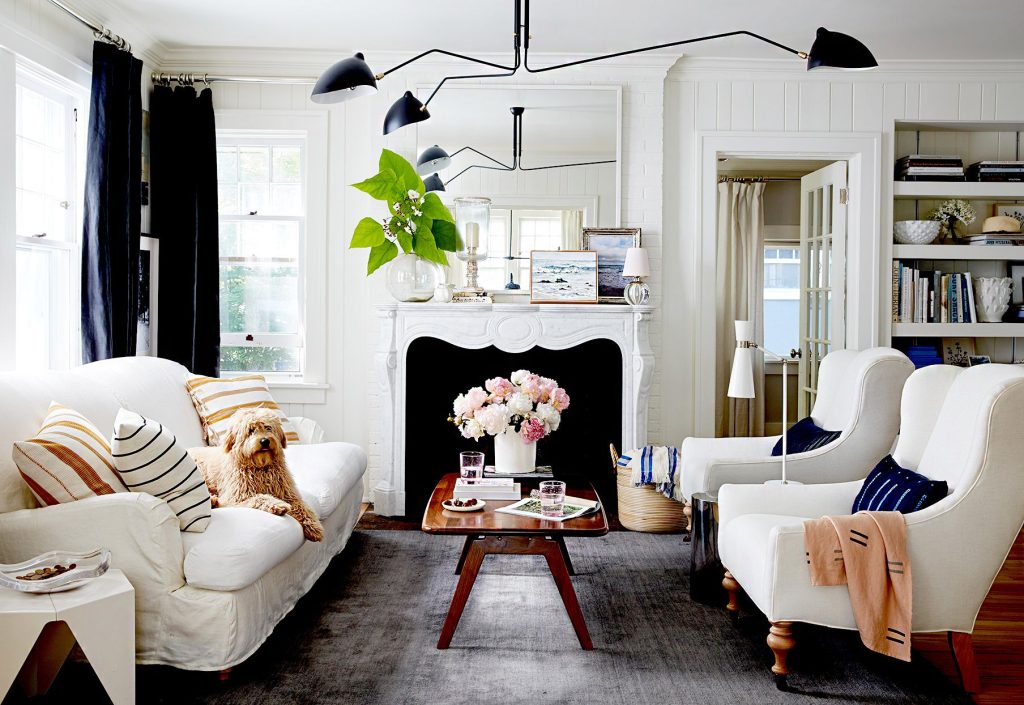
Creating a home that feels both stylish and welcoming has become more important than ever, especially as many people continue to spend significant time indoors. One of the most searched topics today is interior decor ideas that maximize comfort. Homeowners are looking beyond aesthetics, prioritizing layouts, textures, and design choices that make daily life more enjoyable. From soft, layered textiles to ergonomic furniture and lighting designed to mimic natural sunlight, comfort-driven interiors are shaping modern living.
This article explores the latest trends and practical approaches that blend function, design, and well-being to help transform any space into a haven of relaxation.
Why Comfort Is a Top Priority in Interior Design
Comfort is no longer seen as an optional part of interior design—it’s at the forefront of home trends. According to a 2024 report by the American Society of Interior Designers (ASID), wellness and comfort are now primary drivers in design decisions, influencing furniture choices, color palettes, and even technology integration. Homes are increasingly viewed as sanctuaries, and people are investing in decor that improves both physical and emotional well-being.
Trend #1: Layered Textures for a Cozy Feel
One of the simplest yet most impactful interior decor ideas that maximize comfort is layering different textures. Mixing fabrics and finishes creates a sense of depth and warmth in a space.
How to Apply This Trend:
- Combine soft throws with chunky knit pillows.
- Pair leather chairs with linen curtains.
- Use natural materials like wool, cotton, and jute for added tactile variety.
- Layer rugs, especially in open-plan spaces, to visually anchor seating areas while softening hard flooring.
The goal is to make the room not just visually appealing but physically inviting.
Trend #2: Ergonomic and Multifunctional Furniture
Furniture that prioritizes body support and adaptability is essential for comfort-centered design. With the rise of remote work, ergonomic features have made their way beyond office chairs into living rooms and bedrooms.
Examples of Ergonomic Decor Updates:
- Reclining sofas with built-in lumbar support.
- Adjustable standing desks with a minimal, stylish look.
- Beds with hybrid mattresses designed to balance firmness and plush comfort.
Multifunctional furniture, such as ottomans with storage or fold-out desks, also ensures that spaces remain uncluttered while serving multiple needs.
Trend #3: Biophilic Design and Indoor Greenery
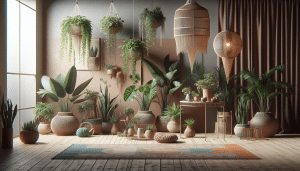
Biophilic design—incorporating natural elements indoors—is a rising trend that directly impacts comfort. Plants not only enhance visual appeal but also improve air quality and promote relaxation.
Ways to Add Comfort Through Biophilic Design:
- Place large potted plants in corners to soften sharp lines.
- Use vertical plant walls for smaller spaces.
- Integrate natural wood, stone, or bamboo in furniture and decor.
- Maximize natural light with sheer curtains.
Research from the Journal of Environmental Psychology shows that proximity to natural elements can reduce stress and improve focus, making greenery both a decor choice and a wellness investment.
Trend #4: Lighting That Mimics Nature
Lighting plays a critical role in shaping how comfortable a room feels. The newest trend in interior design focuses on circadian lighting—systems that mimic the natural rhythm of daylight to support sleep and energy levels.
Practical Lighting Ideas:
- Smart bulbs that shift from warm tones in the evening to cool tones during the day.
- Layered lighting: combine ambient, task, and accent lighting for flexibility.
- Use floor lamps and wall sconces to eliminate harsh shadows.
This trend is especially helpful in regions with limited natural sunlight, offering a practical way to create healthier living environments.
Trend #5: Warm, Neutral, and Earthy Color Palettes
Color psychology plays a huge role in comfort. Current trends lean toward warm neutrals and earthy shades that evoke calmness and stability. Think muted browns, soft greens, beige, terracotta, and creamy whites.
Tips for Using Comfort-Driven Colors:
- Paint accent walls in earthy tones to ground the room.
- Use neutral backdrops and add color through cushions, rugs, or art.
- Pair warm shades with natural textures like wood and stone.
These tones create spaces that feel timeless yet modern, encouraging relaxation and a sense of balance.
Trend #6: Personalization Through Sentimental Decor
Comfort isn’t just about physical well-being—it’s also emotional. Incorporating personal touches makes a home feel truly lived-in.
Ideas for Personalization:
- Display family photos in modern gallery walls.
- Showcase travel souvenirs as subtle accents.
- Curate books, art, or textiles that reflect your personality.
Personalization helps a home feel authentic, fostering comfort by surrounding residents with meaningful items.
Trend #7: Minimalist Layouts with Maximum Function
Clutter often disrupts comfort. That’s why minimalist-inspired layouts are trending, not in the stark sense of empty rooms, but in carefully curated spaces where every item has a purpose.
Comfort-Boosting Minimalist Ideas:
- Opt for hidden storage to keep surfaces clean.
- Invest in fewer but higher-quality furniture pieces.
- Use modular shelving that adapts to changing needs.
This approach reduces visual noise while maximizing livable space.
Trend #8: Technology Integration for Everyday Ease
Smart home technology is increasingly being integrated into comfort-focused interiors. From voice-controlled thermostats to automated blinds, these additions enhance convenience while maintaining style.
Examples of Comfort-Enhancing Tech:
- Smart climate control for consistent indoor temperatures.
- Wireless charging stations built into side tables.
- Noise-canceling devices or soundproof curtains for quiet spaces.
The key is choosing technology that supports daily routines without overwhelming the design.
Practical Guide: Steps to Maximize Comfort in Any Home
For readers seeking a straightforward action plan, here are steps that combine multiple trends:
- Start with Color: Choose a warm, neutral palette as your base.
- Layer Textures: Add variety with throws, rugs, and pillows.
- Prioritize Furniture: Invest in ergonomic, multifunctional pieces.
- Bring in Nature: Incorporate plants and natural materials.
- Update Lighting: Use circadian or layered lighting systems.
- Declutter Smartly: Opt for minimalist layouts with hidden storage.
- Personalize: Add decor that reflects your personality and memories.
- Leverage Technology: Use smart devices that enhance comfort.
By following these steps, homeowners can transform their interiors into spaces that balance style, wellness, and daily functionality.
Conclusion
Interior decor today is about more than appearance—it’s about creating homes that support comfort, wellness, and meaningful living. The most relevant interior decor ideas that maximize comfort include layered textures, ergonomic furniture, biophilic elements, natural lighting, warm palettes, and smart technology. Each trend shows a growing shift toward homes that feel inviting and functional, designed for both relaxation and productivity.
By thoughtfully combining these ideas, anyone can transform their living space into a personalized retreat that supports both body and mind. Comfort, after all, is no longer a luxury—it’s an essential part of modern living.
References
- American Society of Interior Designers (ASID). (2024). 2024 Outlook and State of Interior Design Report. Available at: https://www.asid.org (Accessed: 26 September 2025)
- Journal of Environmental Psychology. (2023). The impact of biophilic design on mental health and productivity. Available at: https://www.sciencedirect.com (Accessed: 26 September 2025)
- Architectural Digest. (2024). Top interior design trends of the year. Available at: https://www.architecturaldigest.com (Accessed: 26 September 2025)

 Fitness Routines That Improve Mental Health