Interior Decor Ideas That Reflect Personality
Julian Novak September 25, 2025
Homes are no longer just functional spaces—they are canvases for self-expression. In 2024 and heading into 2025, one of the hottest topics in home design is interior decor ideas that reflect personality. Instead of sticking to cookie-cutter aesthetics, homeowners and renters are choosing colors, furniture, and layouts that highlight individuality.
This shift reflects a larger cultural movement toward authenticity. People are increasingly curating their homes not only to look good but also to represent their values, lifestyles, and emotions. Whether it’s through bold color psychology, sustainable choices, or statement furniture, the goal is simple: make a house feel like you.
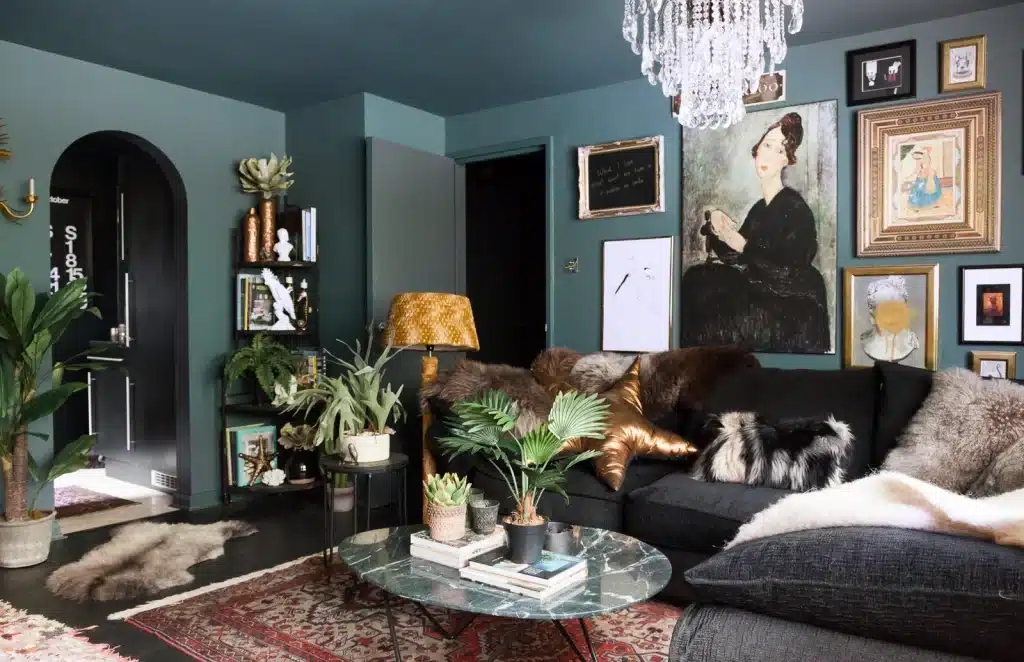
Why Personality-Centered Design Is Trending
The trend toward personality-driven interiors has grown rapidly over the last three years. According to Houzz’s 2024 U.S. Houzz & Home Study, 63% of homeowners ranked “personal style” as more important than following established design rules when redecorating. This is a striking contrast from a decade ago, when many people leaned on ready-made catalog looks or pre-packaged styles.
There are a few reasons this movement has gained traction:
- Work-from-home lifestyles: People spend more hours indoors, so creating personalized, comforting environments is a priority.
- Social media inspiration: Platforms like Instagram and Pinterest fuel ideas for curated, highly individual spaces.
- Sustainability and values-based living: Many homeowners want their choices to align with ethical or eco-conscious principles.
- Generational influence: Millennials and Gen Z, who now make up a large portion of renters and first-time buyers, favor personalization and authenticity over conformity.
1. Color Psychology as a Reflection of Mood
Color is one of the most powerful ways to express personality in a home. Instead of sticking to beige, gray, and white, people are experimenting with bold palettes that reflect moods, aspirations, and traits.
- Bold and extroverted personalities often lean toward vibrant reds, energetic oranges, or sunshine yellows. These colors stimulate energy and creativity, making them ideal for social spaces.
- Calm and introspective personalities may choose muted greens, lavender tones, or earthy blues. These create a soothing environment, perfect for bedrooms and workspaces.
- Experimental and artistic personalities are embracing two-tone walls, gradient effects, and even textured paint finishes to create unique backdrops.
Practical tip: If you’re hesitant about committing to a bold color, start with a feature wall, painted furniture, or accent decor like cushions and rugs.
2. Personalized Gallery Walls and Handmade Decor
A gallery wall is no longer about buying mass-produced prints. It’s about curating a visual story. From personal photography to DIY paintings and handmade crafts, homeowners are creating meaningful displays that reflect their experiences and values.
Some creative approaches include:
- Memory-driven walls: Family photos, postcards from travels, or children’s artwork.
- Mixed media combinations: Blending fabric art, digital prints, and 3D objects in one arrangement.
- DIY statement pieces: Painted canvases or framed calligraphy created at home.
This approach shifts decor from “decoration” to “storytelling.” A well-designed gallery wall reveals personality at a glance.
3. Smart Homes with Personality
Smart home technology is not just about convenience anymore—it’s part of the design itself. Personalization now extends to tech-driven decor choices.
- Smart lighting systems allow homeowners to set different moods with adjustable colors and intensities. A living room can switch from a bright workspace in the morning to a warm, intimate lounge at night.
- Digital art frames showcase rotating artwork or family photos, giving flexibility without constant redecorating.
- Voice-activated systems add personality by syncing music, lighting, and temperature to suit the moment—whether it’s a quiet evening or a party.
When integrated thoughtfully, smart tech becomes a subtle but powerful extension of personal expression.
4. Sustainability as Self-Expression
Eco-friendly design choices reflect both personality and values. Choosing reclaimed, recycled, or ethically sourced decor pieces shows a commitment to sustainability while adding uniqueness.
Key trends within sustainable personalization include:
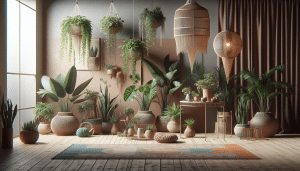
- Biophilic design: Incorporating plants, natural light, and organic textures to create calming, nature-inspired interiors.
- Thrift and vintage finds: Repurposing secondhand furniture instead of buying mass-produced items.
- Eco-textiles: Using organic cotton, bamboo fabrics, and linen for bedding, curtains, and upholstery.
Not only do these choices reduce environmental impact, but they also help create spaces that feel authentic and one-of-a-kind.
5. Statement Furniture as a Personality Marker
Gone are the days when people bought matching sets of furniture. In 2024–2025, homeowners are choosing one or two statement pieces that serve as focal points.
Examples include:
- A sculptural coffee table made from reclaimed wood.
- A velvet sofa in jewel tones like emerald or sapphire.
- A vintage armchair with a history or backstory.
Statement furniture doesn’t just serve a function—it sparks conversation and often becomes the emotional anchor of a room.
6. Lifestyle-Based Zoning
With more people working, relaxing, and entertaining at home, zoning spaces according to personality and lifestyle is gaining momentum. Open-concept layouts remain popular, but creative zoning adds a personalized touch.
- Introverts often carve out cozy reading corners with layered textiles and warm lighting.
- Extroverts prefer open entertaining zones with modular seating.
- Creatives design art or craft spaces with mood boards and easy access to materials.
Using rugs, screens, and varied lighting can help define these zones without structural changes.
7. Mixing Styles for Eclectic Personalities
One of the strongest current trends is mixing aesthetics rather than sticking to one. This creates layered, eclectic spaces that reflect multifaceted personalities.
Examples of popular mashups include:
- Industrial lighting paired with rustic wooden tables.
- Minimalist spaces brightened with bursts of maximalist art.
- Scandinavian simplicity softened with bohemian textures.
This approach breaks traditional design “rules” and instead celebrates individuality. It allows a space to feel dynamic and personal rather than staged.
8. Mood-Driven Decor Accessories
Accessories are an easy way to adjust decor to reflect shifting moods or evolving tastes. People are gravitating toward:
- Textiles: Throws, rugs, and cushions in mood-reflective colors.
- Candles and diffusers: Scent has become part of personality-driven decor.
- Seasonal decor swaps: Rotating accessories with the seasons for freshness and emotional alignment.
This fluid approach ensures that interiors evolve alongside the personality of the homeowner.
9. Cultural and Heritage Influences
Many homeowners are incorporating elements of personal or family heritage into decor. This can range from traditional textiles to art pieces that honor cultural roots.
Examples include:
- Displaying pottery from a home country.
- Incorporating traditional patterns into modern upholstery.
- Using ancestral heirlooms as centerpiece items in contemporary rooms.
This trend speaks to authenticity, connecting the past with the present while grounding a home in meaningful identity.
10. The Future of Personality-Driven Interiors
Looking ahead, the personalization trend shows no signs of slowing down. Expect to see more:
- AI-assisted design tools that recommend decor ideas based on personality quizzes.
- Custom 3D-printed decor items, from lighting fixtures to shelving, tailored to individual tastes.
- Hybrid styles that merge global influences, reflecting the increasingly connected world.
The future of interior design is not about following a single aesthetic—it’s about creating homes that feel deeply personal, versatile, and reflective of who lives there.
Conclusion: Homes as Personal Narratives
At its core, the rise of interior decor ideas that reflect personality shows a growing emphasis on authenticity. People want homes that tell their story, whether that’s through bold color choices, sustainable furniture, heritage-inspired details, or eclectic mixes of style.
This trend is powerful because it gives freedom. There’s no single formula for creating a personality-driven home. Instead, it’s about aligning design with lifestyle, values, and emotions. As 2025 approaches, we can expect even more innovation in personalization—especially as technology and sustainability intersect with home design.
Your home is more than four walls and furniture. It’s an evolving narrative that reflects who you are today and who you’re becoming tomorrow. When design feels personal, it’s not just stylish—it’s meaningful.
References
Houzz. (2024). 2024 U.S. Houzz & Home Study. Houzz. Available at: https://www.houzz.com (Accessed: 25 September 2025)
Architectural Digest. (2023). The biggest interior design trends for 2024. Available at: https://www.architecturaldigest.com (Accessed: 25 September 2025)
Forbes Home. (2024). Interior design trends: What’s in and out for 2024. Available at: https://www.forbes.com (Accessed: 25 September 2025)

 Smart Home Devices That Enhance Daily Life