Interior Decor Tips That Enhance Comfort and Function
Julian Novak September 22, 2025
Homes today are more than just places to sleep and eat. They are workstations, wellness hubs, creative spaces, and sanctuaries for relaxation. In 2025, interior design trends show that people are seeking balance: homes must feel good and function effectively. Two of the most talked-about approaches are biophilic design—bringing nature indoors—and dopamine decor, which uses color and joyful aesthetics to lift mood.
Both trends highlight a shift in priorities. Comfort is no longer just about soft furniture; it’s about spaces that nurture mental well-being. Function goes beyond storage and layout; it means designing rooms that support productivity, health, and happiness. Let’s explore how these trends are shaping interiors and how you can use them in practical ways to enhance your own home.
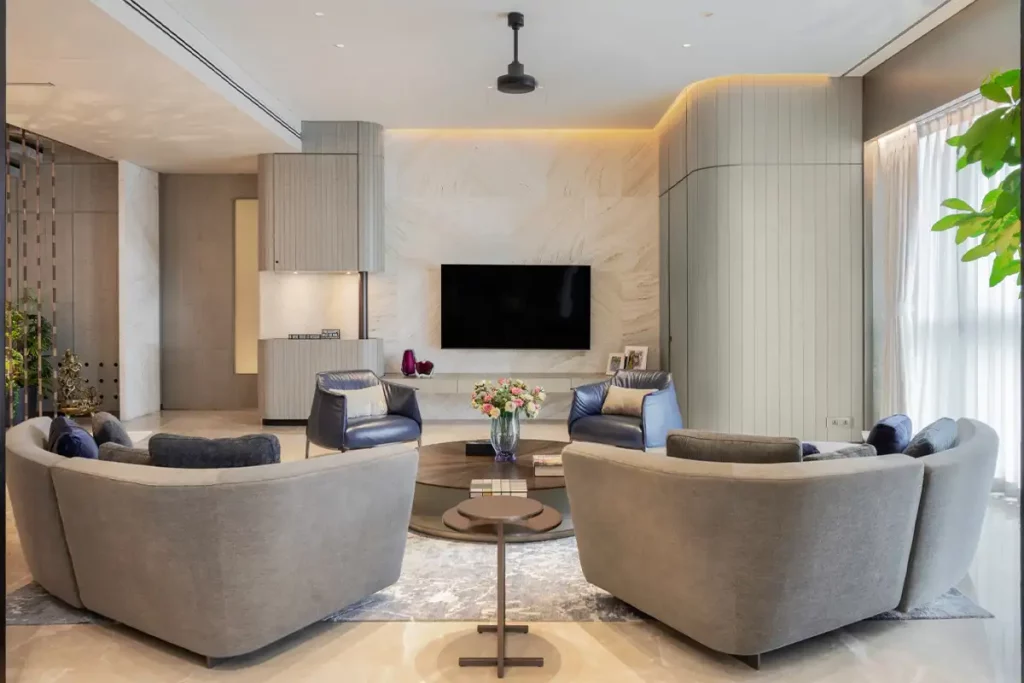
Why Biophilic Design Matters
Biophilic design is rooted in the idea that humans have an innate connection to nature. In recent years, studies have shown that exposure to natural light, greenery, and organic materials reduces stress and improves cognitive function. This has made biophilic elements more than a design preference—they are becoming essential to healthy living spaces.
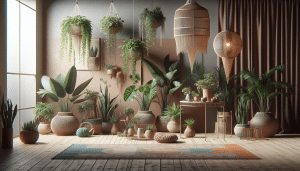
In homes, biophilic design appears through natural materials like wood and stone, indoor plants, natural ventilation, and layouts that prioritize daylight. Beyond aesthetics, these choices make rooms feel fresher, calmer, and more adaptable to everyday needs. A living room with good natural light, layered greenery, and earthy textures becomes not just attractive but also restorative.
The Rise of Dopamine Decor
While biophilic design leans toward calm and natural elements, dopamine decor moves in the opposite direction: it’s all about joy. This trend is characterized by bold colors, playful patterns, and décor that sparks happiness. Think vibrant throw pillows, unexpected color pairings, and art that makes you smile.
The popularity of dopamine decor reflects cultural shifts. After years of minimalism and muted palettes, people want more energy in their surroundings. With homes doubling as offices and gyms, a dose of cheerful design helps break monotony. Bright walls or colorful accents can act as mood boosters, improving motivation and lifting spirits.
Combining Biophilic Design and Dopamine Decor
The most interesting design direction for 2025 is the combination of these two approaches. By blending natural elements with strategic bursts of color, you can create interiors that feel balanced—calm yet lively, functional yet personal.
For example, a home office might feature a desk made of reclaimed wood (biophilic) with a chair upholstered in a bold shade of teal (dopamine). The result is a space that feels grounded but also energizing enough for productive work.
Practical Tips to Apply These Trends at Home
Here are step-by-step ways to integrate comfort and function using biophilic design and dopamine decor:
1. Maximize Natural Light
- Keep window areas uncluttered.
- Use sheer curtains to diffuse light without blocking it.
- Consider reflective surfaces like mirrors to bounce daylight deeper into rooms.
Natural light supports circadian rhythms, making spaces healthier and more comfortable.
2. Bring Nature Indoors
- Add indoor plants in varying sizes for depth and texture.
- Use natural materials like cork, rattan, or bamboo in furniture or accents.
- Create a visual connection to the outdoors with large windows or even artwork depicting nature.
These touches reduce stress and give spaces a restorative quality.
3. Use Color with Purpose
- Choose one or two dopamine-inspired colors as accents rather than overwhelming the room.
- Apply them to pillows, rugs, or a single feature wall.
- Pair bold tones with neutral or natural backdrops for balance.
This ensures comfort remains while still adding an uplifting element.
4. Focus on Functionality
- Arrange furniture to support daily activities—work, relaxation, and social interaction.
- Use modular furniture that adapts to different needs.
- Prioritize comfort in seating and lighting to make each space truly usable.
Function in design ensures that beauty does not compromise practicality.
5. Layer Textures and Materials
- Combine smooth surfaces like glass with tactile materials like linen or raw wood.
- Texture creates depth and comfort while connecting spaces to natural cues.
- Pair earthy textures with vibrant fabrics to merge the two trends seamlessly.
6. Create Mood Zones
- In multipurpose spaces, designate “zones” for specific activities.
- Use plants to separate a work corner from a lounge area.
- Color can also define zones—soft tones for calm spaces, bold accents for energizing areas.
Comfort and Function Beyond Aesthetics
While design choices influence how a home looks, they also shape how it feels and works. Comfort is about reducing stressors: good lighting, ergonomic furniture, calming textures. Function is about flexibility: rooms that adapt, furniture that multitasks, and layouts that support diverse lifestyles.
Biophilic design contributes to comfort by connecting us with nature, which research has shown lowers physiological stress. Dopamine decor contributes to function by energizing and motivating, keeping spaces lively and stimulating. The blend ensures that a home doesn’t only look appealing but actively supports health and productivity.
Future Outlook for Home Interiors
Experts predict that these trends will continue shaping interiors as urban living intensifies and remote work remains common. People want homes that are not just visually attractive but also emotionally supportive.
Sustainability will also reinforce these trends. Biophilic design promotes natural, eco-friendly materials. Dopamine decor encourages creative reuse of old furniture with bold paints or fabrics. Together, they align with a shift toward homes that are healthier for both people and the planet.
Final Thoughts
Interior decor is no longer about following a single style. In 2025, the focus is on creating spaces that truly serve us—mentally, emotionally, and practically. Biophilic design connects us to the natural world, reducing stress and enhancing comfort. Dopamine decor adds personality, joy, and energy. Together, they form an approach to interior design that enhances both comfort and function.
If you are planning updates to your home, consider blending natural textures and light with well-chosen pops of color. The result will be a space that not only looks good but also feels good and works well for your daily life.
References
- Frontiers in Virtual Reality. (2025). Effects of biophilic design elements on stress recovery in immersive virtual environments. Available at: https://www.frontiersin.org (Accessed: 22 September 2025)
- RMCAD. (2024, January 12). Biophilic design: Integrating nature into modern interiors. Available at: https://www.rmcad.edu (Accessed: 22 September 2025)
- MDPI. (2025). Biophilic design: A systematic review of its impact on health, well-being, and built environments. Available at: https://www.mdpi.com (Accessed: 22 September 2025)

 Financial Planning Tips for Young Adults