Interior Design Solutions That Maximize Comfort
Julian Novak October 7, 2025
Interior design solutions that maximize comfort focus on creating spaces that are both visually appealing and physically supportive. Comfortable interiors enhance well-being, reduce stress, and improve quality of life. Combining ergonomic furniture, optimal lighting, and thoughtful layouts ensures every room is functional, inviting, and relaxing.
According to Architectural Digest, comfort-focused design emphasizes the balance of aesthetics and functionality, incorporating furniture, lighting, and materials that support relaxation and ease of use (Architectural Digest, 2022). This article explores practical strategies to maximize comfort in interior spaces.
1. Ergonomic Furniture
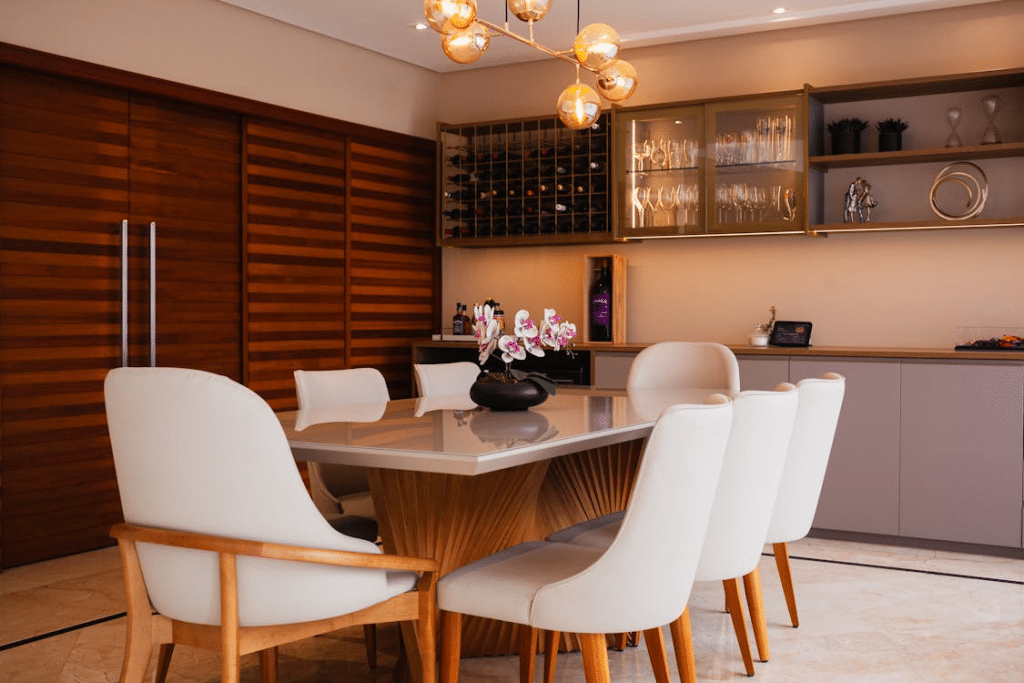
Furniture designed with ergonomics in mind supports posture and physical comfort.
Ideas:
- Adjustable chairs and desks for home offices
- Sofas and lounge chairs with lumbar support
- Recliners and ergonomic beds for optimal rest
House Beautiful highlights that ergonomic furniture reduces discomfort and enhances long-term health (House Beautiful, 2022).
2. Optimal Lighting Solutions
Proper lighting improves mood, functionality, and visual comfort.
Strategies:
- Layer ambient, task, and accent lighting
- Use dimmable lights to adjust brightness according to activity
- Maximize natural light through window treatments and layout
HGTV emphasizes that lighting affects both comfort and productivity in living spaces (HGTV, 2022).
3. Thoughtful Layouts
Room layouts that prioritize flow and accessibility enhance comfort.
Tips:
- Arrange furniture to allow free movement and accessibility
- Create dedicated zones for work, relaxation, and social interaction
- Avoid overcrowding rooms with excessive furnishings
Better Homes & Gardens notes that thoughtful layouts improve usability and create inviting, comfortable spaces (Better Homes & Gardens, 2022).
4. Textiles and Soft Furnishings
Materials such as cushions, rugs, and curtains contribute to a cozy environment.
Suggestions:
- Use soft, breathable fabrics for furniture and bedding
- Incorporate area rugs to add warmth and texture
- Layer curtains or drapes for insulation and privacy
Elle Decor highlights that textiles enhance comfort while adding visual appeal (Elle Decor, 2022).
5. Temperature and Climate Control
Maintaining a comfortable indoor environment is essential.
Tips:
- Install programmable thermostats or smart climate control systems
- Use fans, humidifiers, or dehumidifiers as needed
- Ensure proper ventilation for fresh air circulation
Architectural Digest notes that consistent climate control supports physical comfort and overall well-being (Architectural Digest, 2022).
6. Acoustic Considerations
Reducing noise levels creates a more relaxing and comfortable environment.
Strategies:
- Use rugs, curtains, and upholstered furniture to absorb sound
- Install soundproofing materials in high-noise areas
- Position furniture to minimize echo and distraction
House Beautiful emphasizes that acoustics significantly affect perceived comfort in a home (House Beautiful, 2022).
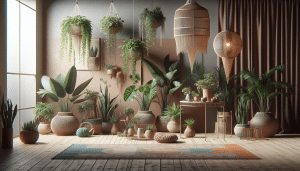
7. Incorporate Nature and Biophilic Elements
Natural elements improve comfort and mental well-being.
Ideas:
- Indoor plants for air quality and aesthetics
- Natural materials such as wood and stone
- Views of nature or outdoor spaces from windows
HGTV notes that biophilic design enhances relaxation and promotes a sense of tranquility (HGTV, 2022).
Conclusion
Interior design solutions that maximize comfort include ergonomic furniture, optimal lighting, thoughtful layouts, soft textiles, climate control, acoustic adjustments, and biophilic elements. Implementing these strategies ensures living spaces are cozy, functional, and supportive of well-being.
By focusing on comfort in interior design, homeowners can create environments that enhance relaxation, productivity, and overall quality of life.
References
Architectural Digest. (2022). Design strategies for comfortable and functional interiors. Retrieved from https://www.architecturaldigest.com
House Beautiful. (2022). Ergonomic furniture and comfort-focused design. Retrieved from https://www.housebeautiful.com
HGTV. (2022). Lighting, climate, and biophilic design for comfort. Retrieved from https://www.hgtv.com
Better Homes & Gardens. (2022). Layouts and design tips for comfortable living spaces. Retrieved from https://www.bhg.com
Elle Decor. (2022). Textiles and furnishings to maximize comfort. Retrieved from https://www.elledecor.com

 Fitness Challenges That Are Easy to Follow