Interior Design Trends That Promote Comfort and Productivity
Julian Novak September 18, 2025
As the lines between work and home life continue to blur, creating a living space that promotes both comfort and productivity has never been more essential. The modern home isn’t just a sanctuary for rest but has evolved into a place where individuals work, exercise, relax, and socialize—all under one roof. As such, interior design trends have shifted to meet the demands of a more dynamic lifestyle. Interior design trends are specifically tailored to boost productivity and ensure a restful environment, from optimizing home offices to maximizing comfort in common areas.
In this article, we’ll explore the top interior design trends for 2025 that strike a balance between comfort and productivity. Whether you’re working from home full-time or looking to create a space that fosters relaxation while still enabling you to stay focused, these trends will offer practical solutions.
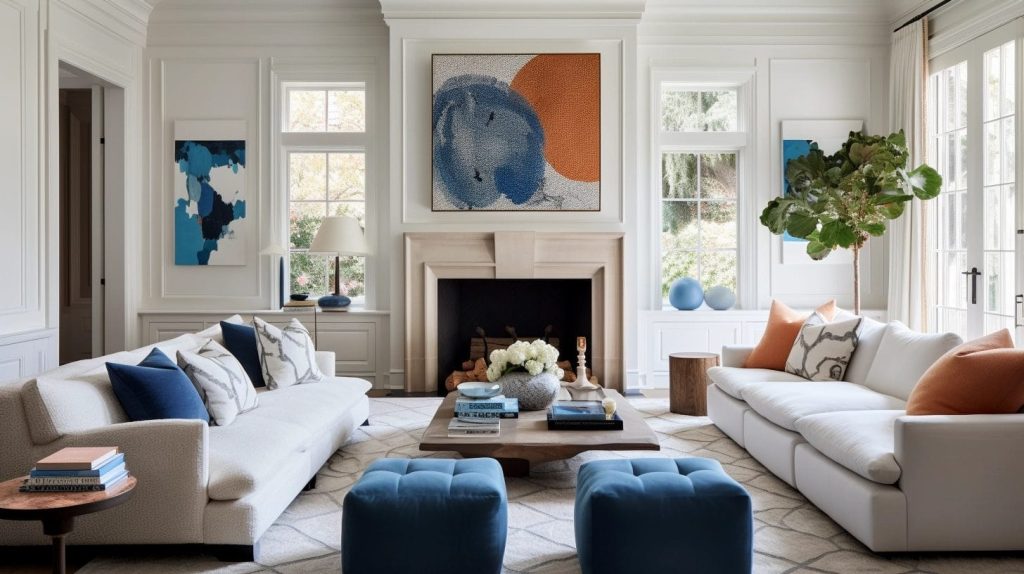
1. Multi-Functional Furniture
The rise of multi-functional furniture continues to be one of the most practical interior design trends for maximizing both comfort and productivity. This trend is particularly relevant in homes with limited space, where a room must serve more than one function.
Furniture that works harder—like sofa beds, fold-out desks, or storage ottomans—has become increasingly popular. These items allow individuals to maximize their space while maintaining a clean, organized look. For example, a coffee table that transforms into a desk or a modular sofa that offers a built-in charging station can enhance productivity without sacrificing comfort.
The growing need for adaptable spaces that serve as both relaxation zones and workspaces supports this trend. According to Interiors Magazine, multi-functional designs also help reduce clutter, which can improve focus and overall well-being. This is particularly important for those working from home, where a cluttered environment can lead to stress and decreased productivity.
2. Biophilic Design
Biophilic design focuses on the connection between humans and nature. It’s a trend that has gained momentum in recent years and is expected to continue to thrive in 2025. Incorporating natural elements into the home not only boosts mood and creativity but can also reduce stress and increase productivity. By bringing the outdoors in, people can enjoy the benefits of nature, even when confined indoors.
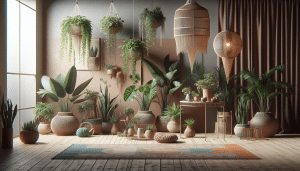
Plants, natural wood finishes, and large windows that invite sunlight are common elements of biophilic design. Research from Psychology Today suggests that exposure to nature has a calming effect on the mind, which can lead to better focus and a heightened sense of well-being. For home offices, biophilic design elements like indoor plants, natural textures, and earthy colors help to create a serene, balanced environment conducive to deep work.
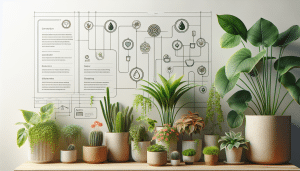
Furthermore, biophilic design goes beyond aesthetics—it enhances air quality through the use of plants, which in turn promotes a healthier environment. Popular houseplants such as snake plants, succulents, and peace lilies are known to purify the air, improving overall health and cognitive function.
3. Flexible, Open-Concept Spaces
The trend towards open-concept living is evolving into more flexible, dynamic spaces. In 2025, designers are focusing on creating environments that allow for easy adaptation. Instead of rigid room layouts, homeowners are embracing multifunctional spaces that can be transformed depending on the time of day or the activity being undertaken.
For instance, living rooms that double as workout areas or family rooms that transform into home offices are becoming the norm. Sliding partitions, modular walls, and open shelving are being used to create spaces that are visually open but can be reconfigured for privacy or separation when needed. This design flexibility allows individuals to have a dedicated work area during the day, and a relaxing space to unwind in the evening.
The growing popularity of multifunctional open spaces aligns with the increasing demand for homes that are not only stylish but also serve practical functions. According to the American Institute of Architects, open-plan designs remain highly desirable but are now paired with elements that offer greater flexibility and adaptability.
4. Ergonomic Furniture and Accessories
As working from home becomes a permanent fixture for many, ergonomic furniture is increasingly important for maintaining both comfort and productivity. Ergonomic office chairs, sit-stand desks, and properly aligned workstations can prevent physical strain and support long hours of work.
In addition to furniture, accessories such as ergonomic keyboards, footrests, and lumbar support pillows are integral to creating a home workspace that promotes physical well-being. The benefits of ergonomic furniture go beyond comfort—it can also improve focus and energy levels. When your body is in alignment, it’s easier to remain focused for extended periods of time.
Health experts emphasize the importance of ergonomic design to prevent issues such as back pain, carpal tunnel syndrome, and other repetitive stress injuries, which are common in home office setups. By investing in ergonomic furniture and accessories, individuals can enhance their productivity while avoiding discomfort.
5. Smart Home Technology
The integration of smart home technology is a growing trend in 2025, allowing individuals to enhance their comfort while improving productivity. From voice-activated lighting to smart thermostats, these technologies streamline daily activities, reduce distractions, and make the home more energy-efficient.
For home offices, smart lighting that adjusts according to the time of day can help improve focus, while smart thermostats ensure that the temperature remains comfortable. Additionally, smart speakers can be used for virtual meetings, reminders, and even listening to music that boosts concentration.
The adoption of smart home tech is not only about convenience but also efficiency. According to Forbes, incorporating smart technology into your home can enhance your daily routine and increase productivity, while also promoting a more comfortable and energy-efficient living environment.
6. Calming Color Palettes
Color plays a crucial role in influencing mood and productivity. In 2025, the trend is leaning towards calming, neutral color palettes that promote relaxation while maintaining a sense of focus. Soft tones such as light grays, muted blues, and earthy greens help create a peaceful environment conducive to work and rest.
In particular, light blue and green hues have been shown to reduce stress and enhance cognitive function. These colors are ideal for home offices, bedrooms, and living areas where relaxation and focus are key. On the other hand, darker colors like navy or charcoal can add sophistication and depth to a space without feeling overwhelming.
Studies have shown that color impacts productivity and mood, making it an essential component of any home design focused on comfort and efficiency. According to Design Psychology, creating an environment with carefully chosen colors can positively affect your emotions, which in turn boosts overall productivity.
Conclusion
The latest interior design trends for 2025 highlight the need for homes that serve as both relaxing retreats and productive workspaces. By embracing multifunctional furniture, biophilic design, flexible spaces, ergonomic furniture, smart home technology, and calming color palettes, homeowners can create an environment that nurtures both comfort and productivity. As our living and working habits continue to evolve, these trends provide practical solutions for those looking to make the most of their homes in the modern age.
References
- American Institute of Architects. (2023). Home design trends: Flexible spaces and functionality. Architectural Journal. Available at: https://www.aia.org (Accessed: 18 September 2025)
- Interiors Magazine. (2024). Multi-functional furniture: Maximizing small spaces with style. Interiors Magazine. Available at: https://www.interiorsmagazine.com (Accessed: 18 September 2025)
- Psychology Today. (2025). The benefits of biophilic design: How nature boosts mood and productivity. Psychology Today. Available at: https://www.psychologytoday.com (Accessed: 18 September 2025)

 How Startups Can Leverage Social Media Marketing