Interior Design Trends That Inspire Creativity
Julian Novak September 19, 2025
The interior design world is constantly evolving, with new trends emerging every year to reflect changes in culture, technology, and the environment. In 2025, we are witnessing a shift towards designs that inspire creativity, offering more personalized, sustainable, and innovative ways to decorate our homes. This article explores the top interior design trends that are capturing the imagination of designers and homeowners alike, transforming ordinary spaces into inspiring, functional, and aesthetically pleasing environments.
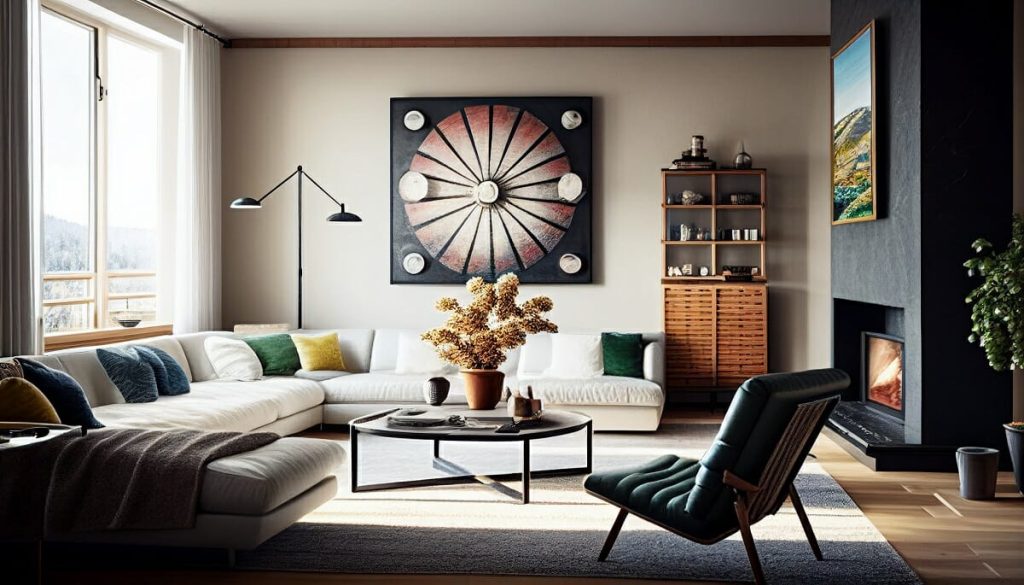
1. Biophilic Design: Bringing the Outdoors In
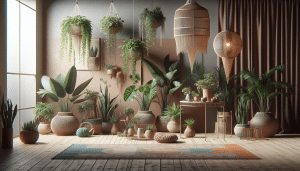
Biophilic design is a trend that continues to gain momentum, especially as we spend more time indoors. The concept is simple: integrate elements of nature into interior spaces. This design trend is rooted in the idea that connecting with nature can boost mood, creativity, and overall well-being. The trend has evolved beyond just adding houseplants—now, it includes large windows with expansive views, natural wood finishes, and organic textures.
- How to incorporate it: Use natural materials such as wood, stone, and bamboo. Choose colors inspired by nature like greens, browns, and earth tones. Additionally, adding indoor plants, incorporating green walls, or designing a garden nook can promote a connection to nature.
- Why it’s creative: It creates an organic flow in the home, allowing for a peaceful and harmonious atmosphere that encourages creative thinking.
2. Sustainable Materials and Eco-Friendly Design
As the climate crisis continues to be a global concern, sustainability in interior design has become more important than ever. Homeowners are becoming increasingly conscious of the environmental impact of their design choices. This trend focuses on using eco-friendly materials, repurposing existing furniture, and designing with sustainability in mind.
- How to incorporate it: Choose furniture made from reclaimed or upcycled materials, use energy-efficient lighting, and opt for paint and finishes with low volatile organic compounds (VOCs). You can also opt for fabrics like organic cotton, hemp, or recycled polyester.
- Why it’s creative: Sustainable design challenges homeowners and designers to think outside the box, finding new and innovative ways to reduce waste and create meaningful spaces.
3. Maximalism: Bold, Expressive, and Colorful
While minimalism has been the dominant trend for the past decade, maximalism is making a comeback. This trend is all about embracing bold patterns, colors, and textures to create a rich, layered look. It encourages personal expression and uniqueness, where no two spaces are the same.
- How to incorporate it: Layer contrasting patterns, bold colors, and eclectic furniture pieces. Don’t be afraid to mix vintage and modern elements or to create statement pieces such as a vibrant area rug or a statement wall. The goal is to celebrate individuality.
- Why it’s creative: Maximalism allows for the free flow of creativity, offering endless possibilities for expressing personal style. It’s an invitation to experiment with design, breaking traditional design rules and embracing the unexpected.
4. Tech-Integrated Homes
The rise of smart technology is not just limited to gadgets and appliances; it’s now influencing interior design. From automated lighting and climate control to voice-activated assistants, technology is seamlessly blending into our living spaces. The modern home is becoming smarter, offering comfort and convenience while encouraging creativity.
- How to incorporate it: Start by integrating smart home devices such as programmable thermostats, smart lighting systems, and voice-controlled appliances. You can also create a dedicated tech corner with a sleek desk, charging stations, and hidden cables.
- Why it’s creative: Tech-integrated homes foster a futuristic ambiance, making it easier to experiment with layouts and design while enhancing functionality. It also allows for greater customization, giving homeowners the ability to adapt their environment to their needs.
5. Art Deco Revival: Glamour and Luxury with a Modern Twist
Art Deco is making a return to interior design, offering a blend of glamour, luxury, and sophistication. Characterized by geometric patterns, metallic finishes, and bold color schemes, Art Deco provides a sense of opulence and timeless beauty.
- How to incorporate it: Use rich materials like velvet, marble, and chrome. Geometric patterns in wallpapers, flooring, and textiles will evoke the signature style of the 1920s. Pair these elements with bold lighting fixtures and mirrored furniture to complete the look.
- Why it’s creative: The Art Deco revival taps into a vintage aesthetic while allowing for modern interpretations. It invites creativity through the use of luxurious materials and intricate patterns that can make any space feel lavish.
6. Personalized Spaces: Customization is Key
Gone are the days of cookie-cutter homes. Today, people want their interiors to reflect their personality, hobbies, and passions. Personalized spaces are an extension of self-expression, with bespoke furniture pieces, custom wall art, and unique collections becoming a common feature in homes.
- How to incorporate it: Curate a space filled with items that hold personal significance—whether it’s artwork you’ve created, vintage finds, or family heirlooms. Custom-made furniture, like a personalized bookshelf or a one-of-a-kind table, can also add character to your home.
- Why it’s creative: Personalized design invites homeowners to tell their own stories through their spaces. It’s about creating a space that feels truly yours and not just a reproduction of someone else’s idea of style.
7. Neutral and Warm Color Palettes
While bold colors have their place, neutral and warm tones are becoming more prevalent in interior design. Soft neutrals such as beige, ivory, and warm greys are popular, creating a soothing and inviting atmosphere. These colors are versatile and provide the perfect backdrop for more creative accents.
- How to incorporate it: Use warm shades on the walls, flooring, and furniture to create a cozy and welcoming atmosphere. Accentuate with metallics, wooden textures, or subtle pops of color to maintain visual interest.
- Why it’s creative: Neutral and warm tones provide a versatile canvas that allows other design elements to shine. They are an excellent base for playing with textures and patterns, which makes the space feel dynamic yet balanced.
8. Retro-Futurism: Nostalgia Meets Innovation
Retro-futurism combines nostalgia with a futuristic vision. It’s about drawing inspiration from past decades, particularly the 1960s to 1980s, while incorporating futuristic elements such as cutting-edge technology or space-age aesthetics. This trend offers a playful, imaginative way to design.
- How to incorporate it: Incorporate iconic retro furniture pieces like mid-century modern chairs or geometric prints while blending in futuristic touches like metallic finishes or innovative light fixtures. The key is to balance the old and new for a truly creative look.
- Why it’s creative: Retro-futurism merges different time periods, allowing for an eclectic and imaginative mix of styles. It invites creativity by combining the best of the past with the promise of the future.
Conclusion
As we move further into 2025, the interior design world continues to embrace creativity, individuality, and innovation. Whether you’re drawn to the calming effects of biophilic design, the bold expression of maximalism, or the sleek convenience of smart technology, these emerging trends provide a wealth of inspiration. So, if you’re looking to revamp your home or simply seeking fresh ideas, let these trends guide you towards a space that reflects your personality and inspires your creativity.
References
- Birnbach, K. (2023, March 15). The return of maximalism: Why it’s time to embrace bold, colorful interiors. Architectural Digest. Available at: https://www.architecturaldigest.com (Accessed: 19 September 2025)
- Dunning, E. (2024, January 8). Biophilic design trends for 2025: Bringing nature indoors. The Design Trend. Available at: https://www.thedesigntrend.com (Accessed: 19 September 2025)
- McDonald, C. (2024, February 20). Sustainable interior design: How eco-friendly materials are shaping 2025. Designboom. Available at: https://www.designboom.com (Accessed: 19 September 2025)

 Gardening Tips That Encourage Seasonal Planting