Interior Organization Tips That Save Time and Effort
Julian Novak September 30, 2025
Keeping a home organized has always been a challenge, but today’s fast-paced lifestyle makes it even more critical to find solutions that save time and effort. With hybrid work, growing families, and increasing demands on personal schedules, home organization has evolved from simple storage hacks into a design-driven, tech-enhanced necessity. Current trends highlight practical systems, minimalism, and smart technology that streamline daily routines without sacrificing style.
This article explores interior organization tips that save time and effort, with a focus on emerging trends shaping how people manage their homes today. From modular furniture to smart storage systems, these strategies are designed to simplify everyday living.
Why Interior Organization Matters More Than Ever
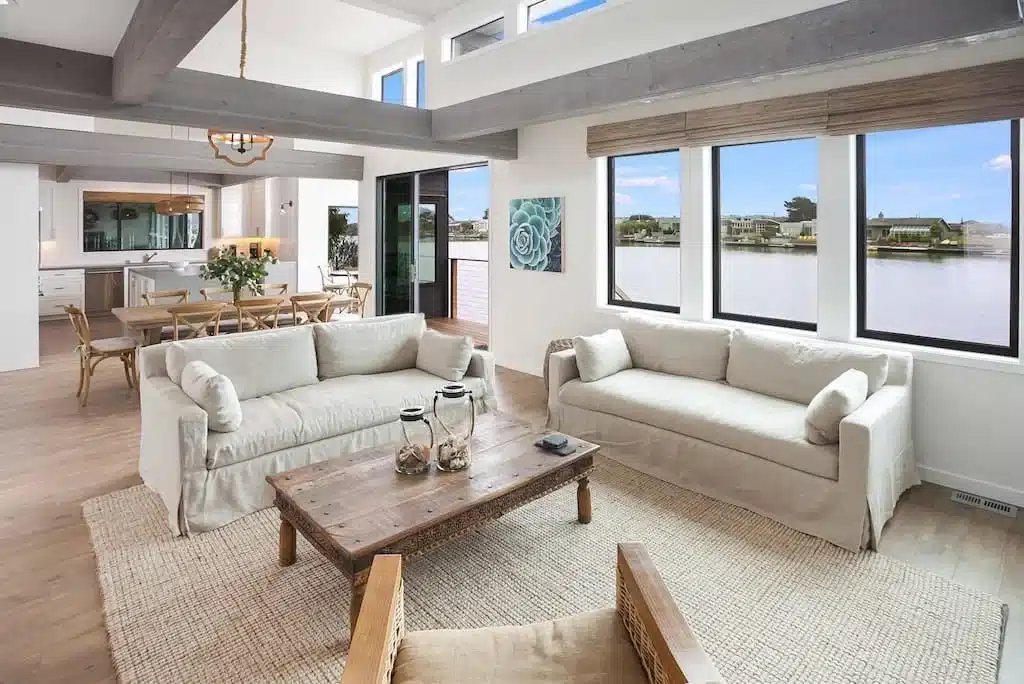
A disorganized home doesn’t just affect aesthetics—it directly impacts mental clarity, productivity, and even physical health. Studies have shown that clutter increases stress and reduces focus, making it harder to relax or work efficiently at home (Saxbe & Repetti, 2010). As more people work remotely or balance hybrid schedules, functional interiors that encourage efficiency have become a priority.
Trends in home organization now emphasize time-saving strategies, including:
- Modular storage solutions that adapt as needs change
- Smart technology that automates repetitive tasks
- Minimalist approaches that reduce clutter
- Multi-functional furniture designed for small spaces
These innovations go beyond aesthetics—they’re tools for managing modern life.
1. Modular Storage Systems: Flexibility for Changing Needs
One of the most notable shifts in home organization is the rise of modular storage systems. Unlike traditional fixed cabinets or shelves, modular systems can be customized and reconfigured as household needs evolve.
Why They Save Time and Effort:
- Adjustable layouts allow quick changes when moving or reorganizing.
- Expandable options mean homeowners don’t have to buy entirely new furniture as families grow.
- Pre-labeled inserts and bins streamline sorting, making it easier to find items fast.
Brands like IKEA and The Container Store have expanded modular offerings, while smaller startups are creating premium, design-forward versions. With sustainability in mind, many of these systems use recyclable materials and are built to last.
2. Smart Home Integration: Technology That Organizes for You
Technology has entered the organization space in a big way. Smart home devices now do more than turn on lights or track energy usage—they’re being designed to support organizational habits.
Examples of Smart Organization Tools:
- Smart closets that catalog clothes and suggest outfits
- Automated pantry trackers that monitor expiration dates and shopping needs
- Voice-activated reminders for household chores and schedules
- App-connected storage bins that let you track inventory from your phone
According to a 2023 report from Statista, smart home device usage has grown steadily, with over 350 million households expected to use smart solutions by 2027. This trend demonstrates how tech is becoming a core part of time-saving home management.
3. Minimalism and the “One-In, One-Out” Method
Minimalism isn’t new, but its role in home organization continues to grow. With people spending more time at home, the demand for clutter-free spaces has accelerated. The “one-in, one-out” method—where bringing a new item into the home requires removing an old one—is gaining traction for its simplicity.
Benefits:
- Reduces decision fatigue
- Prevents overcrowded spaces
- Encourages mindful consumption
This trend is not about empty spaces but about intentional organization—keeping what’s essential and eliminating what adds unnecessary complexity. Minimalism aligns perfectly with today’s focus on reducing stress while saving time.
4. Multi-Functional Furniture: A Must for Smaller Homes
As urban living continues to rise, multi-functional furniture has become a cornerstone of efficient interior organization. Items that serve multiple purposes reduce the need for extra storage while keeping rooms flexible.
Popular Options Include:
- Storage beds with built-in drawers
- Fold-out desks that double as shelving units
- Ottomans with hidden compartments
- Expandable dining tables
These solutions help maximize square footage while cutting down on clutter, making them particularly useful for apartments and compact homes.
5. Open Shelving and Transparent Storage
A growing trend in interior design is open shelving and transparent storage. While traditional cabinets hide belongings, this approach makes items visible and accessible, cutting down the time spent searching for everyday essentials.
Why It Works:
- Creates visual accountability (less clutter buildup)
- Encourages neatness since items are always on display
- Saves time when grabbing frequently used items like cookware or cleaning supplies
Glass jars in pantries, clear bins in closets, and open kitchen shelving are prime examples. However, this style requires discipline—without consistent organization, it can quickly look messy.
6. Digital Decluttering as Part of Home Organization
Interior organization isn’t just about physical items anymore. Digital clutter—from misplaced files to unorganized smart devices—can create just as much stress as a messy room. Many homeowners are now incorporating digital decluttering routines into their interior organization strategy.
Practical Steps:
- Organize charging stations for devices
- Store documents digitally with cloud systems
- Label and back up files to prevent time-consuming searches
- Use smart home hubs to centralize device control
By aligning physical and digital organization, households save significant time and avoid duplicated effort.
7. Eco-Friendly Storage Solutions
Sustainability is influencing every part of home design, and organization is no exception. Eco-friendly storage solutions—made from bamboo, recycled plastics, or reclaimed wood—are trending among homeowners who want functionality with environmental responsibility.
Not only are these materials durable, but they also align with the growing demand for green living. Some companies even offer take-back programs, allowing customers to recycle old storage products for new ones.
8. Time-Saving Organization Habits
Even with the best systems in place, habits play a crucial role in long-term success. The latest organizational strategies emphasize routine over occasional overhauls, which prevents clutter from returning.
Effective Habits to Build:
- 10-minute resets at the end of the day to restore order.
- Weekly decluttering sessions focusing on one room at a time.
- Labeling essentials so every item has a “home.”
- Using checklists for seasonal reorganizing.
These small but consistent actions are what ultimately save the most time and effort.
Conclusion
Home organization is no longer just about looking neat—it’s about creating systems that support busy lifestyles. The combination of modular furniture, smart technology, minimalism, and eco-friendly solutions is shaping how modern homes function.
By implementing interior organization tips that save time and effort, homeowners can reduce stress, improve productivity, and create spaces that adapt to the demands of daily life. Whether through smart closets, multi-functional furniture, or simple routines like a 10-minute reset, the goal remains the same: efficiency without sacrificing comfort or style.
As trends continue to evolve, one thing is clear—organization has become less of a chore and more of a lifestyle design choice.
References
- Saxbe, D. E., & Repetti, R. L. (2010). No place like home: Home tours correlate with daily patterns of mood and cortisol. Personality and Social Psychology Bulletin, Available at: https://journals.sagepub.com (Accessed: 30 September 2025)
- Armstrong, M. “Smart home devices to boom over the next 5 years.” World Economic Forum (with Statista data). Available at: https://www.weforum.org (Accessed: 30 September 2025)
- Strategic Market Research. (2024). Smart Home Statistics and Trends 2024. Available at: https://www.strategicmarketresearch.com (Accessed: 30 September 2025)

 Fitness Challenges That Encourage Daily Movement