Gardening Ideas That Improve Outdoor Aesthetics
Julian Novak September 30, 2025
Outdoor spaces have become more than just lawns or patios—they are extensions of the home where design, sustainability, and creativity intersect. In 2025, one of the most significant shifts in gardening is the blending of aesthetic appeal with eco-friendly practices. From climate-conscious planting to vertical greenery, homeowners and designers are rethinking how outdoor areas can look beautiful while serving a practical purpose.
This article explores gardening ideas that improve outdoor aesthetics, highlighting current trends and offering practical inspiration for anyone looking to transform their yard, balcony, or courtyard.
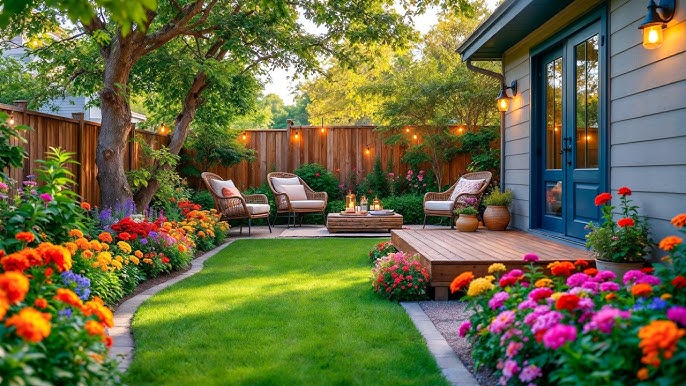
Why Outdoor Aesthetics Matter Today
Outdoor aesthetics are no longer a secondary consideration. With more people working remotely and spending leisure time at home, yards and gardens are viewed as personal retreats and social spaces. According to a 2023 report by the American Society of Landscape Architects (ASLA), there has been a growing emphasis on creating sustainable yet visually striking gardens that reflect personal style while being mindful of the environment (ASLA, 2023).
Improving outdoor aesthetics isn’t just about curb appeal; it’s about creating an inviting atmosphere that combines functionality with artistry.
Key Gardening Trends Driving Outdoor Aesthetics
1. Climate-Smart Planting
As weather patterns shift, homeowners are choosing plants that thrive in their local climate. This trend prioritizes low-maintenance, drought-tolerant species that reduce water usage while adding texture and color. Native plants, in particular, have surged in popularity because they support local ecosystems and often require less care.
Ideas to try:
- Replace traditional grass lawns with ornamental grasses like blue fescue or fountain grass.
- Use succulents in containers or ground cover arrangements for a modern look.
- Incorporate native flowering shrubs to attract pollinators such as bees and butterflies.
2. Vertical Gardens for Compact Spaces
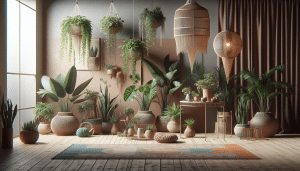
With urban living on the rise, many people are working with limited outdoor space. Vertical gardens—walls or structures filled with greenery—are a stylish solution. These gardens improve outdoor aesthetics by adding lush, layered visuals without requiring expansive ground space.
Ideas to try:
- Install a living wall with herbs and small flowering plants.
- Use tiered planters on balconies for cascading greenery.
- Add climbing vines like jasmine or ivy to trellises for natural screening.
3. Edible Landscaping
Another trend gaining momentum is edible landscaping, where fruit-bearing trees, vegetable beds, and herbs are integrated seamlessly into decorative designs. This approach not only improves outdoor aesthetics but also provides practical benefits—fresh, homegrown produce.
Ideas to try:
- Use blueberry bushes as hedges that double as food sources.
- Border walkways with rosemary, thyme, or lavender.
- Replace ornamental trees with dwarf apple or citrus trees.
4. Blending Hardscapes with Softscapes
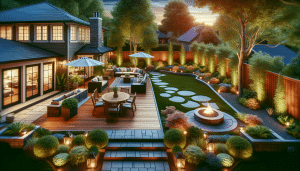
A modern garden often features a balanced mix of plants (softscape) and built elements (hardscape). Sleek stone pathways, wooden decks, and metal planters contrast beautifully with organic textures, creating visually engaging spaces.
Ideas to try:
- Install a geometric stone patio surrounded by perennial flowers.
- Use corten steel planters for a contemporary, rust-toned accent.
- Design pathways with mixed materials like gravel, wood, and brick.
5. Smart Lighting for Ambiance
Outdoor lighting has evolved from basic fixtures to integrated design features. Solar-powered and LED lighting options make it easy to highlight plants, pathways, and architectural details while saving energy.
Ideas to try:
- Add string lights across a pergola for evening gatherings.
- Use ground spotlights to emphasize ornamental trees or sculptures.
- Place lantern-style solar lights along garden edges for subtle charm.
6. Wildlife-Friendly Gardens
Many homeowners are choosing designs that invite biodiversity. Pollinator gardens, bird baths, and insect hotels are becoming stylish additions that also contribute to ecological health. According to the National Wildlife Federation, wildlife-friendly gardens help restore habitats in urban and suburban areas (NWF, 2024).
Ideas to try:
- Create a wildflower meadow corner with seasonal blooms.
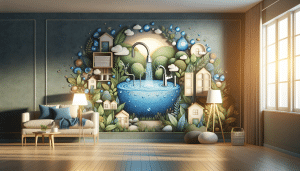
- Add a small pond or fountain to attract birds and amphibians.
- Install bee hotels to support solitary bee populations.
7. Minimalist Zen Gardens
Inspired by Japanese aesthetics, minimalist gardens focus on tranquility and balance. They often feature simple plant palettes, gravel areas, and water elements to create calm outdoor environments.
Ideas to try:
- Rake gravel or sand into patterns for a meditative effect.
- Use bonsai or pruned shrubs as focal points.
- Incorporate bamboo screens for privacy and structure.
Practical Guide: How to Improve Outdoor Aesthetics
To put these ideas into practice, consider these steps:
1: Assess Your Space
- Identify sun exposure, soil type, and available space.
- Decide whether you want a low-maintenance garden, a bold statement, or a functional edible landscape.
2: Choose a Theme
Themes unify outdoor design. Whether you prefer modern minimalism, rustic charm, or eco-conscious abundance, pick a guiding concept that influences plant and material choices.
3: Plan for Sustainability
- Opt for native and drought-resistant plants.
- Use rain barrels or drip irrigation to conserve water.
- Incorporate compost and organic soil amendments to enrich plant health.
4: Layer Your Design
- Use vertical layers: trees for height, shrubs for mid-levels, and groundcovers for depth.
- Mix textures, such as pairing soft grasses with rigid stonework.
- Add color accents that shift with the seasons.
5: Integrate Lifestyle Features
- Add seating areas for relaxation.
- Designate spaces for entertaining, like fire pits or outdoor kitchens.
- Incorporate personal touches like sculptures or handcrafted planters.
The Future of Outdoor Aesthetics: Sustainable Artistry
Looking ahead, the most impactful gardens will combine visual beauty with ecological mindfulness. Trends like climate-smart planting, vertical greenery, and wildlife-friendly landscapes signal a move toward gardens that are not only stunning but also resilient.
Improving outdoor aesthetics today means thinking beyond design—it’s about creating spaces that harmonize with nature, adapt to changing climates, and bring daily enjoyment to those who inhabit them. Whether you’re working with a spacious backyard or a small balcony, thoughtful design choices can transform any area into a welcoming retreat. By blending creativity with sustainability, homeowners and gardeners alike can create outdoor spaces that feel timeless, functional, and inspiring. Ultimately, investing in gardening ideas that improve outdoor aesthetics is about shaping environments that enrich everyday living while respecting the natural world.
References
- American Society of Landscape Architects (ASLA). (2023). Landscape Architecture Trends Report 2023. Retrieved from https://www.asla.org
- National Wildlife Federation (NWF). (2024). Creating Wildlife-Friendly Habitats. Retrieved from https://www.nwf.org
- U.S. Environmental Protection Agency (EPA). (2024). Sustainable Landscaping Practices. Retrieved from https://www.epa.gov

 Wellness Practices That Support Emotional Balance