Secrets of Indoor Plant Care You Never Knew
Julian Novak October 21, 2025
Explore the essentials of indoor plant care and discover easy habits that turn your home into a green sanctuary. Uncover tips on plant watering, lighting, potting, and pest-free growth to enjoy healthier, thriving houseplants every season.
Indoor Plant Selection for a Lively Home
Choosing indoor plants for your living space starts with thinking about the unique conditions of your home. Bright, sun-drenched rooms welcome sun-lovers such as succulents, cacti, or fiddle leaf figs. In contrast, spaces with filtered or dim light might benefit from snake plants, pothos, or peace lilies. Carefully match each plant’s light requirements with your room’s orientation. Doing so can be the ticket to lush, continuous growth. This balance helps prevent yellowing leaves and stunted development—common struggles for many home gardeners aiming for healthy houseplants.
Consider your daily routine before buying. Some indoor plants thrive on frequent care, while others suit those with busy lifestyles. For example, the resilient ZZ plant or the iconic spider plant can handle infrequent watering and even tolerate occasional neglect. These are excellent choices for those looking for beginner-friendly indoor plants. Experimenting with a mix of plants—some easy, some more demanding—can offer variety while still ensuring high survivability for newcomers. Observing each species’ growth rate and reactions is part of the learning curve for every indoor gardener (Source: https://extension.psu.edu/choosing-houseplants).
Adapting your selection to seasonal shifts is another often-overlooked secret. Winter months with low light and lower humidity challenge some greenery, while summer can bring issues like overheating near sunny windows. Rotate indoor plants or switch placements to match the changing light. This thoughtful plant selection and adjustment habit boosts health, vigor, and long-term appeal. making your indoor plant care routine almost effortless, even as seasons compete for influence inside your home.
Watering Techniques for Thriving Indoor Plants
Overwatering is one of the most common pitfalls in indoor plant care. Rather than watering on a fixed schedule, it’s often best to check the soil’s moisture content first. Insert a finger about an inch below the surface; if it feels dry, it’s a sign the plant is ready for hydration. Each species is unique: succulents and cacti need less frequent watering, while ferns and tropicals crave consistent moisture. Adapt these watering techniques for thriving indoor plants, and you’ll notice stronger foliage and root systems (Source: https://www.bhg.com/gardening/houseplants/care/houseplant-watering-guide).
Water quality also matters. Chlorinated tap water can sometimes cause browning leaf tips in sensitive plants. If possible, let tap water sit overnight to let some chlorine dissipate or use filtered water for delicate varieties. Always water at the plant’s base instead of soaking the leaves. This prevents mold, fungi, or bacterial spots that may develop from constant leaf wetness. Paying mindful attention to how, when, and with what you water can transform the look and vitality of your houseplant collection.
Remember, the needs of plants shift throughout the year. During winter, lower light conditions and cooler temperatures slow growth, meaning plants require less water to avoid root rot. In contrast, the active growth period in spring and summer calls for more regular watering and even gentle misting for humidity-loving plants. Learning to adjust these habits according to the plant’s cycle prevents many common care missteps, helping anyone enjoy thriving indoor plants all year long.
Lighting Insights Every Plant Lover Should Know
Lighting is a vital component of successful indoor plant care. But simply placing plants near a window doesn’t guarantee the right levels. Observe the patterns of sunlight in your home throughout the day. East-facing windows bathe plants in gentle morning light, while south or southwest windows provide the intense light required by sun-lovers. North-facing spaces, on the other hand, are ideal for low-light species. Knowing which window offers what can help anyone perfect indoor plant lighting without guesswork (Source: https://extension.umn.edu/houseplants/growing-houseplants-inside).
For homes where sunlight is limited, artificial grow lights are an effective supplement. LED grow lamps, positioned about 12-24 inches above foliage, simulate solar spectrum and can dramatically boost plant health for everything from herbs to tropical fern species. Use programmable timers to mimic natural sunrise and sunset, keeping exposure regular and plants happy. Experiment with positioning, as too much or too little artificial light can stunt growth and fade leaves, while the right balance can rejuvenate even ailing indoor gardens.
Don’t overlook the power of simple routine adjustments. Dust on leaves can block incoming light, so gently wipe or shower foliage monthly for maximum absorption. Rotate containers every week to ensure even exposure on all sides, preventing lopsided or leggy growth. These small lighting insights, easy for anyone to implement, significantly improve indoor plant vitality, elevating both beauty and air quality within your home environment.
Pest and Disease Prevention Indoors
One of the lesser-discussed facets of indoor plant care is pest prevention. Even in clean environments, houseplants can attract mealybugs, spider mites, or aphids, particularly if new plants are introduced without a quarantine period. Regularly inspect leaves—especially undersides—looking for sticky residue, webbing, or unusual spots. Early detection and isolation of affected plants are crucial to stop the spread throughout your collection (Source: https://hgic.clemson.edu/factsheet/indoor-plant-problems-environmental-causes-and-pest-control).
Natural pest remedies are favored in indoor spaces to avoid introducing toxic chemicals. Insecticidal soap, neem oil sprays, or a simple rinse under a gentle showerhead can remove most soft-bodied insects without harming the plant or household members. Maintaining good airflow, avoiding overwatering, and keeping foliage dry can also cut down on fungal diseases like powdery mildew or root rot. Cleanliness and vigilance are the top shields for indoor gardens wanting to stay robust and lush.
Prevention is simpler than cure. Isolate new arrivals for one to two weeks to detect signs of pests before placing them with others. Promptly remove any fallen or decaying foliage, as these invite bacteria and insects. Regularly cleaning pots and trays prevents the build-up of harmful microbes. By maintaining these proactive routines, plant owners can enjoy healthier, pest-free indoor environments most of the year.
Smart Potting and Soil Habits for Indoor Growth
Container choice is vital for indoor plant health, particularly with root-bound or rapidly growing species. Select pots with drainage holes to avoid soggy soil and associated root diseases. Use appropriately sized containers: cramped spaces stunt roots, while oversized pots hold excess moisture that can lead to fungal growth. Consider self-watering pots or breathable terracotta for moisture-sensitive plants, striking the right balance for thriving greenery at home (Source: https://pubs.ext.vt.edu/publications/426/426-100/426-100.html).
Soil matters as much as sunlight. Avoid using outdoor garden dirt indoors; it often harbors pests or lacks adequate drainage. Instead, select high-quality potting mixtures designed for houseplants—these often contain peat moss, perlite, and vermiculite for moisture and aeration balance. Repotting every year or when roots become crowded refreshes nutrients and reduces the risk of disease. This soil and potting attention supports the strong development of both roots and shoots.
Remember to match the soil blend to your plant type. Cacti and succulents succeed with sharply draining mixes, while tropicals need more moisture-retentive material. If unsure, research your specific plant’s natural habitat and mimic it indoors using commercially available soil blends. Switching soil blends mid-growth can shock the system, so always transition gently. These smart choices create the foundation for a vibrant indoor plant display that continues year after year.
Maximizing Indoor Plant Benefits in Everyday Life
Indoor plants not only beautify interiors but contribute real well-being benefits. Improved air quality, reduced stress levels, and even increased concentration are all associated with the presence of greenery indoors. Some species like philodendron, dracaena, or peace lily actively filter pollutants and boost ambient humidity, ideal for dry environments. The calming effect of greenery has been noted to enhance productivity in work or learning environments (Source: https://www.ncbi.nlm.nih.gov/pmc/articles/PMC4419447/).
Gardening, even on a small scale, encourages mindful routines that support emotional wellness. Tending to leaves, repotting, or simply enjoying the steady growth cycle brings a sense of accomplishment and purpose. These simple activities add structure and calm to daily life while fostering a deep connection to natural cycles, regardless of the surrounding climate or season.
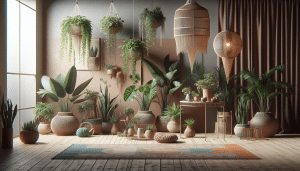
Finally, for those seeking creative expression, mixing various foliage textures and plant heights can transform home design. Experiment with hanging planters, plant shelves, or terrariums to multiply the visual effects without crowding limited floor space. Green walls or minimal window displays inspire both relaxation and celebration of nature indoors. In this way, the world of indoor plant care offers lasting rewards for mind, body, and design—all anchored in daily practice and attentive care.
References
1. Penn State Extension. (n.d.). Choosing Houseplants. Retrieved from https://extension.psu.edu/choosing-houseplants
2. Better Homes & Gardens. (n.d.). Houseplant Watering Guide. Retrieved from https://www.bhg.com/gardening/houseplants/care/houseplant-watering-guide
3. University of Minnesota Extension. (n.d.). Growing Houseplants Indoors. Retrieved from https://extension.umn.edu/houseplants/growing-houseplants-inside
4. Clemson Cooperative Extension. (n.d.). Indoor Plant Problems: Environmental Causes & Pest Control. Retrieved from https://hgic.clemson.edu/factsheet/indoor-plant-problems-environmental-causes-and-pest-control
5. Virginia Cooperative Extension. (n.d.). Growing Indoor Plants with Success. Retrieved from https://pubs.ext.vt.edu/publications/426/426-100/426-100.html
6. Bringslimark, T., Hartig, T., & Patil, G. G. (2011). Psychological Benefits of Indoor Plants in Workplaces. Retrieved from https://www.ncbi.nlm.nih.gov/pmc/articles/PMC4419447/

 Why You See So Much Climate News Lately