Secrets to Thriving Indoor Plants Revealed
Julian Novak September 27, 2025
Curious about keeping your home full of lush, vibrant indoor plants? Dive in as this guide unveils practical secrets for helping houseplants thrive, detailing care tips, common challenges, and ideas for cultivating greenery that enhances your living space.
Understanding Indoor Plant Needs for Optimal Growth
Indoor plants bring life and freshness to any home, but ensuring their success depends on understanding their unique needs. Unlike their outdoor cousins, houseplants often have specific lighting and moisture requirements that influence how well they grow. By learning how to assess light exposure in various rooms and matching plant species to those locations, enthusiasts can dramatically improve outcomes. Major considerations include the duration of sunlight, the intensity, and even the type of window glass in your home, as it can filter out important wavelengths for photosynthesis. Selecting appropriate containers and well-draining soil further supports healthy root development, setting the stage for robust growth and resilient foliage.
Humidity is another essential factor, especially for tropical varieties commonly found in popular indoor plant collections. Dry interior air, particularly during colder months, can stress plants, causing brown leaf tips or slowed development. Simple solutions like pebble trays, regular misting, or using a humidifier can effectively raise local humidity levels around your green companions. Monitoring moisture levels by gently probing the soil before each watering prevents accidental overwatering, which is a leading cause of root rot in houseplants. Mindful attention to these elements creates the stability needed for thriving indoor foliage.
Nutrition also plays a role. Most houseplants do not need constant feeding, but periodic applications of balanced, water-soluble fertilizer provide a steady supply of essential nutrients. Houseplants can outgrow their soil’s fertility, so this routine supports ongoing vigor. Monitoring plant appearance for signs of deficiency, such as yellowing leaves or stunted growth, allows you to adapt your care regimen. Responding promptly to plant needs based on environmental cues can make the difference between basic survival and lush vitality—proving that an attentive approach is always rewarded with greener results.
Choosing the Right Houseplants for Every Home
There are hundreds of options when it comes to picking the right houseplants for your living space. Factors like available light, airflow, and even your personal schedule influence which species will perform best. Low-light tolerant plants such as snake plant and pothos are ideal for darker corners, requiring little direct sunlight and forgiving occasional neglect. For plant lovers seeking burst of color, flowering varieties like peace lilies or African violets can flourish on bright, indirect windowsills. Understanding the core needs of each plant type ensures lasting satisfaction and reduces frustration, as some species are less forgiving of environmental fluctuations than others.
Homes with pets present another consideration, as certain common houseplants are toxic when chewed or ingested. Exploring options like spider plants, Boston ferns, and parlor palms allows you to curate a pet-friendly indoor garden. Research into the toxicity levels published by sources such as the ASPCA is a wise step before making a new addition (Source: https://www.aspca.org/pet-care/animal-poison-control/toxic-and-non-toxic-plants). Pairing safety with aesthetics means everyone—not just the plants—can thrive in the same space.
Finally, the scale and maintenance requirements of a plant should match your lifestyle. Busy individuals might gravitate toward succulents or ZZ plants, which resist drought and demand minimal attention. Those who enjoy nurturing can explore trailing or climbing plants, which benefit from regular pruning and occasional repotting. Matching your care style and available time to your plant choices lays the groundwork for long-lasting enjoyment and reduces the chances of disappointment from mismatched expectations.
Solving Common Indoor Plant Challenges
Brown leaves, wilting stems, or pest infestations—these troubles are familiar to many houseplant owners. The key is diagnosing the root cause rather than simply treating symptoms. Overwatering is a prevalent issue, often triggered by an eagerness to help plants flourish. However, excess moisture suffocates roots and encourages mold. Letting soil dry out between waterings, particularly for drought-tolerant varieties, helps reduce the risk. Observant plant owners notice subtle changes in leaf color or firmness, prompting timely intervention and healthier growth overall.
Pests such as spider mites or fungus gnats can establish themselves indoors, taking advantage of stable, sheltered settings. Isolating affected plants and gently cleaning leaves with diluted soap and water is an effective response. Integrating periodic inspections into your care routine nips infestations in the bud before they become widespread. Some plant enthusiasts also rotate natural pest repellents, such as neem oil—always following safety guidelines to avoid any negative side effects (Source: https://www.gardeningknowhow.com/plant-problems/pests/insects/neem-oil-for-plant-pests.htm).
Another common struggle involves light deficiency, which leads to pale or leggy plants. Addressing this challenge may require relocating pots closer to windows or supplementing natural sunlight with artificial grow lights. Specialized bulbs replicate the sun’s beneficial spectrum, making it possible to nurture a thriving indoor garden even in apartments or spaces with limited daylight exposure (Source: https://extension.unh.edu/resource/grow-lights-indoor-plants-fact-sheet). Adapting your strategy as seasons shift further strengthens plant resilience, revealing the dynamic nature of successful indoor gardening.
Designing Beautiful Spaces with Indoor Plants
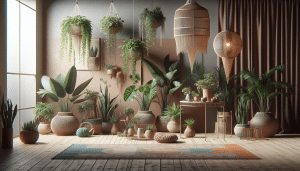
Integrating plants into home decor transforms even modest rooms by adding organic shapes and soothing color. The popularity of statement plants—such as monstera or fiddle leaf fig—lies in their visual impact and ability to soften hard architectural lines. Clustering multiple plants with varying heights creates depth and draws the eye. Hanging baskets or wall-mounted planters take advantage of vertical space, extending the garden effect throughout your home. Proper arrangement is both an artistic and practical exercise that enhances well-being while celebrating nature indoors.
Grouping plants with similar care requirements together streamlines maintenance and improves success rates. For example, tropical species benefit from a shared humid microclimate when placed close to each other. Creative placement around windowsills, shelves, and even bathrooms maximizes the opportunities for each plant to thrive. Balancing visual weight and color harmonizes your living space, encouraging a sense of calm that extends beyond the decorative purpose.
Plants can become focal points in interior design, directing attention and lending personality to your home. Unusual species or striking planters highlight your style preferences while starting conversations. Incorporating air-purifying plants, such as pothos and spider plant, offers dual benefits by refreshing both your environment and air quality (Source: https://www.epa.gov/indoor-air-quality-iaq/indoor-plants-and-air-quality). A thoughtfully curated indoor plant display offers ongoing rewards, blending utility with natural beauty in a seamless fashion.
Adapting Indoor Plant Care to the Seasons
Seasonal change impacts indoor gardening in subtle yet important ways. During winter, reduced sunlight and cooler temperatures slow growth, meaning plants need less water and fertilizer. Overwatering is especially risky in these months, so monitoring for subtle changes in moisture becomes even more critical. Moving pots away from cold drafts or heating vents protects sensitive foliage from sudden shocks, fostering stable conditions. Seasonal changes require a flexible approach to watering and feeding routines to best support ongoing vitality.
Spring often signals the active growth cycle for houseplants, encouraging the return of regular feeding with balanced fertilizers. Longer days prompt new leaves and, in some species, flowering. It’s an ideal moment for repotting root-bound plants and pruning damaged or leggy stems to reshape your green collection. Repotting not only refreshes the soil but stimulates new growth, offering the chance to divide and propagate beloved plants for broader impact in your home.
Summer requires diligent attention to watering needs, as higher temperatures and increased daylight can accelerate moisture loss. Grouping plants or deploying shade cloth can shield more delicate varieties from harsh sun. By autumn, as days shorten, transitioning toward dormant care and reducing feeding helps prepare your indoor plants for another winter rest period. Learning to recognize and anticipate seasonal plant needs fosters healthier specimens and deeper satisfaction in year-round gardening.
Tips for Propagating and Expanding Your Collection
Propagation transforms indoor gardening from a passive hobby into an interactive, rewarding pursuit. Many plants, including popular pothos, spider plant, and jade plant, can be multiplied at home using basic techniques. Stem and leaf cuttings are frequently used because of their simplicity and high success rates, requiring only clean scissors and a glass of water or moist potting medium. Watching roots form is a thrill, and sharing new plants with friends, family, or neighbors builds a sense of community around your gardening passion.
Division works well for clustered plants like ferns or peace lilies, providing an efficient way to refresh overgrown specimens. Gently separating root balls during repotting allows each division to flourish independently, often reinvigorating growth. Patience and gentle handling are essential, as shock from the process can slow recovery. Information about optimal timing and techniques is widely available from extension services and botanical gardens, supporting safe experimentation and learning (Source: https://hgic.clemson.edu/factsheet/indoor-plants-propagating-houseplants/).
Expanding your indoor jungle with homegrown plants not only saves money but ensures each addition has a history rooted in your care. Meticulous observation during the propagation process sharpens plant intuition, leading to better outcomes with mature specimens as well. From propagating a single leaf to growing a cutting into a mature plant, the journey invites creativity, experimentation, and lasting enjoyment. The more you learn, the more rewarding it becomes to watch your indoor landscape thrive, one plant at a time.
References
1. NASA. (n.d.). Indoor Plants for Indoor Air Pollution Abatement. Retrieved from https://archive.org/details/nasa_techdoc_19930072988
2. American Society for the Prevention of Cruelty to Animals. (n.d.). Toxic and Non-Toxic Plants. Retrieved from https://www.aspca.org/pet-care/animal-poison-control/toxic-and-non-toxic-plants
3. U.S. Environmental Protection Agency. (n.d.). Indoor plants and air quality. Retrieved from https://www.epa.gov/indoor-air-quality-iaq/indoor-plants-and-air-quality
4. Gardening Know How. (n.d.). Neem Oil for Plant Pests. Retrieved from https://www.gardeningknowhow.com/plant-problems/pests/insects/neem-oil-for-plant-pests.htm
5. University of New Hampshire Extension. (n.d.). Grow Lights for Indoor Plants. Retrieved from https://extension.unh.edu/resource/grow-lights-indoor-plants-fact-sheet
6. Clemson Cooperative Extension. (n.d.). Propagating Houseplants. Retrieved from https://hgic.clemson.edu/factsheet/indoor-plants-propagating-houseplants/

 What Happens When Misinformation Goes Viral