Simple Ways You Can Create a Pollinator-Friendly Garden
Julian Novak October 16, 2025
Want to welcome butterflies and bees into your yard? Discover practical tips for transforming your outdoor space into a pollinator-friendly garden. This guide covers design strategies, plant choices, and what you need to know to help wildlife thrive right at home.
Why Pollinator Gardens Matter to You and the World
Pollinator gardens play a crucial role in the health of our environment and food systems. Without bees, butterflies, and other pollinators, many of our favorite fruits and vegetables wouldn’t grow as abundantly. Home gardeners who dedicate space to these creatures contribute significantly to biodiversity and ecosystem balance. It’s a rewarding, beautiful way to connect your family with nature right outside your door. By attracting pollinators, you encourage natural plant reproduction and a thriving landscape that truly comes alive each season.
Beyond their environmental impact, pollinator-friendly spaces can influence property values and neighborhood appeal. Lush, colorful blooms not only provide essential nectar and habitat for insects, but also add curb appeal and serenity to any yard. Some studies suggest that well-designed gardens can even reduce stress for those who spend time in them. Imagine a calm morning spent sipping coffee alongside fluttering butterflies and the soft soundtrack of buzzing bees. This is how a pollinator habitat transforms ordinary outdoor living.
If you’re new to gardening, starting a pollinator garden can be surprisingly simple — no need for fancy equipment or endless expertise. Choosing the right pollinator plants and using sustainable gardening practices can set the foundation for long-term success. Your choices contribute to ongoing conservation efforts that benefit entire communities. For some, it even sparks educational opportunities and deeper love for backyard wildlife. Every little patch of pollinator habitat helps create a more resilient environment for years to come.
The Essentials of Pollinator-Friendly Plants
Choosing the right flowers is key when designing a pollinator-friendly garden. Native plants typically provide the best food sources for local pollinators since they’ve evolved together over centuries. Plants like milkweed, coneflower, bee balm, and lavender are fantastic starting points. Try to offer a continuous floral display from spring to fall by mixing early, mid, and late-blooming species. You’ll notice a steady flow of busy visitors throughout the growing season, bringing your garden to life in unique ways each week.
Color variety attracts different pollinators. Bees are especially drawn to blue, purple, and yellow blooms, while butterflies favor vibrant reds, oranges, and pinks. Meanwhile, hummingbirds will often seek out tubular-shaped flowers. Remember to avoid double-flowered varieties, as they sometimes produce less nectar and pollen. Clumping several of the same plant together creates a stronger visual signal and an ample feed for the pollinators. Consider also planting in organic soil to avoid chemical complexities that can impact insect health.
It doesn’t take a huge yard to make a noticeable impact. Even small garden beds or potted plants on patios can provide nourishment for traveling insects. Native groundcovers, wildflowers, and even edible herbs like basil and sage serve as practical additions. As you explore garden centers, keep an eye out for plants labeled as ‘pollinator-friendly’ or recommended by local extension programs. Your plant choices can build a thriving ecosystem, all while bringing bursts of color and life to every corner of your landscape.
Design Tips for A Thriving Pollinator Garden
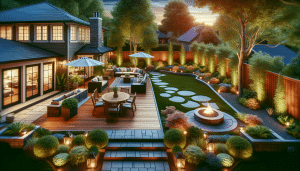
Layout and structure matter when converting any yard into pollinator habitat. Grouping similar flowers in clusters helps pollinators forage more efficiently, conserving their energy and giving them more reason to stick around. Aim for at least three feet of each plant type if possible. This approach is both aesthetically pleasing and functionally superior for attracting wildlife. Pathways and sitting areas can guide visitors through your garden while offering relaxing spots to observe nature.
Incorporate layers and varied heights to appeal to different pollinator species. Taller grasses and shrubs provide shelter and nesting space, while groundcovers and low flower beds welcome crawling insects. Placing water sources, like shallow dishes with stones, supports butterflies and bees needing a drink. Choose a location with plenty of sunlight, as most pollinator plants require at least six hours of sun daily to bloom their best. Consider the prevailing wind—windbreaks made of taller plants can create a calmer microclimate for fragile insect wings.
If you’re working with limited space, vertical gardens or wall-mounted planters are creative solutions. Balcony gardeners can attract pollinators using window boxes and railing containers full of diverse blooms. Even urban areas can join the pollinator movement through rooftop gardens or curbside plantings. It’s all about maximizing available surfaces to support insect life. With a thoughtful plan, any space can become a mini sanctuary for bees, butterflies, and beyond. Try mapping out your ideas on paper before planting so you can visualize the impact before digging in.
Sustainable Practices to Protect Pollinators
Creating a pollinator garden goes beyond what you plant; it’s how you care for your space that matters most. Avoiding pesticides, insecticides, and herbicides helps ensure visiting insects aren’t harmed by toxic chemicals. Many garden pests have natural predators—just another reason native plants and a healthy ecosystem thrive together. Hand-picking weeds and using mulch can suppress undesired growth without chemicals. Add compost to improve soil fertility and help your flowers produce more vibrant, nectar-rich blooms for all pollinators.
Pollinators also need habitat for nesting and overwintering. Leave some leaf litter in tucked-away corners and allow fallen sticks to stay, as these provide shelter for solitary bees and other insects. Dead wood and dried stems can be left standing in the off-season to support insect larvae through the winter months. Birdhouses and bee hotels are easy DIY projects that can house helpful species while bringing more wonder to your garden space. Supporting natural cycles reduces the need for artificial garden amendments and keeps your habitat healthy over time.
Mulching not only deters weeds but stabilizes soil moisture, reducing need for constant watering. Use organic mulch such as bark chips, grass clippings, or leaves to enrich your soil naturally. Overwatering or under-watering can stress plants and limit their benefit to pollinators. Try installing a rain barrel to catch water for your garden and help the environment at the same time. Sustainable gardening is about working with nature, not against it. The results—a resilient, vibrant pollinator habitat—speak for themselves.
Benefits of Building Community Pollinator Gardens
Pollinator-friendly gardening doesn’t need to stop at your fence line. Community gardens, schoolyards, and neighborhood spaces offer rich opportunities to create pollinator corridors. When many small habitats connect, pollinators have a safer and more diverse environment for feeding and breeding. Implementing these ideas together encourages environmental stewardship, knowledge sharing, and lasting friendships. Whether you’re collaborating with neighbors or volunteering at a city green space, your efforts multiply positive outcomes for everyone involved.
Involving others opens up opportunities for education, outreach, and hands-on learning. Children can watch transformation happen before their eyes, from tiny caterpillars to fluttering butterflies. Workshops and garden tours can teach residents about the importance of native plants and biodiversity. Community-wide events create a shared sense of pride and investment in local green spaces, helping pollinator populations rebound. There’s even evidence that access to green community spaces can support public health and wellness.
Grants and local government programs sometimes offer support for pollinator garden projects, especially when they serve educational or conservation goals. Residents may find resources through cooperative extensions or city environmental offices. Whether big or small, every new garden patch offers habitat connectivity that boosts resilience for wildlife. Community action on pollinator conservation sends a powerful message about cooperation between people and the natural world. Imagine your community teeming with butterflies, bees, and the joys of shared stewardship.
Getting Started With Your Own Pollinator Oasis
Embarking on your pollinator garden journey starts with observing nature in your yard or neighborhood. Notice which insects visit existing flowers and what native species thrive locally. Use this information to guide your plant selections and site planning. Most nurseries and garden centers offer pollinator-friendly labels to help your choices. Don’t be afraid to start small—one bed or a few planters can have a big impact.
Track your garden’s progress in a journal or on your phone. Note which flowers attract the most visitors, how your space changes with the seasons, and what surprises you along the way. Friends and family may notice more wildlife in your yard, sparking conversation and interest in creating pollinator habitats themselves. Sharing your experiences online, or through local gardening clubs, strengthens the reach of pollinator-friendly gardening movements.
Stay flexible and patient—gardens evolve through lessons and experimentation. Some plants may thrive while others don’t return the following season, and that’s part of the joy. With each year, you’ll enjoy both immediate beauty and long-term connection to the rhythms of the natural world. Whenever you spot a bee or butterfly visiting your blossoms, you’ll know your efforts are part of a much bigger puzzle. Explore more about pollinator gardening, and become a champion for your corner of the planet.
References
1. The Xerces Society. (n.d.). Pollinator Conservation. Retrieved from https://xerces.org/pollinator-conservation
2. U.S. Fish & Wildlife Service. (n.d.). Gardening for Pollinators. Retrieved from https://www.fws.gov/story/gardening-pollinators
3. National Wildlife Federation. (n.d.). How to Create a Pollinator Garden. Retrieved from https://www.nwf.org/garden-for-wildlife/pollinators
4. Pollinator Partnership. (n.d.). Selecting Plants for Pollinators. Retrieved from https://www.pollinator.org/guides
5. USDA Forest Service. (n.d.). Gardening for Bees. Retrieved from https://www.fs.usda.gov/wildflowers/pollinators/gardening.shtml
6. University of Minnesota Extension. (n.d.). Planting and Caring for Pollinator Gardens. Retrieved from https://extension.umn.edu/lawns-and-landscapes/planting-and-caring-pollinator-gardens

 Affordable Housing Secrets You Might Not Expect