Smart Home Devices That Improve Efficiency
Julian Novak September 22, 2025
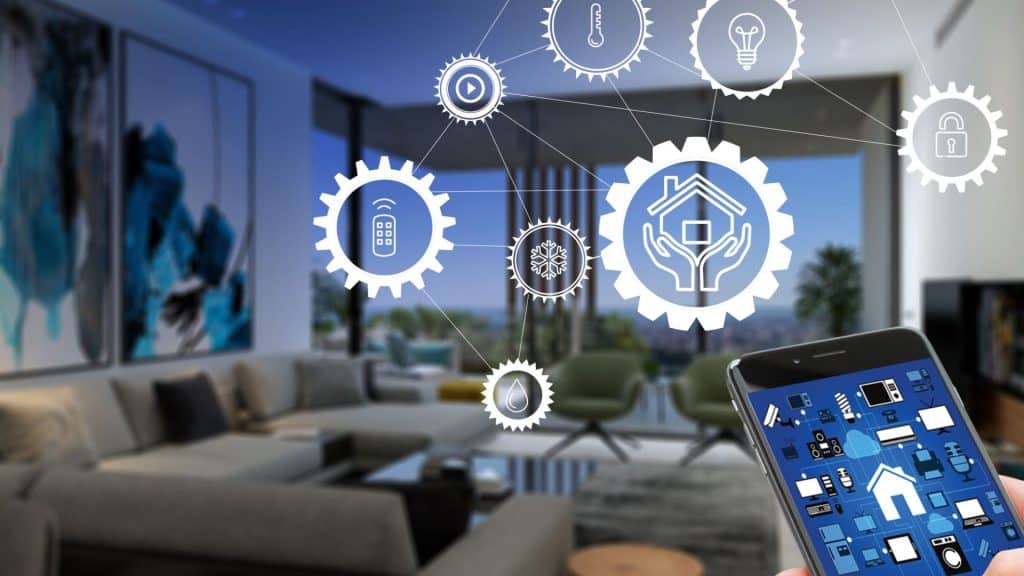
Smart home devices are no longer futuristic luxuries. In 2025, they’ve become essential tools that transform the way households operate, improving efficiency, saving energy, and simplifying everyday routines. With more people working from home and prioritizing sustainability, the demand for intelligent solutions that streamline daily life is growing rapidly. In this article, we’ll explore the most impactful trends in smart home devices that improve efficiency, highlight their benefits, and provide practical insights on how these technologies are shaping modern living.
Why Efficiency Matters in Smart Homes
Efficiency in the home isn’t just about saving time—it’s also about reducing costs, minimizing environmental impact, and enhancing comfort. Smart devices that optimize resource use, automate repetitive tasks, and adapt to lifestyle patterns help homeowners achieve all three goals.
- Time savings: Automation takes care of everyday routines like adjusting lights, setting thermostats, or brewing coffee.
- Cost reduction: Intelligent energy and water management lower utility bills.
- Sustainability: By cutting waste, smart systems reduce a household’s carbon footprint.
According to a 2024 Statista report, the global smart home market is expected to exceed 230 billion dollars by 2028, with energy management and home automation leading the growth (Statista, 2024). This reflects a shift from “nice-to-have” gadgets to functional systems designed to improve overall quality of life.
Key Trends in Smart Home Devices That Improve Efficiency
1. AI-Powered Energy Management Systems
Energy consumption is a growing concern worldwide, and households are adopting AI-enabled systems to gain better control. These devices analyze usage patterns in real time and automatically adjust appliances and HVAC systems to reduce waste.
- Smart thermostats, such as Google Nest and Ecobee, learn user behavior to balance comfort with energy savings.
- AI platforms now connect multiple devices, optimizing energy usage across lighting, heating, and appliances.
- Predictive algorithms anticipate needs, like cooling the house before you arrive, without running systems all day.
A report from the International Energy Agency (IEA) notes that smart energy systems can cut household electricity consumption by up to 20% (IEA, 2024). That translates into both financial savings and environmental benefits.
2. Smart Appliances That Think for You
Appliances are getting smarter and more proactive in managing household chores.
- Refrigerators now track expiration dates, suggest recipes, and even place grocery orders when you’re running low.
- Ovens allow remote preheating and automatically adjust cooking times to avoid overuse of energy.
- Washing machines adjust water levels based on load size, saving gallons of water per cycle.
These innovations reduce waste, improve convenience, and help households avoid unnecessary spending. They also integrate with mobile apps so users can manage tasks from anywhere.
3. Automated Home Security and Monitoring
Home security systems are evolving beyond safety to improve efficiency.
- Smart cameras now use AI to distinguish between family members, pets, and strangers, reducing false alarms.
- Smart locks allow remote access, eliminating wasted trips or lost key problems.
- Integrated security systems connect to lighting and appliances—such as turning lights on when motion is detected.
According to a 2025 Parks Associates study, nearly 60% of smart home owners say security features are their top reason for adopting new devices (Parks Associates, 2025). Efficient monitoring gives households peace of mind while saving time and energy.
4. Voice Assistants as Home Hubs
Voice assistants like Amazon Alexa, Google Assistant, and Apple’s Siri are evolving beyond simple command-and-response. They now act as centralized hubs that connect all smart devices.
- Create automated routines (“Good Morning” or “Bedtime”) to control multiple devices with one phrase.
- Use predictive suggestions, such as reminding you to turn off lights when you leave.
- Seamlessly integrate entertainment, productivity, and household management.
This integration reduces the need to juggle multiple apps, saving time and effort daily.
5. Smart Water Management
Water efficiency is gaining attention as sustainability becomes a top priority.
- Smart irrigation systems adjust watering schedules based on local weather forecasts and soil sensors.
- Leak detection devices send instant alerts to prevent waste and costly damage.
- Touchless faucets and water monitors help conserve usage without sacrificing convenience.
These devices are especially valuable in areas facing water scarcity. By combining conservation with automation, households can save thousands of liters annually.
6. Interoperability and the Matter Standard
One of the biggest frustrations for early adopters of smart devices was compatibility. In 2025, the adoption of the Matter standard—a universal protocol supported by major companies like Apple, Google, and Amazon—is solving this issue.
- Devices from different brands now communicate seamlessly.
- Users don’t need multiple hubs or apps, reducing setup complexity.
- Interoperability improves efficiency by centralizing control.
Matter ensures that homeowners can focus on using their devices rather than troubleshooting connections.
Practical Guide: How to Choose Smart Home Devices That Improve Efficiency
If you’re considering upgrading your home, here’s a step-by-step guide to make smart choices:
- Identify Priorities
- Decide whether your main focus is energy savings, security, or convenience.
- Check Compatibility
- Ensure new devices support Matter or your preferred ecosystem (Alexa, Google, or Apple).
- Review Data Privacy
- Opt for brands that are transparent about data collection and provide security updates.
- Evaluate Long-Term Value
- Look at software support, warranty terms, and reputation for durability.
- Explore Automation Features
- Choose devices that adapt to your lifestyle, such as AI-driven learning systems.
- Start Small, Scale Later
- Begin with a thermostat or smart lighting, then expand as needs grow.
This phased approach ensures efficiency improvements without overwhelming complexity or high upfront costs.
Real-World Example: A Day in a Smart Home
Imagine a weekday morning in a fully optimized smart home:
- At 7:00 AM, your smart thermostat gently adjusts the temperature for comfort.
- The coffee maker starts brewing, triggered by a voice assistant routine.
- Lights turn on gradually, mimicking natural sunrise to improve mood.
- The refrigerator sends a reminder that you’re low on eggs, suggesting recipes for breakfast.
- While leaving for work, the security system automatically locks doors, adjusts lighting, and reduces HVAC energy use.
This scenario illustrates how smart home devices that improve efficiency aren’t just convenient—they create a seamless daily flow while reducing resource waste.
The Future of Smart Homes
The future points toward predictive and adaptive systems where homes manage themselves. HVAC systems may soon predict weather changes before they happen, kitchens could automatically order groceries based on consumption, and entire homes may optimize resources without human input.
These technologies will continue to make households more sustainable while giving homeowners back time and mental bandwidth. As adoption grows, smart home devices that improve efficiency will set the standard for comfortable, cost-effective, and environmentally responsible living.
References
- Statista. (2024). Smart Home Market Revenue Forecast 2023–2028. Available at: https://www.statista.com (Accessed: 22 September 2025)
- International Energy Agency (IEA). (2024). Digitalization and Energy Efficiency. Available at: https://www.iea.org (Accessed: 22 September 2025)
- Parks Associates. (2025). Smart Home Adoption and Consumer Insights Report. Available at: https://www.parksassociates.com (Accessed: 22 September 2025)

 Emerging Trends in Startup Funding and Investment