Smart Home Innovations That Save Time and Energy
Julian Novak September 25, 2025
In today’s world, efficiency matters more than ever. People are juggling busy schedules, working longer hours, and looking for ways to live more sustainably. This is where smart home innovations that save time and energy step in—not as futuristic dreams, but as practical, accessible tools that are already reshaping daily life.
The most exciting development driving this transformation is AI-powered automation. No longer limited to simple voice commands or programmable timers, today’s smart devices learn, adapt, and optimize themselves in real time. From thermostats that adjust to your habits to refrigerators that order groceries before you run out, AI-enhanced systems are taking smart living to the next level.
This expanded guide explores the latest smart home innovations, their role in saving time and energy, the sustainability impact, challenges to consider, and practical tips for getting started.
The Growing Demand for Smart Homes
The smart home industry is booming. According to Statista, the global market is expected to surpass $230 billion by 2028, with more than 450 million households adopting at least one smart device. This growth is driven by two key forces:
- Convenience: Homeowners want to automate repetitive tasks and streamline daily routines.
- Sustainability: With rising energy costs and climate concerns, efficient devices are seen as both money-savers and environmentally responsible choices.
Consumers aren’t just buying gadgets for novelty—they’re investing in systems that make life easier and align with long-term goals of energy conservation and sustainability.
Smart Home Innovations That Save Time and Energy
1. AI-Enhanced Smart Thermostats
Smart thermostats like the Google Nest Learning Thermostat or Ecobee SmartThermostat do more than adjust heating and cooling—they learn. By analyzing patterns such as when you’re home, asleep, or away, these devices automatically create energy-efficient schedules.
- Time savings: No need to constantly adjust the thermostat.
- Energy savings: The U.S. Department of Energy reports households can save 10–15% on heating and cooling annually.
- Extra value: Many integrate with smart assistants, allowing control through voice or mobile apps.
Case in point: A study by Nest found that households using its learning thermostat saved an average of 131–145 dollars annually on energy bills.
2. Smart Lighting Systems
Lighting accounts for around 15% of household electricity use. AI-powered systems like Philips Hue and LIFX now adjust based on occupancy, time of day, and natural light availability.
- Lights automatically dim during daylight, turn off when no one is in the room, or sync with daily routines.
- Some systems allow remote management, so you never waste energy leaving lights on while away.
For busy households, this means less time flipping switches and more consistent energy savings.
3. Energy-Optimized Appliance
Appliances are catching up fast in the smart home revolution. Companies like Samsung, LG, and Whirlpool are rolling out AI-enabled washers, dryers, ovens, and refrigerators.
- Washing machines: Detect load size and fabric type to optimize water and detergent use.
- Refrigerators: Track expiration dates and suggest recipes, reducing food waste.
- Dishwashers: Run cycles during off-peak energy hours to save money.
These devices combine time-saving features (like predictive maintenance alerts) with sustainability by ensuring minimal waste.
4. Voice-Activated Home Management
Smart speakers and voice assistants—Amazon Alexa, Google Assistant, Apple HomePod—are evolving into true home managers. Beyond reminders or music, they now:
- Create personalized “routines” (e.g., dimming lights, lowering blinds, and adjusting temperature at bedtime).
- Manage multiple devices at once with a single command.
- Provide insights into energy consumption or suggest energy-saving actions.
This means homeowners spend less time adjusting individual devices and more time enjoying seamless living.
5. Smart Energy Monitoring Systems
One of the most underrated innovations is real-time energy monitoring. Systems like Sense Energy Monitor or Schneider Electric’s Wiser Energy give homeowners a detailed breakdown of electricity use.
- Identify the most power-hungry devices.
- Track energy trends over time.
- Provide suggestions for cutting costs.
With this knowledge, households can adjust habits, upgrade inefficient appliances, and even integrate solar energy more effectively.
Beyond Devices: The Ecosystem Effect
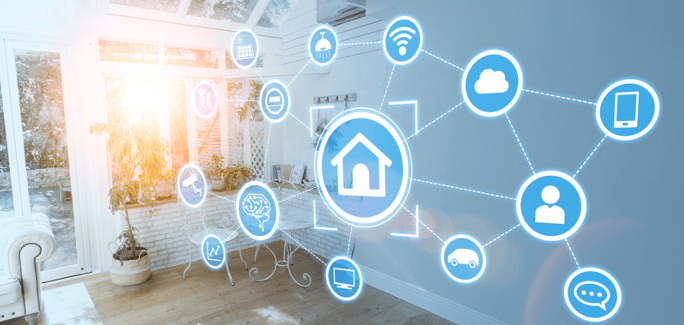
What makes these innovations powerful is not just the devices themselves, but how they interconnect. AI enables a true ecosystem:
- A smart thermostat talks to your blinds, lowering them during hot afternoons to reduce cooling demand.
- Your washing machine communicates with the energy monitor to run cycles when electricity is cheapest.
- Voice assistants serve as the central hub, coordinating multiple devices for maximum efficiency.
This interconnectedness amplifies both time and energy savings.
The Sustainability Factor
The environmental impact of smart home innovations that save time and energy is significant. According to the International Energy Agency, smart technologies could reduce residential energy use globally by up to 20% by 2040.
- Lower Carbon Footprints: More efficient energy use translates into fewer greenhouse gas emissions.
- Waste Reduction: Smart refrigerators and connected appliances cut down on food and resource waste.
- Grid Stability: By running appliances during off-peak hours, smart homes help stabilize energy grids, reducing strain on infrastructure.
Sustainability is not just a bonus—it’s becoming a major reason why people adopt smart systems.
Challenges and Considerations
While the benefits are clear, adopting smart home technology isn’t without challenges:
- Upfront Costs: Many smart devices are still more expensive than traditional options.
- Data Privacy: Connected devices gather large amounts of data, raising concerns about cybersecurity.
- Interoperability: Not all devices work seamlessly together, requiring homeowners to choose carefully.
- Learning Curve: While designed to simplify life, smart ecosystems require setup and initial adjustment.
Awareness of these factors helps homeowners make informed decisions.
Practical Tips for Getting Started
If you’re considering building a smart home, here are some steps to ensure a smooth transition:
- Define Your Goals: Focus first on whether you want to save time, reduce energy bills, or improve sustainability.
- Start with Core Devices: Thermostats, lights, and appliances are high-impact starting points.
- Choose a Hub: Select a main system like Alexa, Google Home, or Apple HomeKit to coordinate devices.
- Think Long-Term: Invest in devices that are upgradable with software updates.
- Prioritize Security: Change default passwords, use two-factor authentication, and buy from reputable brands.
- Measure Your Savings: Use monitoring apps to track energy and time savings to confirm value.
Looking Ahead: The Future of Smart Homes
The future of smart home innovations that save time and energy lies in even deeper AI integration and broader sustainability features. Key trends include:
- AI-Powered Prediction: Homes that anticipate needs before you act, like heating a room before you wake up.
- Integration with Renewable Energy: Smart devices syncing with solar panels or electric vehicle charging.
- Health and Wellness Features: Air quality sensors, circadian lighting, and appliances that promote healthier living.
- Community-Connected Homes: Sharing energy data with local grids for smarter, community-wide efficiency.
Within the next decade, what we now call “smart” will likely become standard in most households.
Conclusion
The rise of smart home innovations that save time and energy is transforming modern living. From AI-driven thermostats and lighting systems to energy-optimized appliances and monitoring hubs, these tools deliver measurable benefits in convenience, cost savings, and sustainability.
Yes, challenges like cost, privacy, and interoperability remain. But the long-term benefits—financial savings, reduced environmental impact, and time efficiency—make adoption worthwhile for many households.
As AI technology advances and integration improves, smart homes are set to move from luxury to necessity. Homeowners who invest now are not only simplifying their routines but also contributing to a more sustainable future.
The key takeaway: Smart homes aren’t just about gadgets—they’re about living better, smarter, and greener.
References
- International Energy Agency. (2023). Energy efficiency and digitalization. https://www.iea.org/reports/energy-efficiency-and-digitalisation
- U.S. Department of Energy. (2024). Thermostats and control systems. https://www.energy.gov/energysaver/thermostats-and-control-systems
- Statista. (2024). Smart home market worldwide. https://www.statista.com/outlook/tmo/smart-home/worldwide

 Secrets You Miss About Building Passive Income Streams