Gardening Practices That Promote Sustainability
Julian Novak October 1, 2025
The gardening world is undergoing a green revolution. With climate change becoming an undeniable global issue, sustainable gardening practices are more important than ever. As we enter 2025, gardeners are adopting eco-friendly methods that not only nurture the earth but also cut down on water usage, reduce carbon footprints, and promote biodiversity. This article explores the top sustainable gardening practices and trends emerging this year.
What is Sustainable Gardening?
Sustainable gardening refers to methods that minimize environmental impact while enhancing the beauty and productivity of gardens. It involves using natural resources efficiently, supporting local wildlife, and maintaining soil health. Here’s why more gardeners are making the shift towards sustainability:
- Environmental Benefits: Reducing water consumption, energy use, and waste.
- Biodiversity Promotion: Encouraging a variety of plant species and attracting pollinators like bees and butterflies.
- Cost-Effectiveness: Many sustainable practices, such as composting, can save you money in the long run.
The growing trend toward sustainability in gardening isn’t just about caring for the environment. It’s also a proactive way to help reduce the pressure on our ecosystems, mitigate the effects of climate change, and foster a healthier future for generations to come. With new technologies and practices emerging every year, 2025 promises to be a game-changer for eco-conscious gardeners.
Top 5 Sustainable Gardening Practices for 2025
1. Rainwater Harvesting
Water is becoming an increasingly precious resource, especially in regions facing droughts. Rainwater harvesting is one of the most effective sustainable practices that gardeners are using to conserve water.
- How It Works: Rainwater is collected through gutters and directed into storage tanks. The water can then be used for irrigation, reducing reliance on municipal water supplies.
- Benefits: Harvesting rainwater cuts down on water bills and reduces the strain on local water systems. Additionally, rainwater is often “softer” than tap water, which is better for plants as it lacks the salts and chemicals found in most municipal water.
In 2025, rainwater harvesting systems are becoming more sophisticated. Homeowners can now invest in automated systems that direct rainwater to different parts of the garden based on real-time moisture data.
2. Native Plant Landscaping
Another significant trend in sustainable gardening is the shift towards native plants. These plants are well-suited to the local climate and require less maintenance and water compared to non-native species. Native plants also provide vital support for local wildlife, especially pollinators like bees, butterflies, and birds.
- Why Native Plants?: They naturally thrive in the local environment, reducing the need for fertilizers, pesticides, and frequent watering. This makes them a more eco-friendly and cost-effective option.
- Examples: In the U.S., popular native plants include Coneflowers, Black-eyed Susans, and Milkweed, all of which are great for attracting pollinators.
By replacing non-native species with local plants, gardeners can reduce their environmental impact while enhancing biodiversity. As the trend continues into 2025, gardeners are choosing native plants not only for their environmental benefits but also for their aesthetic qualities. The vibrant colors and diverse textures they offer make for beautiful, low-maintenance gardens.
3. Vertical Gardens for Small Spaces
In urban areas, where space is limited, vertical gardening has emerged as a revolutionary trend. Instead of expanding gardens horizontally, gardeners are growing upwards—on walls, fences, and specialized structures.
- Advantages: Vertical gardens maximize available space, reduce soil erosion, and help insulate buildings by providing a green shield from heat and cold. These gardens are particularly valuable for apartment dwellers and those with limited yard space.
- What to Grow: Vegetables like tomatoes, leafy greens, and herbs are ideal for vertical gardens, along with flowers such as Nasturtiums and Morning Glories. These plants can thrive in vertically-oriented spaces, helping to optimize space while still offering plenty of fresh food and beauty.
In 2025, vertical gardening is poised to become even more advanced, with innovations in modular planters and irrigation systems that simplify the process.
4. Composting for Healthy Soil
Creating nutrient-rich soil from organic waste has become a fundamental practice in sustainable gardening. Composting is both simple and highly effective, offering immense benefits to both the garden and the planet. By recycling kitchen scraps, yard waste, and other organic materials, gardeners can improve soil health, reduce the need for chemical fertilizers, and divert waste from landfills. This process not only nourishes plants but also contributes to a healthier environment by minimizing greenhouse gas emissions.
- How It Helps: Composting reduces the need for chemical fertilizers, which can be harmful to the environment. It also enriches the soil with organic matter, promoting healthier plants and better water retention. In addition, composting diverts waste from landfills, reducing greenhouse gas emissions.
- Eco-Impact: By using kitchen scraps, yard waste, and other organic materials, gardeners can reduce the amount of waste sent to landfills, where it would otherwise decompose anaerobically and produce methane—a potent greenhouse gas.
Gardeners in 2025 are exploring ways to speed up the composting process with new technologies like compost tumblers, which make it easier to create nutrient-rich compost in less time.
5. Green Manures and Cover Crops
One of the most effective ways to improve soil health in a sustainable garden is by using cover crops and green manures. These plants are grown primarily to enrich the soil, not to harvest.
- Examples: Legumes such as clover, beans, and peas are often used as cover crops. These plants naturally fix nitrogen in the soil, improving fertility without synthetic fertilizers.
- Benefits: Cover crops prevent soil erosion, enhance soil structure, and increase the number of beneficial microorganisms in the soil. After they are grown, the plants are plowed into the soil, where they decompose and release their nutrients.
Green manures and cover crops are gaining popularity in 2025 as gardeners recognize their vital role in promoting sustainable farming practices. These crops also help manage soil moisture, reduce weed growth, and keep the soil active during the off-season.
Emerging Trends in Sustainable Gardening
1. Smart Gardening with Technology
As technology continues to revolutionize various aspects of life, it’s no surprise that it’s making its way into the garden. Smart gardening tools—such as automated irrigation systems, plant sensors, and AI-powered apps—are helping gardeners make more eco-friendly decisions and reduce resource consumption.
- Smart Irrigation: New moisture sensors can track the soil’s moisture level and automatically activate irrigation systems only when necessary, reducing water wastage.
- AI Gardening Apps: Apps like “Gardenize” and “PlantNet” allow gardeners to track plant health, plan their gardens, and monitor environmental conditions, making gardening easier and more efficient.
In 2025, these technologies will continue to evolve, with even more advanced tools available to help gardeners use water, energy, and resources more effectively.
2. Eco-Friendly Garden Tools
The market for sustainable garden tools is growing rapidly. Innovations in eco-friendly garden tools are changing the way gardeners work. Battery-powered lawnmowers, solar-powered garden lights, and ergonomic, recycled tools are becoming the norm.
- Why Eco-Friendly Tools?: These tools reduce emissions, use renewable energy, and minimize waste. They are designed to last longer and be more durable, making them an environmentally conscious choice for both amateur and professional gardeners.
As gardeners become more conscious of their environmental impact, the demand for these sustainable tools is expected to rise.
3. Urban Farming and Local Food Production
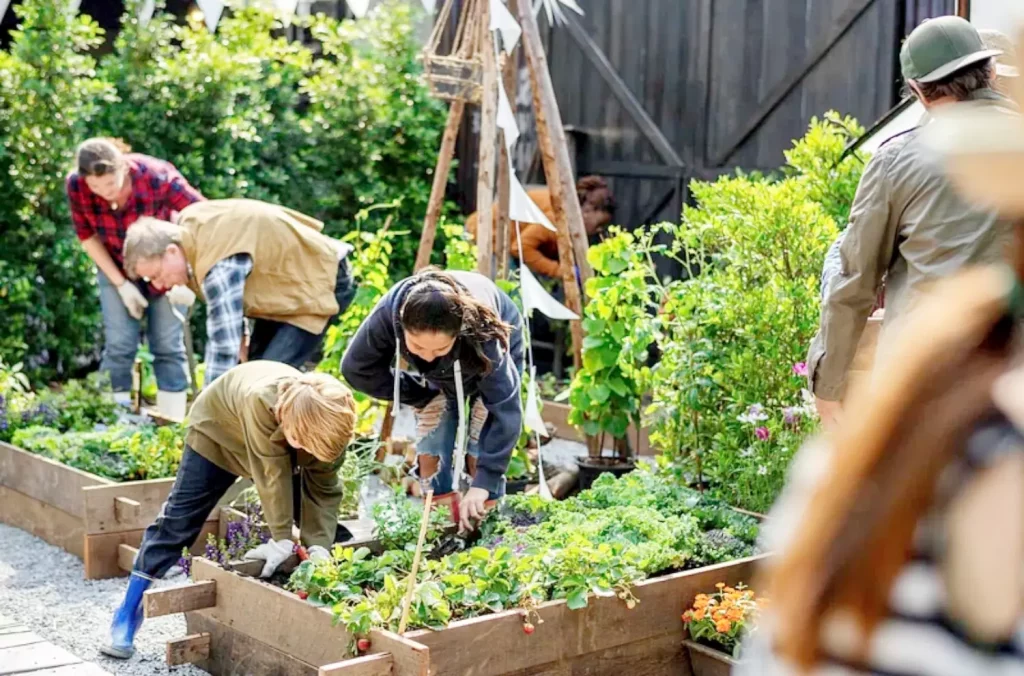
Urban farming is an emerging trend that combines sustainability and self-sufficiency. In response to rising concerns over food security and the environmental impact of long-distance food transportation, urban farms, rooftop gardens, and community gardens are becoming more prevalent.
- Benefits: Growing food locally helps reduce food miles, cuts down on packaging waste, and makes fresh, healthy food more accessible to urban populations.
- What to Grow: Vegetables like kale, tomatoes, and herbs are ideal for urban farming, and many city dwellers are even growing fruit trees and small livestock like chickens in urban environments.
Urban farming is transforming the way we think about food production. As we move further into 2025, it is becoming clear that growing food closer to home is not only possible but essential.
Tips for Starting Your Sustainable Garden
- Plan Ahead: Research your local climate, native plants, and soil types to design a garden that thrives with minimal environmental impact.
- Use Sustainable Materials: Choose eco-friendly pots, organic fertilizers, and biodegradable mulch.
- Start Small: Begin with a small section of your garden and gradually expand as you become more familiar with sustainable practices.
- Focus on Biodiversity: Plant a variety of species to create a balanced ecosystem that supports local wildlife and pollinators.
Conclusion
Sustainable gardening is no longer a niche trend—it’s becoming a mainstream practice. Whether you’re a seasoned gardener or just getting started, adopting these eco-friendly practices will not only benefit your garden but also the planet. As we move forward in 2025, the future of gardening is green, innovative, and vital to our environmental well-being. By integrating sustainable gardening practices into our daily lives, we can all make a positive impact on the planet, one plant at a time.
References
- Jones, S. (2023). Rainwater harvesting: A sustainable solution for urban gardening. Available at: https://www.greengardeners.org (Accessed: 1 October 2025)
- Smith, L. (2024). The rise of native plant landscaping in sustainable gardening. Available at: https://www.environmentalgardeningjournal.com (Accessed: 1 October 2025)
- Williams, P. (2023). Vertical gardening and the future of urban farming. Available at: https://www.urbanfarmingtoday.com (Accessed: 1 October 2025)

 Wellness Routines That Boost Productivity