Tips for Sustainable Home Renovations
Julian Novak September 18, 2025
Home renovations have come a long way in recent years, especially in the realm of sustainability. As more homeowners seek to reduce their environmental footprint, sustainable home renovations have emerged as a powerful tool for improving energy efficiency, conserving natural resources, and enhancing property value. With an increasing number of homeowners becoming conscious of their energy consumption and the state of the planet, the demand for eco-friendly upgrades is higher than ever.
Whether you’re looking to make small tweaks or go all out on a major remodel, there are numerous sustainable home renovation ideas that can improve your home’s efficiency while benefiting the environment. Not only are these upgrades beneficial for the planet, but they also help lower your utility bills, reduce long-term maintenance costs, and even increase your home’s value. In this guide, we’ll walk you through five emerging trends in sustainable home renovations and provide practical tips on how to incorporate them into your own home.
1. Go Solar with Affordable Financing Options
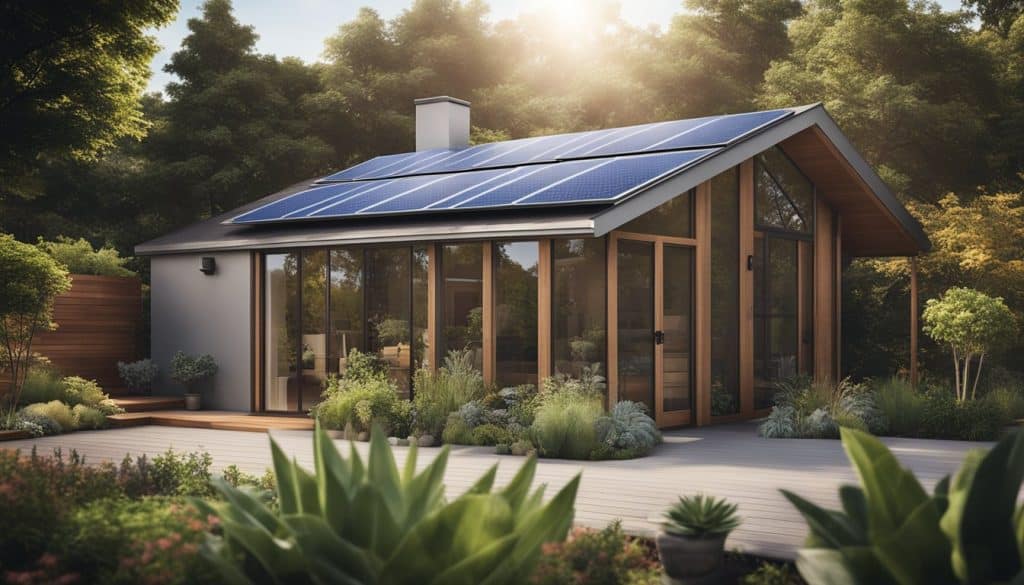
Solar energy is one of the most popular and sustainable home renovation trends today, and for good reason. Solar panels can dramatically reduce your electricity costs by harnessing the sun’s energy and converting it into usable power for your home. In fact, solar panels can cut energy bills by 70% or more depending on the size of your system and your energy needs. With growing awareness about climate change, many homeowners are looking for ways to reduce their carbon footprints, and solar power is one of the most effective solutions.
Moreover, the cost of installing solar panels has decreased significantly over the years. Many government programs and incentives now offer grants for solar installation. For example, homeowners can access grants of up to $25,000, making it more affordable than ever to upgrade to solar power.
Tip: Be sure to explore available solar energy grants and incentives. With various programs offering financial assistance, you can drastically reduce your initial investment and make the switch to clean energy with minimal upfront costs.
Tip: Select high-efficiency solar panels to ensure you’re getting the best return on investment. Many newer panels offer better efficiency rates and durability, meaning they will provide more energy savings over time.
2. Energy-Efficient Windows and Insulation
Upgrading your windows and insulation is a cost-effective way to improve your home’s energy efficiency. Did you know that nearly 30% of a home’s heating and cooling energy is lost through windows? Replacing old windows with energy-efficient ones helps reduce this loss and makes your home more comfortable year-round. Double or triple-glazed windows are designed to keep heat in during the winter and block unwanted heat during the summer, reducing your heating and cooling costs.
Similarly, proper insulation is essential for reducing energy waste. Outdated insulation in attics, walls, or floors can let air escape, making it harder to maintain your home’s temperature. By upgrading insulation materials such as fiberglass, cellulose, or spray foam, you can prevent this heat loss and reduce the strain on your heating and air conditioning systems.
Tip: Invest in double or triple-glazed windows to improve your home’s insulation and lower energy bills. Windows with low-E coatings can also help reduce heat transfer, keeping your home cooler in the summer and warmer in the winter.
Tip: Ensure your attic and walls are properly insulated. This is one of the most cost-effective ways to reduce your energy consumption and improve overall comfort.
3. Sustainable Flooring Choices
When it comes to sustainable flooring, the options available today are more stylish, affordable, and eco-friendly than ever before. Traditionally, hardwood floors were seen as the gold standard in flooring. However, sourcing hardwood can lead to deforestation, and the manufacturing process is energy-intensive. Fortunately, sustainable alternatives have emerged that offer durability, beauty, and eco-friendliness.
Materials such as bamboo, cork, and reclaimed wood are gaining popularity in modern homes. Bamboo is particularly appealing because it is a fast-growing grass, meaning it regenerates quickly and doesn’t require replanting. Cork, harvested from the bark of cork oak trees, is another great sustainable option, and it’s naturally antimicrobial, hypoallergenic, and sound-absorbent. Finally, reclaimed wood is sourced from deconstructed buildings, ensuring that no new trees are cut down.
Tip: Opt for bamboo flooring to enjoy a renewable, durable, and low-maintenance flooring option that’s perfect for both modern and rustic interiors.
Tip: Consider using reclaimed wood for a unique, environmentally-friendly flooring option that gives your home character while also promoting sustainability.
4. Water-Efficient Fixtures and Appliances
Water conservation is a critical aspect of sustainable home renovations. With droughts becoming more frequent and severe in many regions, it’s essential to take steps to reduce water usage in our homes. Installing low-flow faucets, water-saving showerheads, and high-efficiency toilets are some of the most popular ways to reduce water consumption.
In addition to fixtures, many homes today are upgrading their appliances to water-efficient models. Dishwashers, washing machines, and water heaters are now available with Energy Star ratings that ensure they use less water and energy, reducing both utility costs and your environmental impact.
Tip: Install low-flow faucets and water-saving showerheads to reduce water usage without compromising on performance. These simple upgrades can help you save gallons of water every day.
Tip: Consider replacing old appliances with Energy Star-rated models that use less water and electricity. Many utilities offer rebates for upgrading to energy-efficient appliances, making this a smart financial and environmental choice.
5. Landscaping for Sustainability
Your home’s outdoor space also plays an important role in your sustainability efforts. Sustainable landscaping practices not only improve the aesthetic appeal of your yard but also conserve natural resources. Xeriscaping, which involves using drought-tolerant plants, is one of the most effective ways to reduce water usage in your garden. By choosing native plants that require less water and maintenance, you can create a beautiful landscape that thrives in your local climate.
Another sustainable landscaping option is to install a rainwater harvesting system, which collects and stores rainwater for irrigation. This helps conserve potable water and reduces reliance on municipal water supplies.
Tip: Use native plants in your landscaping to create a low-maintenance, water-efficient garden that doesn’t require excessive watering or chemical treatments.
Tip: Install a rainwater harvesting system to collect and store water for irrigation. This simple system can save you money on water bills while reducing your environmental impact.
Conclusion
Sustainable home renovations are an investment in both your property and the planet. By integrating energy-efficient upgrades, eco-friendly materials, and water-saving technologies, you can create a more comfortable, cost-effective, and environmentally responsible home. Additionally, many government incentives and financial programs are available to help reduce the costs of these upgrades, making them more accessible to homeowners than ever before.
Whether you’re looking to lower your utility bills, reduce your carbon footprint, or simply enhance your home’s value, embracing sustainable renovations is a smart move. Start with a few easy upgrades, and over time, your home will become an eco-friendly sanctuary that’s both beautiful and efficient.
References
- U.S. Department of Energy. (2022). Solar energy technologies office: Solar energy basics. U.S. Department of Energy. Available at: https://www.energy.gov (Accessed: 18 September 2025)
- Energy Star. (2021). Energy-efficient home improvements. U.S. Environmental Protection Agency. Available at: https://www.energystar.gov (Accessed: 18 September 2025)
- American Institute of Architects. (2020). Sustainable home design and construction. American Institute of Architects. Available at: https://www.aia.org (Accessed: 18 September 2025)

 Creative Approaches to Preventive Healthcare