You Deserve a Space That Grows With You
Julian Novak September 25, 2025
Step inside the fascinating world of sustainable indoor gardens, where home decor meets nature and every square foot can blossom with life. This guide unlocks the secrets to thriving indoor spaces, providing insights into plant selection, natural lighting, easy maintenance, and creative design that fit a wide range of lifestyles.
Bringing Nature Inside: Why Indoor Gardens Matter
Designing an indoor garden is more than a decorative decision; it’s a lifestyle choice that merges comfort and well-being. Many homeowners seek to incorporate lush greenery and flowering plants into their living spaces for a touch of tranquility. Not only do plants brighten decor, but studies also show they can improve indoor air quality, removing toxins while creating a calming environment. Integrating plant life into your home’s design helps support sustainable living—a goal that’s gaining in popularity around the world. (Source: https://www.epa.gov/indoor-air-quality-iaq/inside-story-guide-indoor-air-quality)
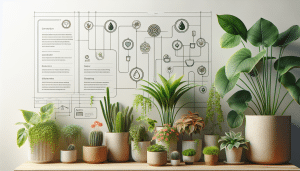
Modern indoor gardens allow anyone to experience the benefits of nature—no large backyard required. Whether in an apartment or a house, vertical planters, container gardens, and hydroponic systems enable plant enthusiasts to maximize even limited space. Incorporating smart garden systems or compact shelving helps maintain order while amplifying the vibrancy of living greenery. Cultivating a collection of easy-care species such as pothos, snake plant, or succulents suits those looking for low-maintenance beauty.
Research has linked indoor greenery to improved focus, reduced stress, and increased feelings of relaxation. When you create inviting, plant-filled corners, you nurture well-being while expressing personal style. Some garden designs go a step further, using edible herbs and greens, which serve both practical and decorative roles in the home. Indoor gardens thus foster a holistic connection between home, health, and happiness. (Source: https://www.ncbi.nlm.nih.gov/pmc/articles/PMC4419447/)
Choosing the Right Plants for Your Lifestyle
One of the joys of indoor gardening is discovering which plants thrive under your care. The process begins with considering available light, watering routines, and your daily schedule. Hardy options such as the peace lily, cast iron plant, or ZZ plant cater to those who want greenery without demanding upkeep. These species are forgiving, adapting easily if life gets busy or if you occasionally skip a watering day.
Edible indoor plants—like fresh basil, mint, or cherry tomatoes—bring added function to your greenery. By growing your own culinary herbs, you ensure a steady supply of flavor for home-cooked meals while enjoying the visual perks of leafy, fragrant foliage. Small planters placed along windowsills or counters can transform kitchens into thriving mini-gardens, offering nutrition on demand.
For enthusiasts eager to experiment, there is a wide range of air-purifying varieties and flowering species suited for indoor settings. Orchids and bromeliads deliver beautiful blooms, while spider plants or ferns help clean the air. Each selection adds a unique dimension to the room’s design, so choosing a blend of textures and heights allows your home garden to become a dynamic, ever-changing landscape. (Source: https://extension.umn.edu/houseplants)
Mastering Light, Water, and Soil Indoors
Good lighting is the foundation of any successful indoor garden. Natural sunlight encourages strong growth, so placing plants near windows or in well-lit rooms supports their needs. When direct light is limited, LED grow lights can step in—these mimic natural summer daylight and help maintain healthy foliage all year. For many indoor leafy species, even filtered or indirect sunlight is often enough.
Watering varies from species to species. Some, like succulents and cacti, thrive with minimal watering, while others need moist soil to flourish. Learning the basics of soil moisture—testing with a finger or using a moisture meter—offers simple ways to ensure you don’t overwater or underwater your plants. It’s often better to water deeply on a less frequent basis, allowing roots to stay strong and healthy.
Soil selection is a crucial, often overlooked, part of indoor gardening. Specialty potting mixes enriched with organic matter or perlite help retain moisture and encourage root development. Choosing the right container with proper drainage ensures that plants don’t get waterlogged—one of the more common issues in indoor gardens. Optimizing these simple factors—light, water, soil—means plants can flourish with little stress, giving you more time to appreciate their growth. (Source: https://hgic.clemson.edu/factsheet/growing-plants-indoors/)
Creative Design Solutions for Every Space
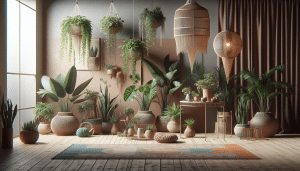
Indoor gardening is as much about creativity as it is about horticulture. Vertical gardens transform empty walls into lush displays. Hanging baskets and macramé holders let foliage drape at eye level, while multipurpose storage furniture can be repurposed as plant stands. Using mirrors and glass accents helps distribute sunlight and visually expand green spaces in compact homes.
Design trends favor groupings—clusters of containers in various heights and shapes make living collections feel curated. Even corner shelving or bookcases often double as plant displays, supporting a layered effect. Playing with texture and foliage color, like combining silvery sage with glossy green leaves, draws the eye and brings personality to your living area, bedroom, or kitchen.
Beyond aesthetics, creative placement ensures plants get the light and care they require. Trailing plants placed on high shelves tumble gracefully downward, while sturdy pots on the floor anchor the design. Compact homes benefit from stacking planters or tiered stands. Each space is unique, offering endless opportunity to design gardens that reflect both personal taste and practical function. (Source: https://www.rhs.org.uk/plants/types/houseplants)
Everyday Care and Common Indoor Garden Challenges
Keeping an indoor garden healthy often means creating habits that fit your daily routine. Checking for wilting leaves, droopy stems, or slow growth gives early hints of problems. Even in organized homes, inconsistent temperature and dry winter air can stress sensitive species. Regular pruning encourages bushier growth and helps keep your home tidy.
Pest management is a top concern. Common indoor offenders like spider mites or aphids can usually be controlled with gentle wipes or a spritz of soapy water. Ensuring your plants aren’t overcrowded promotes air circulation and deters unwanted bugs. Non-toxic controls are available for those who prefer organic approaches to garden health.
Another common challenge is overwatering, a leading cause of declining foliage. Most indoor plants prefer drying out between waterings. Setting reminders, using moisture meters, or even grouping plants by water needs can simplify care routines. Patience is essential; plant health improves over time, rewarding steady attention with thriving greenery and increased enjoyment of your living space. (Source: https://extension.psu.edu/troubleshooting-indoor-plants)
Fun Additions: Indoor Edible Gardens and Air Purifiers
Year-round herb gardens or small-scale vegetable patches let you harvest fresh flavors without stepping outside. Windowsill gardens bursting with basil, cilantro, or oregano make meal prep more exciting. Many modern homes use hydroponic kits that simplify setup and maintenance, even for beginners. It’s an easy way to introduce children to plant care while supplementing household nutrition.
Some plants pull double duty—filtering indoor air while adding natural beauty. English ivy, peace lilies, and spider plants are especially popular for their air-purifying qualities. They trap pollutants and volatile compounds, creating a safer atmosphere at home. Pairing visually stunning varieties with those offering functional benefits can make your indoor garden a vital part of your wellness routine. (Source: https://www.nasa.gov/wp-content/uploads/2015/06/house_plant_report.pdf)
Urban gardeners often experiment with microgreens or sprouting kits for quick, nutritious additions to dishes. These greens grow rapidly—in days rather than weeks—and require minimal soil or tools. Small-space innovations have made it possible to enjoy fresh produce and clean air, even above the busiest city streets. The benefits expand beyond the kitchen, touching every corner of a healthy home.
References
1. U.S. Environmental Protection Agency. (n.d.). The Inside Story: A Guide to Indoor Air Quality. Retrieved from https://www.epa.gov/indoor-air-quality-iaq/inside-story-guide-indoor-air-quality
2. Bringslimark, T., Hartig, T., & Patil, G. G. (2009). The psychological benefits of indoor plants: A critical review of the experimental literature. Retrieved from https://www.ncbi.nlm.nih.gov/pmc/articles/PMC4419447/
3. University of Minnesota Extension. (n.d.). Houseplants. Retrieved from https://extension.umn.edu/houseplants
4. Clemson University Cooperative Extension. (n.d.). Growing Plants Indoors. Retrieved from https://hgic.clemson.edu/factsheet/growing-plants-indoors/
5. Royal Horticultural Society. (n.d.). Types of Houseplants. Retrieved from https://www.rhs.org.uk/plants/types/houseplants
6. NASA. (n.d.). Interior Landscape Plants for Indoor Air Pollution Abatement. Retrieved from https://www.nasa.gov/wp-content/uploads/2015/06/house_plant_report.pdf

 You Could Save With These Home Energy Upgrades