Gardening Techniques That Maximize Seasonal Growth
Julian Novak September 30, 2025
Seasonal gardening is no longer just about planting at the right time—it’s about using smart, efficient gardening techniques that maximize seasonal growth. With climate change shifting weather patterns and gardeners increasingly looking for ways to extend growing seasons, this topic has become one of the hottest discussions in garden communities and agricultural research. Whether you’re a backyard gardener or managing larger plots, understanding how to optimize growth during key seasonal windows can make the difference between average yields and thriving, resilient harvests.
This guide explores emerging techniques, scientific insights, and practical steps you can take to make seasonal gardening more productive and sustainable.
Why Seasonal Growth Matters More Than Ever
Gardening has always been tied to the rhythm of the seasons. However, today’s gardeners face new challenges and opportunities:
- Unpredictable weather: Shifts in rainfall and temperature make it harder to rely on traditional planting calendars.
- Sustainable food production: With food prices rising, more households are using gardens to supplement diets, making seasonal efficiency a priority.
- Extended growing seasons: Modern tools and techniques now allow gardeners to stretch growth periods earlier in spring and later into fall.
Maximizing seasonal growth means understanding how plants respond to temperature, light, soil conditions, and water availability—and then applying the right strategies to give them what they need at the right time.
Key Gardening Techniques That Maximize Seasonal Growth
1. Succession Planting for Continuous Harvests
One of the most effective methods for maximizing seasonal output is succession planting—staggering plantings of the same crop over time. Instead of planting all lettuce seeds in early spring, for example, sow small batches every 2–3 weeks. This keeps your harvest steady rather than overwhelming at once.
Tips for succession planting:
- Use quick-maturing crops like radishes, lettuce, and green beans.
- Track your planting schedule with a calendar to avoid overlap.
- Rotate crops in the same bed to maintain soil health.
2. Using Season Extension Tools
A rising trend among gardeners is the use of season extension tools to get more out of cooler months. These include:
- Cold frames: Mini greenhouses made of wood and glass that trap warmth.
- Row covers: Lightweight fabrics that protect plants from frost and pests.
- Low tunnels: Plastic-covered hoops that raise temperatures slightly for tender crops.
These simple tools help maximize seasonal growth by giving plants protection against early frost in fall or unexpected cold spells in spring.
3. Soil Health and Seasonal Nutrition
Healthy soil is the foundation of strong, productive gardens. Seasonal gardening requires adapting soil nutrition to plant cycles. For example:
- Spring: Add compost and nitrogen-rich amendments for leafy growth.
- Summer: Supplement with potassium for fruiting plants like tomatoes and peppers.
- Fall: Use cover crops to return nutrients and prepare soil for next season.
Adding organic matter regularly improves soil structure, boosts water retention, and ensures consistent yields throughout the growing season.
4. Climate-Smart Gardening Techniques
An emerging trend is climate-smart gardening, which adapts techniques to shifting weather patterns. This approach is gaining traction as gardeners seek to reduce waste and improve resilience.
Climate-smart practices include:
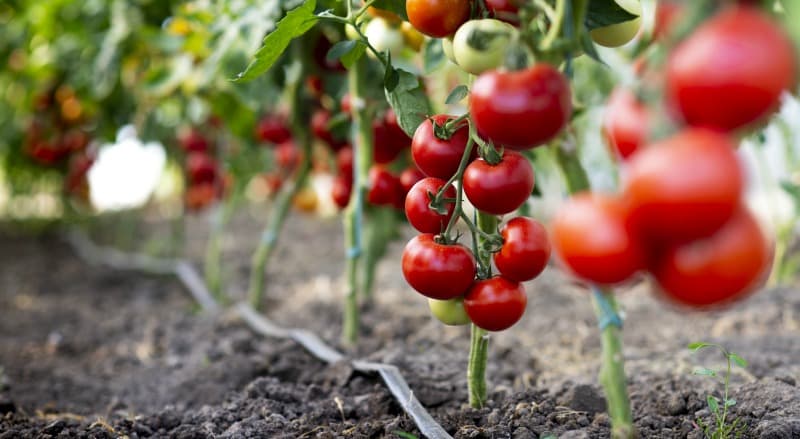
- Water-efficient irrigation systems such as drip lines.
- Planting drought-tolerant or heat-resistant varieties.
- Shifting planting dates based on local weather rather than traditional calendars.
Researchers suggest that microclimate management—like placing heat-loving crops near south-facing walls—can also help maximize seasonal growth in unpredictable conditions (USDA, 2023).
5. Intercropping and Companion Planting
Another effective method is intercropping, or growing multiple plants together to maximize space and mutual benefits. For instance, planting corn, beans, and squash (the “Three Sisters” method) supports soil health and reduces pest pressure.
Companion planting enhances seasonal gardening by ensuring:
- Faster ground coverage to retain soil moisture.
- Reduced weed competition.
- Natural pest control through plant pairings (e.g., basil with tomatoes).
6. Leveraging Technology in the Garden
Tech-enabled gardening is a hot trend in 2025. Gardeners now have access to smart irrigation systems, soil sensors, and mobile apps that help track planting times and predict local frost dates.
Examples of garden tech supporting seasonal growth:
- Soil moisture sensors that prevent over- or under-watering.
- Frost alert apps that notify you of sudden temperature drops.
- AI-powered garden planners that suggest crop rotations and planting times.
These innovations reduce guesswork and help optimize each growing season with data-backed decisions.
7. Crop Rotation for Sustainable Yields
Long-term seasonal success also depends on crop rotation. Planting the same crop in the same soil season after season depletes nutrients and invites pests. Instead, rotate plant families yearly to break disease cycles and maintain fertility.
Example rotation cycle:
- Legumes (peas, beans) → add nitrogen.
- Leafy greens (lettuce, spinach) → use nitrogen.
- Fruiting crops (tomatoes, peppers) → benefit from previous soil balance.
- Root vegetables (carrots, beets) → thrive in loosened soil.
Emerging Trends in Seasonal Gardening for 2025
- Regenerative gardening practices – More gardeners are turning to methods that restore soil and biodiversity, echoing larger agricultural trends.
- Edible landscapes – Blending seasonal crops into ornamental spaces makes gardens both beautiful and productive.
- Indoor-outdoor hybrids – With grow lights and hydroponics, gardeners start seeds indoors earlier and transition them outside for extended seasons.
- Community-driven planting calendars – Localized online communities are sharing real-time planting and harvesting advice, adjusting traditional gardening to hyper-local climates.
Practical Guide: How to Start Maximizing Seasonal Growth
For those ready to begin, here’s a simple framework:
- Assess your local climate – Note frost dates, rainfall, and average seasonal temperatures.
- Plan your planting calendar – Build in succession plantings and crop rotations.
- Invest in soil health – Add compost, mulch, and amendments matched to seasonal needs.
- Use season extenders – Set up row covers, cold frames, or low tunnels.
- Incorporate smart tech – Install soil sensors or use apps to monitor growth cycles.
- Track and adjust – Keep a gardening journal to record outcomes and refine strategies yearly.
Conclusion
Gardening techniques that maximize seasonal growth are no longer just for experts—they’re becoming essential knowledge for anyone wanting resilient, productive gardens in changing climates. From succession planting and soil health management to leveraging technology and adopting climate-smart practices, these strategies help gardeners make the most of every growing season.
As 2025 trends continue to shift toward sustainability, efficiency, and innovation, maximizing seasonal growth isn’t just about more food—it’s about smarter, more adaptive gardening. By applying these techniques, you’ll not only increase yields but also build a more resilient garden that thrives year after year.
References
- United States Department of Agriculture. (2023). Climate-Smart Agriculture and Gardening Practices. Available at: https://www.usda.gov (Accessed: 30 September 2025)
- Penn State Extension. (2024). Succession Planting for Extended Harvests. Available at: https://extension.psu.edu (Accessed: 30 September 2025)
- University of Minnesota Extension. (2024). Season Extension: Cold Frames, Row Covers, and High Tunnels. Available at: https://extension.umn.edu (Accessed: 30 September 2025)

 Wellness Practices That Support Mental and Physical Health