Gardening Techniques That Support Sustainable Growth
Julian Novak September 26, 2025
Sustainable gardening has moved from being a niche interest to a mainstream movement. As climate change, resource scarcity, and biodiversity loss continue to dominate headlines, more homeowners, urban dwellers, and even large-scale agricultural projects are seeking gardening techniques that support sustainable growth. This shift is not only about cultivating plants but also about building resilient systems that conserve water, enrich soil health, and reduce environmental impact.
In 2025, the conversation around sustainable gardening has expanded to include innovative tools, climate-adaptive strategies, and community-driven initiatives. From regenerative practices to smart technology integration, the landscape of gardening is evolving quickly. This article explores the latest trends and practical techniques that gardeners can adopt to make their green spaces thrive sustainably.
Why Sustainable Gardening Matters Now
The urgency for sustainable gardening techniques is driven by three key factors:
- Climate instability – Unpredictable weather patterns make traditional gardening less reliable. Techniques that conserve resources and build soil resilience are essential.
- Urbanization – As more people move to cities, limited outdoor space requires efficient gardening solutions that still prioritize sustainability.
- Biodiversity decline – Gardens that support pollinators, soil organisms, and diverse plant life help restore ecological balance.
These challenges have created opportunities for gardeners to adapt and innovate. Sustainable growth in gardening isn’t just about keeping plants alive—it’s about creating systems that thrive long term.
Emerging Trends in Sustainable Gardening
1. Regenerative Gardening Practices
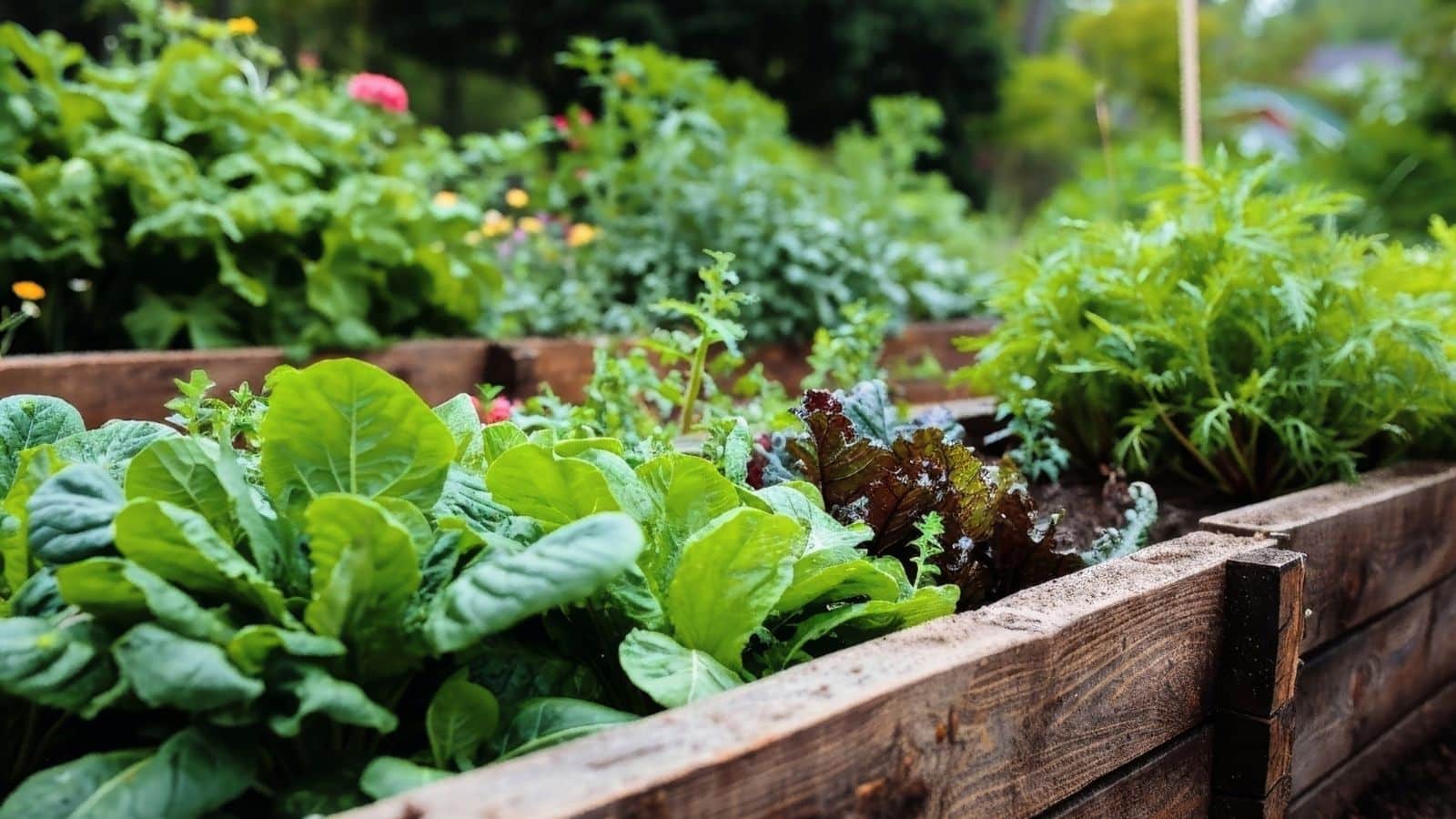
One of the hottest trends in sustainable gardening is regenerative gardening, which goes beyond “do no harm” to actively restore ecosystems.
Key practices include:
- No-till gardening – Minimizes soil disturbance, preserving microbial life and preventing erosion.
- Cover cropping – Using plants like clover or ryegrass to add nutrients back into the soil.
- Composting and vermiculture – Recycling organic waste into nutrient-rich soil amendments.
Unlike conventional gardening, regenerative practices focus on building soil health as the foundation for sustainable growth. According to the Rodale Institute, regenerative practices can increase soil carbon sequestration, directly helping mitigate climate change (Rodale Institute, 2023).
2. Water-Smart Gardening
With droughts becoming more frequent, water efficiency is a critical part of modern gardening. Techniques that support sustainable growth include:
- Drip irrigation systems that deliver water directly to plant roots, minimizing waste.
- Rainwater harvesting through barrels and underground storage systems.
- Drought-tolerant plants bred to thrive in dry climates.
- Mulching to retain soil moisture and regulate temperature.
Water-smart gardening not only conserves resources but also reduces utility costs for homeowners.
3. Climate-Resilient Plant Selection
Another growing trend is choosing plants that can adapt to changing weather conditions. Gardeners are turning to:
- Native plants that are naturally adapted to local climates and require less maintenance.
- Perennial vegetables such as asparagus and rhubarb, which reduce the need for replanting and support soil health.
- Pollinator-friendly species like lavender and echinacea that support bees and butterflies.
This approach ensures long-term sustainability while protecting biodiversity.
4. Vertical and Urban Gardening
For city dwellers with limited space, vertical gardening is becoming a practical solution. Techniques include:
- Living walls with modular planting systems.
- Hydroponic towers that grow leafy greens indoors without soil.
- Balcony and rooftop gardens that make use of otherwise unused space.
Vertical systems maximize productivity in small areas while reducing the urban heat island effect.
5. Smart Gardening Technology
Technology is increasingly being used to support sustainable gardening growth. Tools like AI-powered sensors, smart irrigation systems, and app-based plant monitors are helping gardeners optimize resources.
Examples include:
- Soil moisture sensors that prevent overwatering.
- Smart lighting systems for indoor gardens.
- Mobile apps that track plant health and provide tailored advice.
By combining traditional knowledge with modern tools, gardeners can improve efficiency and sustainability.
6. Community and Shared Gardening
Beyond individual gardens, community-driven projects are playing a bigger role in sustainability. Community gardens and cooperative farms are on the rise, particularly in urban neighborhoods where access to fresh produce is limited.
Benefits include:
- Strengthening food security.
- Promoting social connections.
- Sharing resources like compost bins, tools, and seeds.
This trend emphasizes that sustainable growth isn’t just an individual pursuit but a collective responsibility.
Practical Guide: How to Apply Gardening Techniques That Support Sustainable Growth
To make this guide actionable, here are practical steps any gardener can take today:
1: Build Healthy Soil
- Start a compost bin to recycle food scraps and garden waste.
- Avoid chemical fertilizers; instead, use organic alternatives.
- Rotate crops each season to maintain soil nutrients.
2: Conserve Water
- Install a drip irrigation system.
- Collect rainwater in barrels.
- Apply mulch around plants to reduce evaporation.
3: Choose the Right Plants
- Prioritize native and drought-resistant species.
- Incorporate pollinator-friendly flowers.
- Add perennials to reduce replanting needs.
4: Rethink Garden Design
- Use vertical structures like trellises for climbing plants.
- Create layered planting zones to maximize space.
- Incorporate edible landscaping for dual-purpose design.
Step 5: Use Technology Wisely
- Try a soil sensor to track moisture levels.
- Use apps to schedule watering or identify plant diseases.
- Monitor energy use in indoor gardening setups.
6: Join or Start a Community Garden
- Look for local organizations supporting shared spaces.
- Share resources with neighbors to reduce costs.
- Grow culturally diverse crops that reflect community needs.
The Future of Sustainable Gardening
The future of gardening techniques that support sustainable growth is likely to be shaped by innovation and collaboration. We can expect to see:
- Greater adoption of climate-adaptive seeds bred for resilience.
- Expansion of AI-powered garden assistants that make sustainable gardening easier for beginners.
- More emphasis on circular systems, where waste from one part of the garden becomes input for another.
Ultimately, sustainable gardening is not just about growing food or flowers—it’s about creating systems that regenerate themselves while supporting broader ecological health.
Conclusion
As gardening trends evolve in 2025, sustainability is no longer optional—it is essential. Techniques such as regenerative practices, water-smart methods, climate-resilient plant selection, vertical gardening, smart technology, and community-driven projects are shaping the way we think about growth.
Adopting gardening techniques that support sustainable growth benefits not only individual gardeners but also the wider environment. By building healthier soil, conserving water, choosing climate-appropriate plants, rethinking design, leveraging technology, and embracing community, we can create gardens that thrive today while leaving a healthier planet for future generations.
The rise of sustainable gardening demonstrates a growing awareness that every garden—whether a small balcony setup or a community farm—can play a role in addressing global challenges. With practical steps and emerging innovations, the path toward greener, more resilient gardens is both achievable and rewarding.
References
- Rodale Institute. (2023). Regenerative organic agriculture and climate change: A down-to-earth solution to global warming. Available at: https://rodaleinstitute.org (Accessed: 26 September 2025)
- United States Environmental Protection Agency (EPA). (2024). Water-efficient gardening tips. Available at: https://www.epa.gov (Accessed: 26 September 2025)
- National Wildlife Federation. (2023). Native plants for wildlife habitat and conservation landscaping. Available at: https://www.nwf.org (Accessed: 26 September 2025)

 Wellness Routines That Encourage Mindful Living