Interior Design Hacks That Make Homes Feel Spacious
Julian Novak September 22, 2025
In today’s fast-paced world, homes are becoming smaller, especially in urban centers where square footage comes at a premium. Rising real estate costs and the shift toward compact, sustainable living spaces have made homeowners and renters more aware of how every inch is used. The good news? Clever interior design hacks that make homes feel spacious can transform even the tiniest apartment into a visually larger, more functional sanctuary.
In 2025, design trends are not only about maximizing square footage but also about enhancing comfort, well-being, and adaptability. Whether you’re in a studio apartment, a family home, or a hybrid live-work space, these strategies combine aesthetics with practicality to help you live big, even in small spaces.
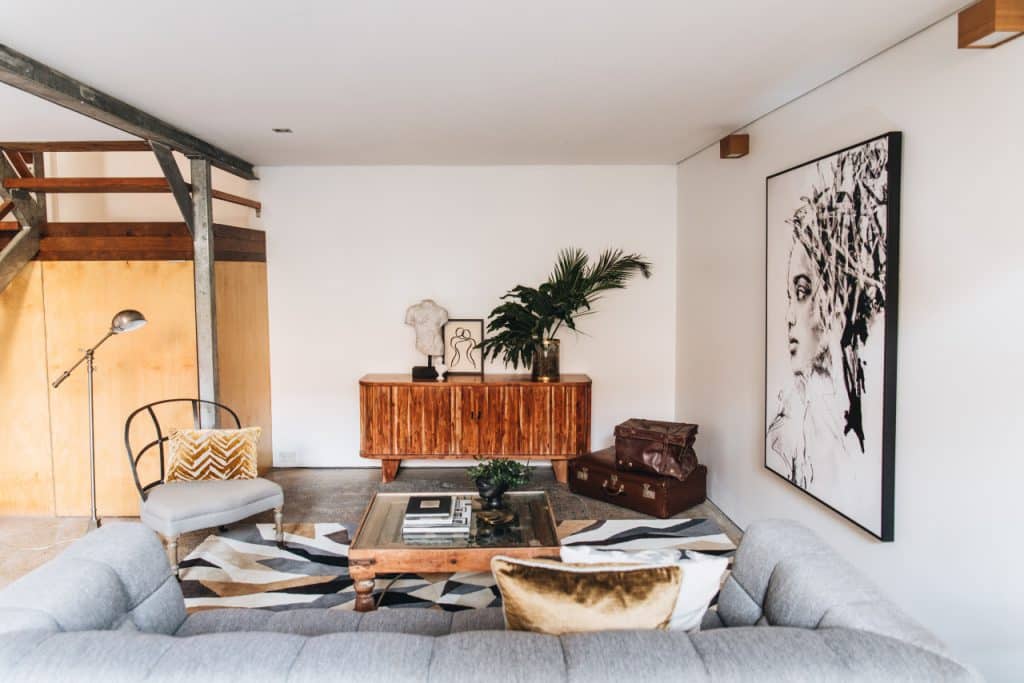
Why Creating Space Matters
Space is more than a design challenge—it’s psychological. A cluttered or cramped environment can elevate stress, reduce productivity, and even affect mood. Studies in environmental psychology confirm that crowding can lead to higher anxiety and reduced feelings of control over one’s environment (Evans & Wener, 2007). On the other hand, open, well-designed interiors can encourage relaxation, creativity, and better daily routines.
The rise of remote and hybrid work has also made this topic more relevant. A living room might need to function as an office by day and a family hub by night. For many, space efficiency now plays a role in financial savings, mental clarity, and lifestyle satisfaction.
Interior Design Hacks That Make Homes Feel Spacious
1. Multi-Functional and Modular Furniture
Furniture that adapts is no longer just a trend—it’s a necessity in 2025. Modular and multi-functional designs maximize use without sacrificing style.
- Convertible sofas and wall beds create flexible sleeping areas.
- Expandable dining tables transition from everyday use to hosting.
- Storage-integrated ottomans and benches hide clutter seamlessly.
Modular systems also make homes adaptable as lifestyles evolve, from young professionals working remotely to growing families needing more storage.
2. Mirrors and Reflective Surfaces
Strategic use of reflective elements can instantly change how a room feels.
- Oversized wall mirrors extend sightlines, giving depth to narrow spaces.
- Glossy cabinetry and polished metal fixtures bounce natural light around.
- Glass partitions divide areas without creating a boxed-in effect.
This design hack is affordable yet highly effective, especially for smaller apartments where natural light is limited.
3. Vertical Thinking: Going Upward
Floor space may be limited, but height is often underused. In 2025, vertical design has become one of the most effective hacks.
- Tall shelving systems offer extra storage without taking up width.
- Wall-mounted desks and foldable tables create flexible work areas.
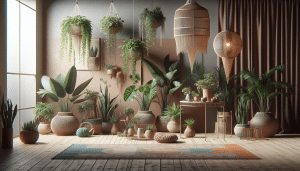
- Vertical gardens bring greenery indoors without occupying the floor.
This strategy not only maximizes storage but also creates visual drama, making ceilings appear higher and rooms more open.
4. Color and Light for Spacious Illusions
Color and lighting influence how we perceive size. Research shows that lighter hues make walls recede, while strategic lighting reduces shadows that shrink rooms (Kwallek et al., 1996).
- Neutral color palettes—white, soft gray, and beige—form a base of openness.
- Accent lighting in corners removes dark voids that make rooms feel small.
- Smart lighting systems adjust brightness and warmth to match daily rhythms.
Layered lighting, combining ambient, task, and accent light, is a 2025 must-have for multifunctional homes.
5. Smart Partitions Instead of Walls
Open layouts remain popular, but people also crave flexibility. The solution is smart partitions that divide without closing in.
- Sliding glass doors create adaptable zones.
- Wooden slats and fabric curtains provide texture while letting light flow.
- Transparent shelving acts as both a divider and storage.
This hack allows for fluid transitions between living, dining, and working areas—ideal for hybrid lifestyles.
6. Technology as a Space-Saver
Technology-driven design is shaping interiors in 2025. Smart devices not only manage energy but also reduce clutter.
- Wireless charging surfaces eliminate cables.
- Compact, multifunctional appliances suit smaller kitchens.
- AI-powered planning tools let homeowners test layouts before investing.
Even furniture is going tech-friendly—beds with built-in speakers or tables with integrated charging stations are becoming mainstream.
7. Warm Minimalism: Less, But Meaningful
Minimalism has matured into what designers call “warm minimalism.” It’s not about stripping everything down to basics but curating intentionally.
- Hidden storage solutions reduce visible clutter.
- Textures like wood and linen soften sleek lines.
- Personal but purposeful décor keeps rooms open yet inviting.
This trend reflects a balance between space efficiency and emotional connection to the home.
Extra Design Strategies for 2025
Beyond the basics, these hacks are gaining traction:
- Furniture zoning – Arranging pieces to define functional zones without walls.
- Floating furniture – Sofas or cabinets lifted off the floor make rooms feel lighter.
- Neutral flooring continuity – Using one type of flooring across rooms creates seamless flow.
- Digital artwork screens – Instead of bulky décor, rotating digital art frames save space while keeping interiors fresh.
Practical Steps to Apply These Hacks
If you want to apply these ideas immediately, start small:
- Declutter first – Remove items you don’t use at least once a month.
- Upgrade one piece of furniture – Choose a sofa, bed, or table with hidden storage.
- Paint with purpose – Opt for light tones to make walls appear farther apart.
- Rearrange strategically – Pull furniture slightly away from walls to create breathing room.
- Invest in lighting – Even one smart lamp can change the atmosphere of a small space.
The Big Picture
The desire for larger-feeling homes is not about size—it’s about comfort, flexibility, and well-being. With modular furniture, vertical storage, reflective surfaces, and smart technology, you can make even compact living areas feel spacious.
Ultimately, these interior design hacks that make homes feel spacious reflect a bigger trend: creating homes that adapt to modern lifestyles rather than forcing us to adapt to our homes. In 2025, the smartest design is the one that makes your home feel bigger without adding square footage.
References
- Evans, G. W., & Wener, R. E. (2007). Crowding and personal space invasion on the train: Compliance, responsibility, and stress. Available at: https://www.sciencedirect.com (Accessed: 22 September 2025)
- Global Wellness Institute. (2024). Sustainable interior design trends. Available at: https://globalwellnessinstitute.org (Accessed: 22 September 2025)
- Kwallek, N., Lewis, C. M., & Robbins, A. S. (1996). Effects of office interior color on workers’ mood and productivity. Available at: https://journals.sagepub.com (Accessed: 22 September 2025)

 Fitness Practices That Support Healthy Aging