Interior Design Ideas That Enhance Comfort
Julian Novak September 23, 2025
Creating a home that feels like a retreat has become more important than ever. With the rise of remote work and increased time spent indoors, homeowners are turning to interior design ideas that enhance comfort at home. From biophilic design to multifunctional furniture, today’s trends focus on blending style, wellness, and practicality. This article explores the most relevant comfort-focused design trends of 2024 and how you can apply them to your own living space.
Why Comfort-Driven Design Is on the Rise
The pandemic shifted priorities in home design, making comfort and well-being central. According to the American Society of Interior Designers (ASID), homeowners are now prioritizing cozy, adaptable spaces that support both relaxation and productivity (ASID 2023).
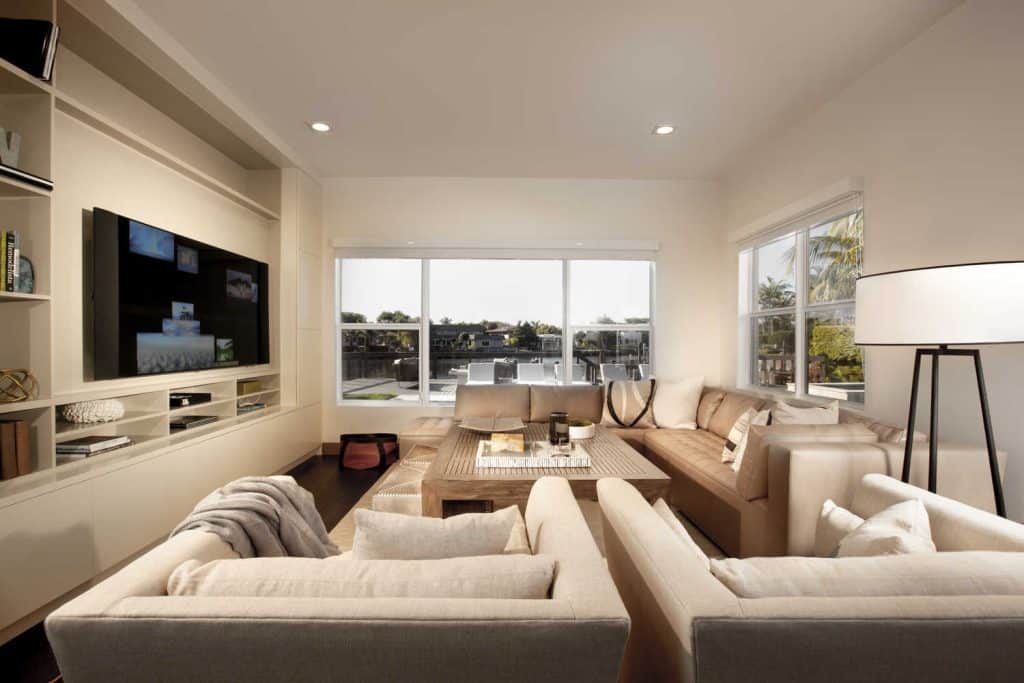
The modern home is no longer just a place to eat and sleep—it’s a workspace, a gym, a social hub, and a wellness retreat all in one. Comfort-driven design acknowledges this shift by balancing aesthetics with function. It’s not simply about plush sofas or oversized armchairs. True comfort comes from a combination of factors: lighting, acoustics, color, temperature, air quality, and even technology integration.
Trend 1: Biophilic Design – Bringing Nature Indoors
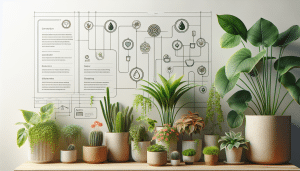
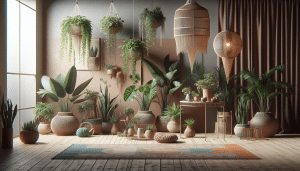
One of the strongest interior design trends is biophilic design, which integrates natural elements into the home. This approach improves mental health, lowers stress, and enhances air quality.
Practical ways to incorporate biophilic design include:
- Adding indoor plants such as snake plants, fiddle leaf figs, or hanging pothos
- Using natural materials like stone countertops, bamboo flooring, or reclaimed wood furniture
- Maximizing natural light with larger windows, skylights, or glass doors
- Creating “green corners” with vertical gardens or moss walls
A study published in the Journal of Environmental Psychology found that exposure to natural elements indoors increases relaxation and cognitive function (Kaplan 2020). Many companies have embraced this trend in office design, and homeowners are now adopting the same strategies to improve personal well-being.
Trend 2: Soft Textures and Layered Fabrics
Comfort in design is tactile as much as visual. The popularity of layered fabrics—plush rugs, boucle chairs, and velvet cushions—creates cozy spaces that encourage relaxation. Textiles also improve the acoustics of a room, softening noise and creating a more peaceful environment.
Practical tips for layering textures:
- Place a wool or faux-fur throw over a leather sofa for both warmth and contrast
- Mix linen curtains with woven blinds to diffuse light beautifully
- Use oversized rugs to anchor open-plan spaces and create distinct “zones”
- Add floor cushions and poufs for casual seating that doubles as décor
This trend is especially impactful in minimalist spaces, where layers of fabric prevent the room from feeling sterile or overly cold.
Trend 3: Wellness-Centered Lighting
Lighting design is no longer just functional—it’s tied to health and well-being. The trend of human-centric lighting adjusts brightness and color temperature to support circadian rhythms.
Modern lighting strategies include:
- Warm, dimmable lights in bedrooms to promote relaxation
- Bright, natural white light in offices or kitchens to improve focus
- Smart lighting systems that automatically shift according to the time of day
Research from the Illuminating Engineering Society shows that circadian lighting can improve sleep quality, mood, and overall health (IES 2022). Homeowners are investing in tunable LED systems that mimic natural daylight patterns, reducing fatigue and supporting productivity.
Trend 4: Multipurpose Spaces and Modular Furniture
As more people work from home, rooms now serve multiple purposes. Flexible layouts with modular furniture allow spaces to transform throughout the day.
Examples include:
- Murphy beds that turn offices into guest rooms at night
- Expandable dining tables that function as both workspace and entertaining areas
- Modular sofas that can be rearranged for movie nights, family gatherings, or solo lounging
- Rolling storage units that keep clutter hidden but accessible
This trend emphasizes adaptability. A living room might become a yoga studio in the morning, an office in the afternoon, and a family gathering space at night—all without sacrificing comfort.
Trend 5: Earthy, Calming Color Palettes
Color psychology plays a major role in comfort. Current design favors warm neutrals and earthy tones such as terracotta, olive green, sandy beige, and muted browns.
Why these colors work:
- Beige and off-white create calm, spa-like bedrooms
- Muted greens promote focus and connection to nature in home offices
- Terracotta and deep browns add warmth to communal spaces like dining rooms
The Global Aesthetic Center (AkzoNobel) reported that earthy palettes dominated 2023 paint trends, with homeowners seeking grounding, nature-inspired shades (AkzoNobel 2023). These tones are timeless, versatile, and pair beautifully with natural materials like wood and stone.
Trend 6: Acoustic Comfort in Open Spaces
Open-concept layouts are popular but can feel noisy. Designers now emphasize acoustic comfort through smart material choices and room planning.
Strategies to improve sound control include:
- Installing acoustic panels that double as wall art
- Choosing upholstered furniture instead of hard, reflective surfaces
- Adding heavy curtains, layered rugs, and bookshelves to absorb sound
- Designing small “quiet corners” within open spaces for reading or meditation
These techniques not only reduce noise but also make rooms feel more intimate and restful.
Trend 7: Tech-Integrated Comfort
Smart home technology is increasingly used to enhance comfort. While once focused on convenience, new innovations now prioritize wellness and atmosphere.
Examples of comfort-driven tech:
- Voice-activated thermostats that keep your home at the perfect temperature
- Air purifiers with HEPA filters that monitor and adjust indoor air quality
- Heated bathroom flooring controlled by an app
- Automated blinds that adjust according to sunlight levels
The combination of technology and design ensures homes remain both practical and relaxing.
Practical Tips for Bringing Comfort into Your Home
If you’re inspired to adopt these trends, start with simple, affordable changes before committing to larger renovations.
- Add greenery – Place low-maintenance plants in living areas for an instant mood boost.
- Change your bulbs – Switch to dimmable, warm-toned LEDs for evening relaxation.
- Introduce layers – Incorporate rugs, throws, and textured cushions to soften rooms.
- Experiment with paint – Repaint one wall in an earthy tone to test how color impacts comfort.
- Rearrange furniture – Create flexible layouts that support different activities throughout the day.
- Invest in small tech upgrades – Start with smart plugs, portable purifiers, or app-controlled lighting.
By gradually layering in these changes, you can transform your home into a sanctuary without overwhelming your budget or schedule.
Conclusion
The movement toward interior design ideas that enhance comfort at home reflects how our lifestyles have evolved. As homes now double as workplaces, gyms, and social spaces, comfort is no longer optional—it’s essential.
Whether through biophilic design, wellness lighting, earthy palettes, or modular furniture, the goal is the same: to create a space that supports well-being. The right design choices can reduce stress, improve sleep, boost productivity, and make everyday living more enjoyable.
Ultimately, the most comfortable home is one that balances aesthetics with functionality, ensuring every room feels both beautiful and livable.
References
- American Society of Interior Designers (ASID). (2023). 2023 Trends Outlook Report. Available at: https://www.asid.org (Accessed: 23 September 2023).
- Illuminating Engineering Society (IES). (2022). Lighting for Health and Wellbeing. Available at: https://www.ies.org (Accessed: 23 September 2023).
- AkzoNobel. (2023). Color of the Year and Trends 2023. Available at: https://www.akzonobel.com (Accessed: 23 September 2023).

 Fitness Plans That Support Healthy Aging