Interior Design Tips That Make Small Rooms Feel Spacious
Julian Novak September 17, 2025
Small spaces can often feel cramped and limiting, but with the right design strategies, they can be transformed into airy, functional, and stylish areas. Whether you’re living in an apartment, working with a small room in your home, or simply looking to maximize the space you have, there are several interior design tricks and trends that can help make a small room feel much larger. In this guide, we’ll explore the latest tips and techniques that will allow you to create an illusion of more space while maintaining style and functionality.
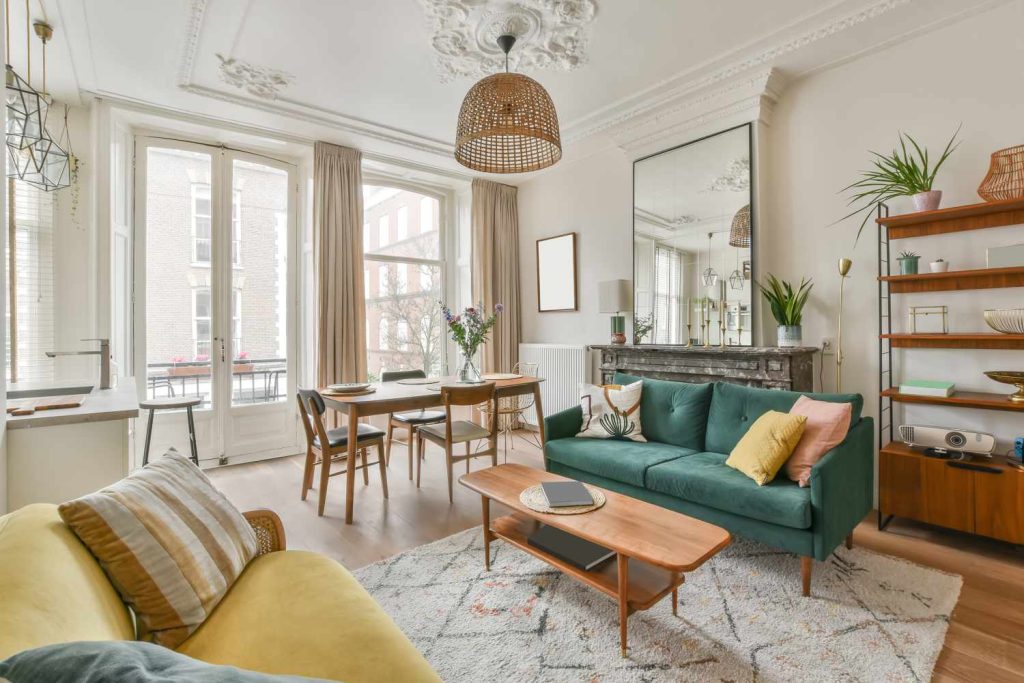
1. Use Light Colors to Open Up the Space
One of the easiest and most effective ways to make a small room feel larger is by using light colors. Light shades, such as soft whites, light grays, pastels, or beige, can reflect natural light and visually expand the space. Dark colors, on the other hand, can make a room feel more enclosed and smaller.
Tips for Using Light Colors:
- Walls: Opt for lighter hues for walls to create a sense of openness.
- Furniture: Choose light-colored furniture, such as neutral or pale wood pieces, to avoid overwhelming the space.
- Accent Details: While it’s great to use lighter tones, don’t be afraid to incorporate a few pops of darker colors for contrast, but keep them minimal.
2. Mirrors: A Simple Trick for Visual Expansion
Mirrors are one of the oldest tricks in the book for making a room look bigger. By reflecting both natural and artificial light, mirrors can amplify the perception of space. Consider large statement mirrors or a series of smaller ones to create the illusion of more room.
Where to Place Mirrors:
- Opposite Windows: Mirrors placed opposite windows will reflect natural light and brighten up the room.
- On Accent Walls: Hang mirrors on accent walls to enhance depth and visual appeal.
- On Doors or Cabinets: If space is tight, mirrored doors or cabinet faces can create the illusion of more space.
3. Opt for Multifunctional Furniture
Multifunctional furniture is essential in small rooms. Pieces that serve multiple purposes help to save space and reduce clutter. For example, a sofa that doubles as a bed, or a coffee table with built-in storage, can make your room more versatile without sacrificing style.
Ideas for Multifunctional Furniture:
- Storage Ottomans: A great option for hidden storage while doubling as extra seating or a footrest.
- Foldable Tables and Chairs: Look for foldable or stackable tables and chairs that can be easily stored away when not in use.
- Murphy Beds or Sofa Beds: These can help maximize a small bedroom by offering a sleeping space that folds away when not needed.
4. Incorporate Vertical Design Elements
When floor space is limited, it’s important to think vertically. Utilizing vertical space can help create a sense of height and make the room feel more spacious. Vertical shelving, tall cabinets, and even high-mounted artwork can draw the eye upwards, making the space feel less cramped.
Vertical Design Tips:
- Tall Shelving Units: Install shelves that reach towards the ceiling to store books or display items without taking up too much floor space.
- Hanging Curtains: Hang curtains higher than the window frame to create the illusion of taller walls.
- Vertical Patterns: Consider wallpapers or wall paint with vertical stripes to enhance the sense of height.
5. Embrace Open Shelving
Instead of bulky closed storage units, open shelving can make a room feel lighter and more airy. It can help to keep the space from feeling overcrowded while providing ample storage for decorative items, books, or everyday essentials. However, it’s essential to maintain order—clutter on open shelves can have the opposite effect.
Where to Incorporate Open Shelving:
- Kitchen: Install open shelving to display plates, glasses, and bowls.
- Living Room: Use open shelving for books, artwork, or plants to bring some life into the space.
- Bedroom: A floating shelf can work wonders as a nightstand alternative for a minimalist vibe.
6. Add Strategic Lighting for Depth
Lighting plays a critical role in enhancing the perception of space in small rooms. Well-placed lighting can help highlight specific areas of the room, creating depth and making the space feel larger. Layered lighting, with a combination of ambient, task, and accent lighting, can add dimension and help brighten the room without relying on large light fixtures.
Lighting Tips for Small Spaces:
- Use Recessed Lighting: Install recessed lighting into the ceiling to avoid taking up valuable space with bulky fixtures.
- Opt for Light Fixtures with a Low Profile: Choose low-profile or flush-mounted ceiling lights that won’t intrude into the room’s visual space.
- Table Lamps: Place table lamps on nightstands or side tables for added ambiance without taking up floor space.
7. Go Minimalist: Declutter for More Space
A cluttered room can quickly feel cramped and overwhelming. By embracing a minimalist approach, you can make your small room feel more open. This doesn’t mean sacrificing style, but rather being intentional with what you choose to keep in the space.
Tips for Decluttering:
- Limit Decorative Items: Keep decorative objects to a minimum to avoid overloading the room with unnecessary items.
- Smart Storage Solutions: Utilize hidden storage, such as storage beds or multi-functional furniture, to keep clutter out of sight.
- Simple Color Palettes: Stick to a cohesive color palette to keep the room from feeling chaotic.
8. Use Rugs to Define Spaces
In small rooms, especially in open-concept spaces, rugs can be used to define different areas and create the illusion of separate zones. A large rug can help anchor the room, while smaller rugs can visually break up the space into more manageable sections.
Rug Tips for Small Rooms:
- Choose One Large Rug: A single large rug can make a room feel more expansive and unified.
- Use Light-Patterned Rugs: Opt for light-colored or subtly patterned rugs that don’t overpower the room.
- Ensure Rugs Fit the Space: Avoid oversized rugs that make the room feel smaller; instead, choose a size that fits comfortably within the area.
Conclusion
Designing a small room to feel spacious is all about creating the right balance between functionality and aesthetic appeal. By incorporating these tips—using light colors, mirrors, multifunctional furniture, and smart design choices—you can transform any small room into an inviting and airy space. Experiment with these strategies, and soon you’ll find yourself enjoying a room that feels far more expansive than its actual size.
References
- Clutter-Free Home. (2022). How minimalist living transforms small spaces. Available at: https://www.clutterfreehome.com (Accessed: 17 September 2025)
- Crook, T. (2023). Maximizing vertical space: Design strategies for small rooms. Available at: https://www.architecturaldigest.com (Accessed: 17 September 2025)
- Jones, R. (2021). How light colors enhance the perception of space in interior design. Available at: https://www.housebeautiful.com (Accessed: 17 September 2025)

 The Role of Artificial Intelligence in Marketing