Surprising Benefits of Indoor Plants for You
Julian Novak October 22, 2025
Bringing greenery indoors offers more than just visual beauty—it can enhance air quality, boost mood, and support a healthy home environment. This guide explores the science behind indoor plants and shares practical ways to maximize their benefits in your living space.
Why Indoor Plants Matter in Home Environments
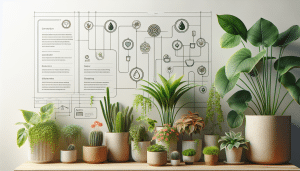
Indoor plants have become more than a design trend—they are a way to create a healthier, more vibrant home. Studies suggest that even a modest collection of houseplants can make a room feel more inviting and alive. When people choose to add living plants to their living rooms, kitchens, or home offices, the benefits often extend beyond aesthetics. Many varieties naturally purify the air, contribute to humidity regulation, and bring a sense of calm to daily routines. This combination of beauty and wellness has contributed to a surge in indoor gardening popularity.
One of the most talked-about qualities of indoor plants is their ability to filter airborne toxins. While research varies on which plants are most effective and under what conditions, species like peace lilies, snake plants, and spider plants are often cited as natural air purifiers. In addition to their filtration abilities, many houseplants release water vapor, helping to mediate dry indoor air. This means that, with thoughtful placement, houseplants can create a more balanced home environment. The process is subtle, yet it has a real impact on daily comfort and well-being, especially during winter months when heating systems tend to lower humidity.
The presence of greenery indoors is also associated with psychological and emotional benefits. A study by NASA popularized the idea that certain houseplants can absorb chemicals like benzene, formaldehyde, and ammonia, providing an added layer of reassurance to urban dwellers looking to refresh their spaces (https://ntrs.nasa.gov/citations/19930073077). For many, the act of caring for plants becomes a meditative ritual, offering moments of mindfulness and stress reduction. Homeowners who introduce indoor plants often report increased satisfaction with their surroundings. These advantages, both tangible and intangible, showcase why indoor plants have remained a central feature of healthy homes.
Air Purification: How Houseplants Support Cleaner Air
Improving indoor air quality is a subtle benefit of houseplants that often goes unnoticed. Through a natural process known as phytoremediation, certain plant species absorb and break down air pollutants. Snake plants, pothos, and spider plants are among the options reputed for their efficiency in filtering common indoor toxins. Formaldehyde, benzene, and toluene are just a few of the chemicals that these plants can help neutralize. Having a variety of such plants scattered around the home can potentially reduce harmful compounds, making the air feel fresher and cleaner, especially in areas prone to chemical exposure from cleaning supplies or new furnishings.
The houseplant effect on indoor air is most notable in tightly sealed, low-ventilation spaces. While plants alone may not replace the need for proper ventilation, their presence can supplement air filtration and contribute to an overall healthier environment. Research from several reputable institutes shows that spider plants and ferns are particularly effective at lowering levels of airborne toxins in controlled settings (https://www.epa.gov/indoor-air-quality-iaq/air-cleaners-and-air-filters-home). While real-world results can be less dramatic than laboratory studies suggest, the cumulative impact of multiple plants—in combination with good airflow—may contribute meaningfully to living conditions.
Many people wonder if houseplants can fully eliminate indoor air problems. Most experts recommend viewing plants as one part of a multi-pronged approach. Regular cleaning, controlled humidity, and adequate airflow remain crucial. However, the natural air filtration that occurs with healthy, well-watered plants can serve as a valuable complement to other health-promoting behaviors. This makes indoor gardening a practical and enjoyable strategy for those wanting to go beyond typical cleaning routines in the pursuit of a healthier home.
Boosting Mood and Productivity With Indoor Greenery
The psychological effects of greenery go well beyond aesthetics. Studies show that spending time in spaces filled with living plants can ease anxiety, promote relaxation, and foster a sense of connection to nature—even when indoors. This effect is often termed ‘biophilic design,’ a concept that aims to integrate natural elements into built environments. In practice, this might mean placing leafy plants by windows, arranging succulents on desk corners, or growing herbs in the kitchen. By making greenery part of daily life, people are able to tap into gentle mood-boosting benefits that elevate the experience of home.
Productivity, too, has been linked to the presence of houseplants. Office studies suggest that employees in plant-filled workspaces are not only happier, but also more focused and productive. Simple additions like a peace lily on a desk or a small fern near a work station can subtly increase alertness and creativity. Some learners also use greenery to create calmer, more inviting study environments. This is thought to be a result of increased oxygenation and reduced mental fatigue, as even brief interactions with plants can help break up periods of intense concentration.
Children and older adults may benefit from the presence of indoor plants as well. For children, tending to plants can nurture responsibility and curiosity, while for older adults, gardening can support cognitive function and combat feelings of isolation. The process of caring for living things has universal appeal—there’s a satisfaction that comes from watching a tiny seedling grow into a thriving, leafy friend. These tangible connections make indoor plants a strong addition to any wellness routine, supporting the concept of holistic home care.
Choosing the Right Indoor Plants for Your Space
While nearly any plant can thrive indoors with the right care, selecting the best ones for a specific environment is key. Light availability, temperature, and the amount of time a person can dedicate to plant care are major factors. Some popular low-maintenance choices include pothos, snake plant, and ZZ plant—each celebrated for resilience and adaptability. For those who want a splash of color, flowering varieties like African violets or peace lilies may appeal. Assessing the unique conditions of each room helps ensure that chosen plants not only survive, but flourish in their new homes.
Humidity requirements vary widely among houseplants. Tropical varieties, such as ferns and orchids, love high humidity and frequent misting. Drier climates indoors favor plants like succulents, cacti, and sansevierias, all of which prefer less moisture and brighter light. It helps to group plants with similar needs together, not only for easier care but also to enhance the humidity for those that crave extra moisture. Reading plant tags and consulting reputable gardening guides is a reliable approach to matching the right species to indoor conditions (https://www.gardeners.com/how-to/houseplant-care/5169.html).
Space constraints are common in modern homes, but many plants adapt well to small apartments or densely furnished rooms. Vertical gardens, wall planters, and hanging baskets are creative solutions to maximize greenery without requiring floor space. Miniature varieties and slow growers become favorites for shelves and windowsills. For those interested in edible gardening, growing culinary herbs indoors is both functional and decorative. With a little planning, even compact homes can become lively, plant-filled sanctuaries.
Practical Tips for Healthy Indoor Plant Care
The secret to healthy, thriving indoor plants lies in consistency and observation. Overwatering is a common issue—roots need oxygen as much as moisture. It’s best to let the soil dry slightly between waterings for most houseplants, paying attention to leaves for early signs of stress. Using pots with drainage holes helps prevent water from pooling at the roots. Regular dusting of leaves allows for optimal photosynthesis. With just a few minutes a week, basic plant care can go a long way in supporting long-term growth and vibrancy.
Fertilizer is another aspect of indoor plant care that can sometimes be overlooked. Most houseplants benefit from a diluted, balanced fertilizer during spring and summer, but too much can lead to salt build-up and weakened plants. Occasional repotting gives roots room to grow and refreshes depleted soil. Observing any changes in leaf color, shape, or vigor helps catch problems early, and consulting gardening resources can provide insight on plant-specific needs (https://extension.umn.edu/houseplants/indoor-plants).
Pest management indoors usually means keeping an eye out for tiny invaders like spider mites, aphids, or mealybugs. Isolation of new plants for a week or two can prevent infestations from spreading to a larger collection. Many natural solutions—such as wiping leaves with a mild soap solution or applying neem oil—are safe for most houseplants and for the home environment. Keeping plants healthy through regular attention is the most practical way to prevent many common problems from developing.
Integrating Plants Into Your Home Decor
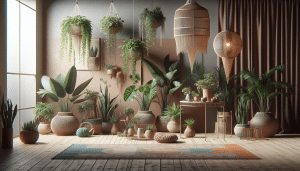
Interior decor with houseplants is about more than filling empty corners—it’s an opportunity to express personal style and influence the feel of a room. Grouping plants of different heights, textures, and shapes can create a vibrant living display. Large potted plants like fiddle leaf fig or monstera can become statement pieces, adding visual interest to a living room, while clusters of small succulents or air plants suit compact spaces or bedside tables. Matching plants to existing color schemes—by using decorative pots and planters—ensures cohesion with the room’s decor.
Lighting is as much a decorative consideration as a practical one. Window sills often become a home’s greenest spots thanks to ample sunlight, but with the right artificial lighting, even dimmer rooms can host thriving plant arrangements. Hanging planters, wall-mounted shelves, and terrariums add dimension to interiors and create dynamic visual layers. Collectors often rotate arrangements seasonally, experimenting with different combinations to keep things fresh and exciting. Integrating living plants can make a space more unique, warm, and comfortable for both residents and guests.
Beyond aesthetics, houseplants can help define spaces and guide movement through the home. Tall plants naturally draw the eye upward, making ceilings appear higher, while trailing vines soften hard edges and corners. Living screens—such as tightly grouped pots or vertical gardens—can create zones for privacy or separate open-plan areas. The possibilities are limited only by imagination and light, making indoor gardening accessible to anyone, regardless of space or design experience.
References
1. Wolverton, B.C., Johnson, A., & Bounds, K. (1989). Interior landscape plants for indoor air pollution abatement. NASA. Retrieved from https://ntrs.nasa.gov/citations/19930073077
2. Environmental Protection Agency. (n.d.). Air cleaners and air filters in the home. Retrieved from https://www.epa.gov/indoor-air-quality-iaq/air-cleaners-and-air-filters-home
3. University of Minnesota Extension. (n.d.). Indoor plants. Retrieved from https://extension.umn.edu/houseplants/indoor-plants
4. Gardeners Supply Company. (n.d.). Houseplant care guide. Retrieved from https://www.gardeners.com/how-to/houseplant-care/5169.html
5. University of Illinois Extension. (n.d.). Common houseplant insects & related pests. Retrieved from https://extension.illinois.edu/houseplants/pests.cfm
6. American Society for Horticultural Science. (n.d.). A review of the physiological effects of houseplants: A focus on air cleaning and health. Retrieved from https://journals.ashs.org/horttech/view/journals/horttech/17/2/article-p211.xml

 Gut Health Secrets You Might Not Expect